
ARTIFICIAL INTELLIGENCE : is it reshaping our future?
Artificial intelligence

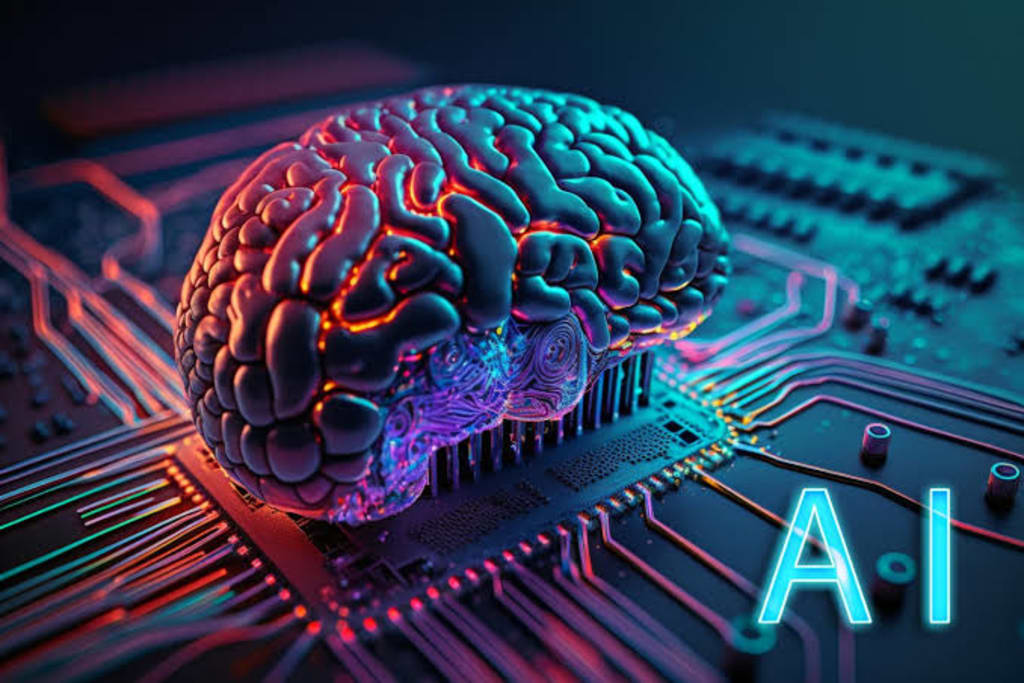
The technological shifts constantly unfolding around us have put Artificial Intelligence (AI) firmly at the center of discussion. Once confined to the realms of science fiction, AI is now permeating every aspect of our daily lives—from smartphones and healthcare to education and transportation systems. But the pressing question remains: Is this rapid transformation merely a technological advancement, or is it unlocking a new horizon for human civilization, one that will fundamentally reshape our future?
At its core, Artificial Intelligence refers to the ability of computer systems to mimic human cognitive functions like thinking, learning, problem-solving, and decision-making. Through branches like Machine Learning and Deep Learning, AI systems can analyze vast amounts of data, learn patterns, and act accordingly. Google Maps' traffic predictions, Netflix's movie recommendations, or your smartphone's voice assistant are all real-world examples of AI in action.
How is Artificial Intelligence Making Our Lives Easier?
Firstly, AI is making our tasks more efficient and accurate. In factories, robots are accelerating production processes, while in healthcare, AI assists doctors in diagnosis, significantly improving precision. The financial sector uses AI to detect transactional fraud, and in education, it's providing customized learning experiences tailored to individual student needs. By analyzing complex data, AI can unearth insights that would be impossible for humans to discover in the same timeframe.
Secondly, it's saving us time. From finding the quickest routes to avoid traffic jams to providing automated customer service responses, AI is freeing up our valuable daily hours. This allows us to focus on more critical and creative endeavors.
Challenges and Ethical Questions of Artificial Intelligence
However, with the rapid advancement of AI come significant challenges and ethical questions. One of the biggest concerns revolves around its impact on employment. As AI and robots become more adept at performing tasks traditionally done by humans, many conventional professions could become obsolete. This could lead to social instability unless we actively create new types of job opportunities.
Furthermore, privacy and data security are major issues. AI systems rely on vast amounts of personal data, which carries the risk of misuse if it falls into the wrong hands. A lack of transparency in AI's decision-making processes is also a concern. If an AI makes a wrong decision, who bears the responsibility? If AI is trained on biased data, its decisions could also be biased, potentially exacerbating social inequalities.
AI's Potential and Future in Bangladesh
For developing nations like Bangladesh, Artificial Intelligence can open up new avenues of possibility. In the agricultural sector, AI can be used to boost crop yields, forecast weather, and effectively combat pests and diseases. In healthcare, AI can help deliver improved medical services to remote areas and significantly reduce the digital divide in education. Bangladesh's startup ecosystem is increasingly seeing new AI-based ventures, contributing to the nation's economy.
However, to harness its full potential, we must establish the appropriate infrastructure, develop a skilled workforce, and formulate sound policies for AI. Increased investment in research and development and strengthened international cooperation are crucial.
Conclusion
Artificial Intelligence is more than just a technology; it's a significant step in the evolution of human civilization. While it offers immense opportunities to enhance our lives, it also brings new challenges. In this AI journey, we must remain vigilant, consider its ethical implications, and ensure that its benefits are equitably distributed to all. The future of AI hinges on how we choose to wield it—will it propel humanity forward, or create new problems for us? The answer to this question rests on our collective efforts.
The answer to this question rests on our collective efforts.
The end with little advice
About the Creator
Day 4 of Quitting
If this is how sobriety feels, maybe it’s better to go through life a little buzzed… this, along with other hits like, I want to kill myself, I wish I was dead, and I’m going to throw myself off a bridge have been the only thoughts on rotation these past few days. I promise myself that if, in a month, I still feel like this (‘this’ meaning despondent, full of rage, and simultaneously numb) I can go back to smoking. Until mid-February though? Nicotine is off the table.
By sleepy drafts11 days ago in Longevity
The Hidden Power of the Nerve Endings in Your Feet
Most people don’t give much thought to their feet unless they’re uncomfortable or tired. Yet beneath the surface, the nerve endings in the feet are constantly working, sending vital information to the brain that influences balance, posture, and movement. These signals operate quietly in the background, but they play a far greater role in daily life than many people realize.
By AhmedFitLife4 days ago in Longevity



Comments
There are no comments for this story
Be the first to respond and start the conversation.