
Any type of cannabis use is directly associated with a high risk of heart disease.
That premise is called into question by evidence from a recent study.

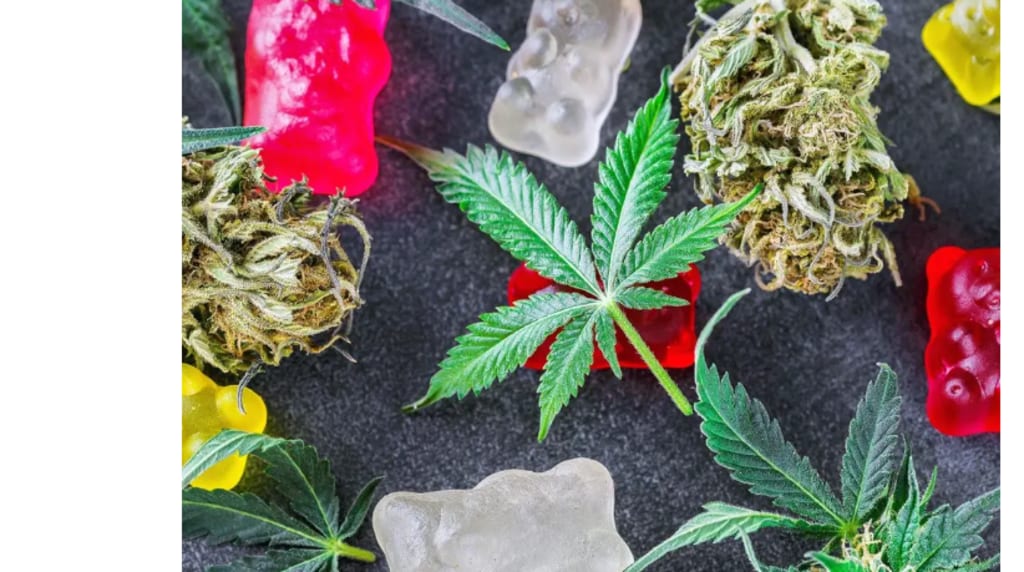
It has long been argued that marijuana is a safer option than regular cigarettes. It is considered by some to be a safe stress reliever that poses fewer risks than tobacco products. That premise is called into question by evidence from a recent study. Senior author Matthew L. Springer, PhD, and first author Leila Mohammadi, MD, PhD, of the University of California, San Francisco, spearheaded the study.
Heart damage and cannabis users
55 people who were either current cannabis users or did not use any nicotine products were tracked in the study. For at least a year, each cannabis user had made it a habit to take the drug at least three times per week. The group consisted of people who had been smoking for an average of ten years and people who had been using edible tetrahydrocannabinol for about five years.
Cardiovascular markers were better in the nonsmoking control group than in either of the cannabis-using groups. Participants who smoked marijuana or consumed treats containing the euphoric ingredient in Cannabis sativa showed reduced blood vessel function, according to research findings.
They discovered that the vascular function of people who used either kind of cannabis was around half that of people who didn't. Higher risks of endothelial dysfunction—a term used to describe compromised blood vessel lining cell function—were associated with this.
Blood vessel damage associated with cannabis
Conditions like heart attacks and hypertension may become more likely when blood arteries become less flexible or sensitive. Prior research has also linked marijuana usage to potential risk factors for cardiovascular issues. For people who often rely on cannabis for pain relief or relaxation, the latest study offers more information to take into account.
Concerns regarding the early onset of vascular disease are raised by the possible connection between cannabis usage and endothelial dysfunction. This disorder affects the arteries' flexibility and nitric oxide synthesis, which both affect how well blood flows throughout the body. People may see an increase in heart-related risks over time if this mechanism falters too much.
Cannabis use and heart health
Researchers found that marijuana users exhibited noticeable blood serum alterations that were detrimental to blood vessel lining cells. However, the same detrimental change in serum characteristics was not seen in those consuming consumables. This could suggest that burning and breathing in cannabis smoke activate specific metabolic pathways that aren't triggered by consuming THC through food or drink.
Although the underlying mechanisms seemed to differ, both approaches nonetheless led to decreased vascular function. This finding allows for a more thorough analysis of the effects of cannabis inhalation on blood molecules such as nitric oxide.
Although researchers have attempted to identify the precise mechanisms via which THC may damage arteries, these results imply that there may be uncharted routes at play. They draw attention to the necessity for additional study to fully comprehend the effects of various routes of usage on the cardiovascular system.
Cannabis consumption and heart health
Regarding cardiovascular strain, some researchers have compared the effects of marijuana and tobacco usage. Both entail breathing in burned materials that could produce oxidising particles and other harmful substances.
Chronic edibles users also exhibited decreased endothelial function, according to this study, but this did not appear to be related to variations in blood serum levels. According to experts, THC may interact with cannabinoid receptors in the heart or blood arteries to have negative cardiovascular consequences.
Edible users may be undergoing those effects without going through the instant signalling changes in the circulation that are associated with smoking. The results also suggest that inhalation might have a greater direct effect on serum variables.
What is meant by all of this?
Edibles are seen by many as a safer option than smoking. Although eating edibles eliminates the risk of breathing in smoke, the study found that both smoking and nonsmoking participants had significantly lower total vascular function when compared to nonusers. That should serve as a warning to anyone who believes that quitting smoking entails avoiding all significant health hazards.
Users for medical or recreational purposes may wish to be aware of these problems. Although some people use cannabis to treat pain or anxiety, this study suggests that cardiovascular health needs to be more widely known. Seeing a doctor regularly may be beneficial, particularly for people with a family history of heart disease.
Cannabis, heart health, and the future
The precise mechanisms underlying THC's impact on blood arteries are still not fully understood, according to the study team. They found that smoking marijuana had different effects on blood vessel function than THC ingestion.
Accordingly, future studies should try to identify the elements of smoke, vapour, or other byproducts that might be most dangerous. Researchers will probably investigate whether short-term marijuana usage is as dangerous as long-term use. The medical community could create more accurate guidelines with greater information on dosage levels and individual variances.
Larger population studies that can monitor cardiovascular markers over longer periods are made possible by the work being done now. Cardiovascular health is an issue that lasts a lifetime. Both consumable users and smokers should be aware of the potential effects of cannabis on their hearts and blood vessels, according to this research.
It makes sense to exercise caution until health care providers have a better idea of how to minimise any dangers associated with regular use.
About the Creator
Keep reading
More stories from Francis Dami and writers in Longevity and other communities.
The astonishing presence of "time mirrors" is confirmed by physicists.
For decades, theoretical physicists have cast the idea that time reflection, also known as the "time mirror," can one day be demonstrated in real experiments. This idea seemed too big and wild, but it has repeatedly appeared in serious discussions about quantum mechanics.
By Francis Dami8 months ago in Longevity
Day 4 of Quitting
If this is how sobriety feels, maybe it’s better to go through life a little buzzed… this, along with other hits like, I want to kill myself, I wish I was dead, and I’m going to throw myself off a bridge have been the only thoughts on rotation these past few days. I promise myself that if, in a month, I still feel like this (‘this’ meaning despondent, full of rage, and simultaneously numb) I can go back to smoking. Until mid-February though? Nicotine is off the table.
By sleepy drafts12 days ago in Longevity
Foods to Avoid After Whitening Teeth
A professional teeth whitening treatment can dramatically boost your confidence, whether you’re heading to a business meeting downtown, enjoying a night out in the Blue Dome District, or getting ready for a family event in Broken Arrow. Right after whitening, however, your teeth are more porous and vulnerable to staining. What you eat and drink during the first few days plays a huge role in how long your results last.
By Good health to everyone3 days ago in Longevity



Comments
There are no comments for this story
Be the first to respond and start the conversation.