
Action Cures Anxiety
How moving forward—one small step at a time—quieted my restless mind

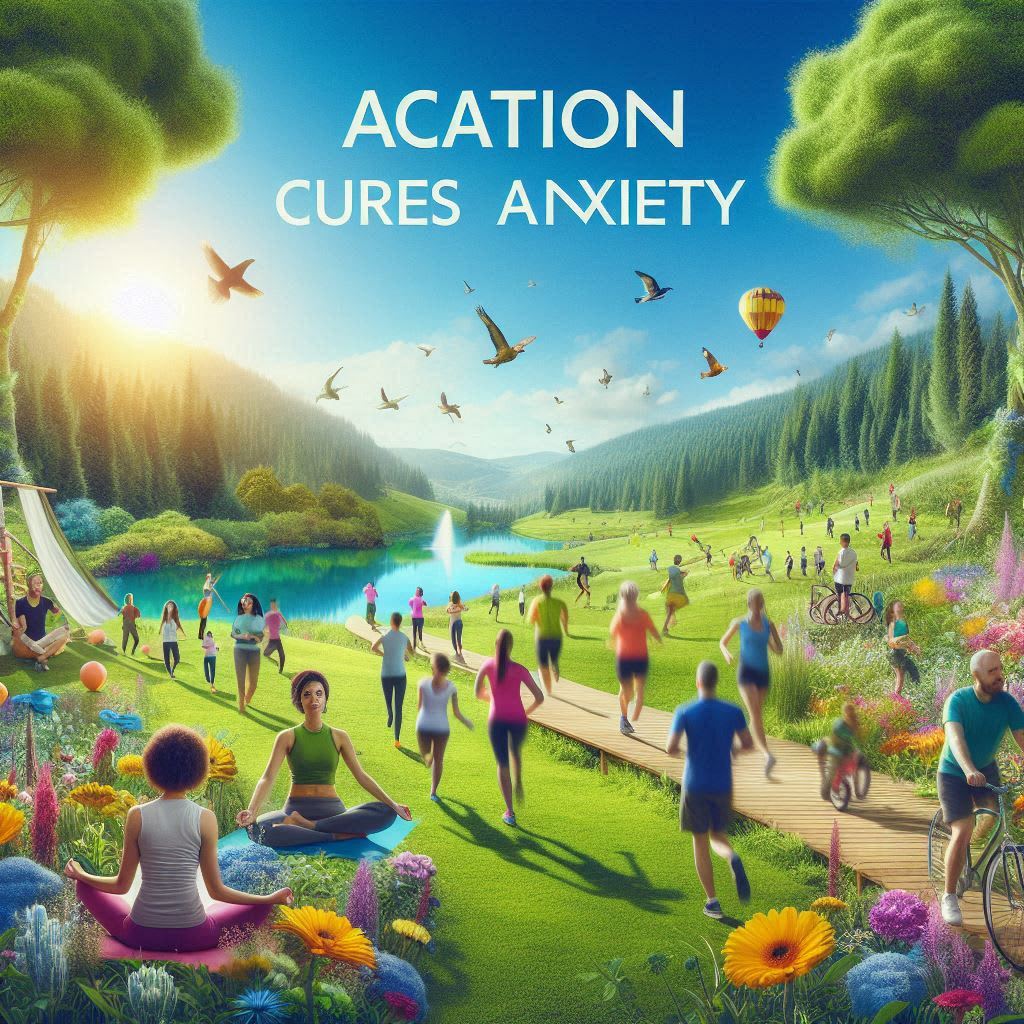

Anxiety used to feel like a locked room inside my head.
No matter how much I thought my way through it, the door stayed shut. I replayed conversations, imagined worst-case scenarios, and waited for the feeling to pass. It rarely did.
What surprised me most wasn’t how strong the anxiety felt—but how powerless I felt sitting still with it.
The shift didn’t come from a breakthrough thought or a perfect coping strategy.
It came from something much simpler.
I learned that action cures anxiety—not big, fearless action, but small, gentle movement forward.
When Thinking Became the Problem
I believed that if I could just understand my anxiety, I could control it. So I analyzed everything. I tried to reason with my fear, to talk myself out of it, to wait patiently until calm returned.
But anxiety doesn’t live in logic.
It lives in anticipation.
The more I sat still, the louder it became. My body stayed tense. My breath stayed shallow. My mind stayed stuck in “what if.”
One day, exhausted from overthinking, I did something different. I stood up and went for a short walk. No goal. No playlist. Just movement.
And something unexpected happened.
The Moment I Noticed the Shift
As my feet hit the pavement, my breathing changed. My shoulders dropped. The tight knot in my chest loosened just a little.
The anxiety didn’t vanish—but it softened.
That’s when it clicked:
My body needed action more than answers.
Anxiety thrives in stillness and uncertainty. Action introduces momentum, grounding, and a sense of control—even if the action is small.
Why Action Works
Action pulls you out of your head and back into your body.
When you move, you signal safety.
When you act, you remind yourself that you’re capable.
When you do something—anything—you interrupt the anxiety loop.
Action doesn’t mean forcing yourself into discomfort. It means choosing movement over paralysis.
Sometimes action looks like:
• Taking a short walk
• Washing one dish
• Sending the email you’re avoiding
• Stretching for two minutes
• Writing one sentence
• Stepping outside for fresh air
• Starting before you feel ready
These actions don’t solve everything—but they create space.
And space is where anxiety loses its grip.
Small Actions, Real Relief
I stopped waiting to feel calm before doing things.
Instead, I did things to create calm.
When anxiety showed up, I asked myself a new question:
“What’s one small action I can take right now?”
Not tomorrow.
Not perfectly.
Just now.
Some days, the action was tiny. Other days, it led to more movement. Either way, I felt better than I did sitting still.
Over time, I noticed something important:
The more consistently I took small actions, the less intense my anxiety became.
It didn’t disappear—but it stopped running my life.
Action Builds Long-Term Strength
This is where action connects to longevity—not just living longer, but living better.
Anxiety drains energy. It keeps the nervous system stuck in high alert. Over time, that takes a toll on both mental and physical health.
Action supports resilience.
It strengthens confidence.
It improves circulation and breathing.
It trains the mind to respond instead of freeze.
It builds habits that support long-term wellbeing.
Each small action is like a vote for your future self—the version of you who handles stress with steadiness instead of fear.

When Action Feels Hard
There are days when anxiety makes even small actions feel heavy. On those days, kindness matters more than productivity.
Action can be gentle.
You don’t have to conquer fear.
You don’t have to push through exhaustion.
You just have to move a little.
Sometimes action is resting intentionally.
Sometimes it’s saying no.
Sometimes it’s taking a deep breath and standing up.
Progress isn’t loud. It’s consistent.
Conclusion: Move, Don’t Wait
Anxiety told me to wait—to stay still until I felt safe.
Action taught me that safety often comes after movement.
You don’t need to feel fearless to begin.
You don’t need to have clarity to take a step.
You don’t need motivation to act.
You just need willingness.
Because action doesn’t just distract anxiety—it retrains the nervous system, builds confidence, and supports a healthier, longer life.
So if anxiety is loud today, don’t argue with it.
Don’t analyze it.
Don’t wait it out.
Take one small step.
Action cures anxiety—not instantly, but steadily.
And step by step, it brings you back to yourself.
----------------------------------
Thank you for reading...
Regards: Fazal Hadi
About the Creator
Fazal Hadi
Hello, I’m Fazal Hadi, a motivational storyteller who writes honest, human stories that inspire growth, hope, and inner strength.
Keep reading
More stories from Fazal Hadi and writers in Longevity and other communities.
The 5-Minute Rule for Consistency
For years, I told myself the same story: I just need more discipline. More motivation. More energy. More time. I believed consistency was something other people had—people with stronger willpower and better routines. Every time I fell off a habit, I blamed myself and tried again with bigger plans and higher expectations.
By Fazal Hadi3 months ago in Longevity
Early Warning Signs: Minor Symptoms That Evolve Into Chronic Pain
Most people dismiss minor aches and stiffness as temporary inconveniences or inevitable parts of aging. However, medical experts across multiple specialties warn that these seemingly insignificant symptoms often serve as early warning signs of chronic pain conditions that become far more difficult and expensive to treat once they progress. Understanding which minor symptoms deserve immediate attention can prevent years of unnecessary suffering and disability.
By Tim Clarke6 days ago in Longevity
The impact of sleep on our mental state
Introduction Sleep is a critical pillar of our daily lives, yet it’s often treated as an afterthought. While comfort and personal preference matter, the idea that we should just sleep “whenever and however” is a trap. To truly function at your peak, you need more than just rest — you need a disciplined strategy. It sounds harsh and at first, if you are used to staying up all night and not paying attention to your mental and physical health, it might seem impossible. However, great things do require some small sacrifices, so let us begin with the three tips.
By Charilaos Spanoudis3 days ago in Longevity


Comments
There are no comments for this story
Be the first to respond and start the conversation.