
A complete guide to Panchakarma cleansing therapy
Panchakarma cleansing therapy
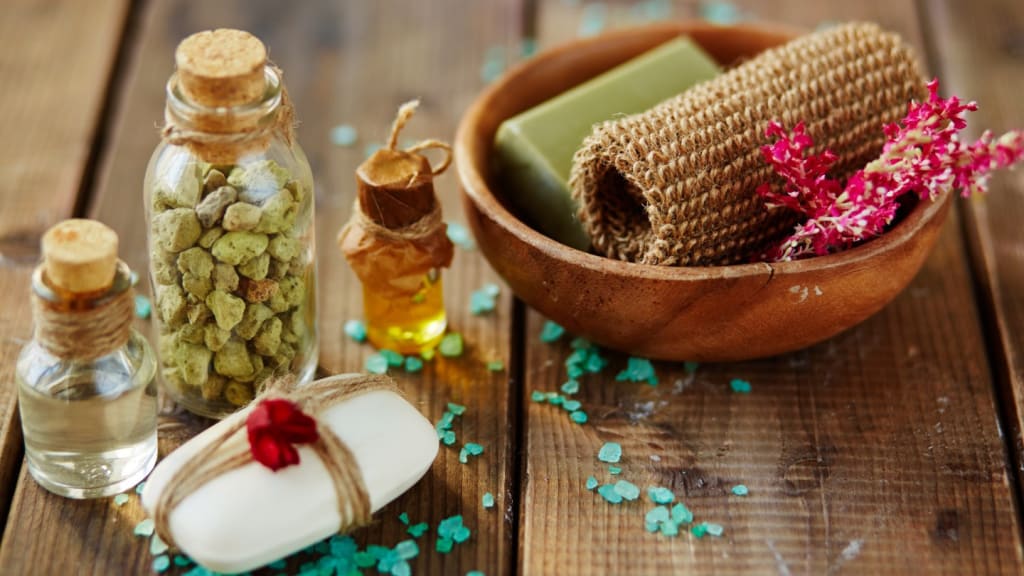
Today, Ayurveda is becoming a way of living because of the many benefits that it offers. It has taken the shape of a modern-day movement that transforms how we treat our bodies and mind. Ayurveda helps sharpen our sense of self-awareness and inner sensitivity by making us listen to our bodies and minds and responding to them through the tools of nature. This practice, through the use of herbs, oils, roots, and plants for the prevention and treatment of various illnesses, has created its own loyal group of practitioners and followers. Also considered as the oldest system of healing, the term Ayurveda in Sanskrit means ‘The science of life’. This ancient knowledge originated in the Indian subcontinent around 5000 years ago. With the advent of globalization, this science of healing has spread far and wide. And today, everyone from all over has benefited from Ayurvedic practice.
The renewed importance of Ayurveda in modern times is also because it can be easily incorporated in daily life in different ways. One does not need to fall ill or sick to include Ayurveda in their lives. Countless Ayurvedic restorative steps like Ayurvedic foods in the diet, or an Ayurvedic diet, Ayurvedic cleansing rituals, Ayurvedic spa, and treatments, etc. help bring about gradual but concrete positive changes in life.
What is an Ayurvedic cleanse?
An Ayurvedic cleanse is a process of removal of toxins from the different parts of the body. Through an ayurvedic cleanse, the Vata dosha, Pitta dosha, and Kapha dosha, the three Ayurvedic doshas, are balanced in the body. It detoxifies the entire body. This leads to a renewed calmness in the body and stability in the mind.
Panchakarma is a renowned Ayurvedic detoxification therapy. It is highly effective in removing toxins and wastes from the body. It is a detailed five-step therapy that usually takes a minimum of 5 days. Let us know more about this potent detoxific
tion process elaborately.
What is Panchakarma?
Panchakarma is an ancient Ayurvedic detoxification ritual that helps in flushing out toxins from the body that has accumulated as a result of illness, imbalanced diet, and environmental pollution. This Sanskrit word means ‘Five actions’, i.e., the five stages of treatment that one goes through while eliminating toxins from the body in this detox therapy.
Panchakarma is not merely a luxurious spa experience. It is a healing treatment for the mind and body. It helps the tissues heal and brings them to their prime health. It energises the mind and body. One needs to be prepared through a sequence of inter-linked steps before undergoing this process to ensure the elimination of all toxins.
The preparatory steps for Panchakarma are:
• Snehana
This is the first step in preparing the body for Panchakarma. Here, the body lubricated with fat, both internally and externally. Medicated ghee, or clarified butter, that is filled with the goodness of Ayurvedic herbs and roots, is administered orally with food or otherwise. This helps direct the toxins, called Ama in Ayurveda, towards the gastrointestinal tract. The body is also massaged with ghee externally to aid the movement of the toxins.
The amount of ghee that is given for consumption is decided after careful consultation with the person who is undergoing the therapy. The amount is decided according to the condition of the individual which is studied thoroughly over a few days.
Snehana is an important step since it ensures the easy movement of toxins in every part of the body to the gastrointestinal tract. This is turn results in the optimum removal of the unwanted wastes from the body.
• Swedana
This step is the fomentation in the body with the help of calming heat which makes the body sweat. This step is aimed at opening the blocked passages in the body so that ama is released with ease and efficiently. Swedana is done through steam baths and localised heat application on the body.
These two steps of Snehana and Swedana usually takes a few days to complete so as to fully prepare the body for the panchakarma. Thus, it is advisable that one entirely devotes his/her mind and energy towards this process and not undertake any shortcuts.
• Dietary preparations
The body is also prepared for panchakarma through diet. One must stop consuming alcohol, caffeine, tobacco, junk, and processed foods, dairy products, and non-vegetarian foods for at least a week. The diet should comprise of light foods made with organic and whole seeds. Watery rice porridge cooked with whole lentil seeds, known as Khichri, is ideal for the time before panchakarma therapy. Also, during this time, one must increase the intake of detox teas and detox water. Even when the therapy is over, change the diet gradually by still eating rice porridge and then slowly including other foods.
After the body is fully prepared, panchakarma therapy is started. It comprises of 5 steps.
The procedures of Panchakarma are:
• Vamanam or vomiting therapy
This step is usually done in the morning on an empty stomach. It is done to remove the excess Kapha from the body. Trained therapists give special foods to consume on the previous night. The next morning, gentle heat is applied on the chest and back which helps in the easy movement of the toxins. After this, an Ayurvedic drink is given which induces vomiting and removes all the toxins.
This step is beneficial for those suffering from asthma, sinus problems, chronic cold, bronchitis, psoriasis, etc.
• Virechanam or purgation therapy
Virechana is the Sanskrit term for laxatives. In this step, excess Pitta dosha is eliminated from the body while creating the environment for the formation of new Pitta dosha. Various herbs and medication decoctions are used to clean the stomach, small intestine, liver, spleen, and sweat glands. The dosage of the herbs and decoctions are fixed after extensively studying the pre-existing diseases and the over-all tolerance level of the individual.
This step is beneficial for those suffering from jaundice, digestion problems, chronic headaches, and skin problems.
• Aasthaapana basti or enema therapy
In this step, a herbal liquid is prepared to initiate enema. This way the toxins are removed through the colon and rectum. This part of the body is rich in Vata dosha. Hence, it helps in dealing with Vata related diseases.
This step is beneficial for those suffering from constipation, backaches, and other joint pains.
• Nasya or nasal therapy
In this step, the nasal passage is massaged using medicated oils. This step also includes the inhalation of herbal steam and oils. This step helps in clearing the nasal passage and improves breathing.
This step is beneficial for those suffering from sinuses, migraine headaches, certain ear, and eye problems, etc.
• Rakta Moksha or bloodletting therapy
In this step, the blood in the body is purified using different methods. The method used is usually chosen after understanding the requirement of the individual. Some methods for bloodletting are using medicated leeches, gem stone therapy, venepuncture, etc.
This step is beneficial in treating skin diseases, ulcers, gout, etc.
When you need an Ayurvedic cleansing?
An Ayurvedic cleansing or detoxification of the whole body can be done at any time when you feel excess of toxic material (ama) in your body, which leads to several digestive system disorders or other issues.
Some of the symptoms of excessive toxins or ama are:
• Fatigue
• Irritating behavior.
• Stiffness and aches in the body.
• Weight gain or inability to reduce weight.
• Excessive cravings, especially for processed food or sugar.
• Different skin issues, such as acne or dry skin.
• White coating on the tongue.
• Digestive disorders.
• Chronic colds and headaches.
Many people also go for an Ayurvedic cleansing annually to reset the body and recharge it internally.
The benefits of Ayurvedic cleansing are-
• Deeply detoxifies the body.
• Boosts digestive health.
• Boosts immunity.
• Boosts metabolism.
• Balances the three doshas.
• Relieves stress.
• Improves relaxation.
• Slows down the aging process.
• Adds vitality and strength.
• Restores health and happiness.
Who should not go for Panchakarma therapy?
While this therapy is beneficial and suits everyone from all age groups, it is advisable that ladies who are pregnant, lactating, or menstruating should stay away from this therapy. Also if you are someone who is of 65+ age, you must consult a doctor before going for this therapy.
The best part about Panchakarma therapy is that is can be customised as per your requirements. If you are running short on time, let your Ayurvedic therapist know. He/she will reduce the therapy to only those rituals that are absolutely necessary for you. Also, you may opt-out from a few of the rituals and go for only those with which you are comfortable with. The necessity and intensity of the rituals are only decided after the Ayurvedic therapist is convinced whether you need it or not. You can also go for a mini-Panchakarma therapy for rejuvenation of the mind and body. It is also advisable that you undergo panchakarma therapy under an expert Ayurvedic therapist at experienced ayurvedic retreats to have a safe and wholesome experience.
Check out these top Ayurvedic retreats in India to experience authentic Panchakarma therapy.
3 Days Yoga Ayurveda Retreat in Kerala, India
Held in Namaste Ayurvedic Wellness Centre in Thrissur district of Kerala, this Ayurvedic retreat is perfect for de-stressing and complete rejuvenation. This eco-friendly yoga retreat also offers a range of natural remedies for several conditions, along with regular yoga and mediation class for a complete recharge of the body, mind, and soul.
The medium of instruction for this retreat is English and the maximum number of participants is 20. This retreat is available throughout the year.
Highlights of the retreat:
• 1 herbal steam bath
• 3 Ayurvedic full-body massages
• 1 back massage and 1 head massage
• 3 yoga, pranayama, and meditation classes
• Daily vegetarian meals of local, seasonal, organic produce
• 2 nights’ stay
• Airport transportation on request
7 Days Yoga and Ayurveda Retreat in Goa, India
This retreat is held in Devarya Wellness, Morjim, Goa. It is a beach resort with access to its private beach. This retreat offers consultation with an Ayurvedic doctor who will determine your ‘doshas’ and advise you on the appropriate nutritional diet, therapies, treatments, and lifestyle choices to unblock your blocked channels and balance your energy.
This round the year retreat allows maximum participation of 15 individuals. The medium of instruction here is English.
Highlights of the retreat:
• Daily yoga classes
• Consultation with an ayurvedic doctor
• 3 Ayurvedic massages
• 1 Shirodhara treatment
• 1 Indian head massage
• Daily vegetarian buffet breakfast and dinner with seasonal, local organic produce.
• 6 nights’ stay
• Yoga props
28 Days Rejuvenation Ayurveda Retreat with Yoga in Rishikesh, India
This retreat is held in Spiritual Life Home in Rishikesh, Uttarakhand, India. It offers a wide range of ayurvedic treatments ad therapies under the expert guidance of experienced Ayurvedic doctors. You can also practice yoga and meditation along with sacred fire rituals and mantra chanting here.
This retreat is held round the year and allows maximum participation of 28 individuals. The medium of instruction here is English.
Highlights of the retreat:
• Daily yoga and meditation class
• Vedic astrology and prayers
• Daily cleansing class ( Shat karma)
• Customised Panchakarma treatment according to the body type
• 4 Ayurvedic consultations with an Ayurvedic doctor
• Daily mantra chanting
• Daily 3 sattvic meals
• Fire ceremony
• Ganga aarti visit
• 27 nights’ stay
In today’s world, Ayurvedic cleansing is more relevant because of the increasing air pollutants, contamination of processed food, pesticides, including all of the chemicals and preservatives used in the commercialized products. These products are hard to digest and, thus, cause indigestion problems. However, cleansing is the best option for our system. The importance of an Ayurvedic cleansing for a healthy lifestyle has gained huge popularity in the last decade. A huge number of Ayurevdui retreats are now available with Ayurvedic cleansing programs, Ayurvedic spa, Ayurvedic treatment, etc. to enjoy the maximum benefits of this ancient wisdom.
About the Creator
Keep reading
More stories from writers in Longevity and other communities.
Day 4 of Quitting
If this is how sobriety feels, maybe it’s better to go through life a little buzzed… this, along with other hits like, I want to kill myself, I wish I was dead, and I’m going to throw myself off a bridge have been the only thoughts on rotation these past few days. I promise myself that if, in a month, I still feel like this (‘this’ meaning despondent, full of rage, and simultaneously numb) I can go back to smoking. Until mid-February though? Nicotine is off the table.
By sleepy drafts16 days ago in Longevity
Mexico Microcarrier Market Size and Forecast 2025–2033: Biomanufacturing Momentum Accelerates Nationwide
Mexico Microcarrier Market Snapshot The Mexico Microcarrier Market is entering a phase of sustained and strategic growth, reflecting the country’s broader push toward biotechnology self-sufficiency and advanced healthcare manufacturing. According to Renub Research, the market is projected to reach US$ 77.65 million by 2033, up from US$ 39.96 million in 2024, growing at a CAGR of 7.66% from 2025 to 2033.
By Janine Root 5 days ago in Longevity
Rage
Content Warning: Domestic Violence, Assault Rage D. A. Ratliff “Who did this?” My voice echoed through the house. All I wanted was a cup of tea, but one of the twins, running through the house like maniacs, knocked it over. My nerves tingled, and every muscle in my body felt coiled like a spring. Survival seemed out of reach.
By D. A. Ratliff4 days ago in Fiction


Comments
There are no comments for this story
Be the first to respond and start the conversation.