

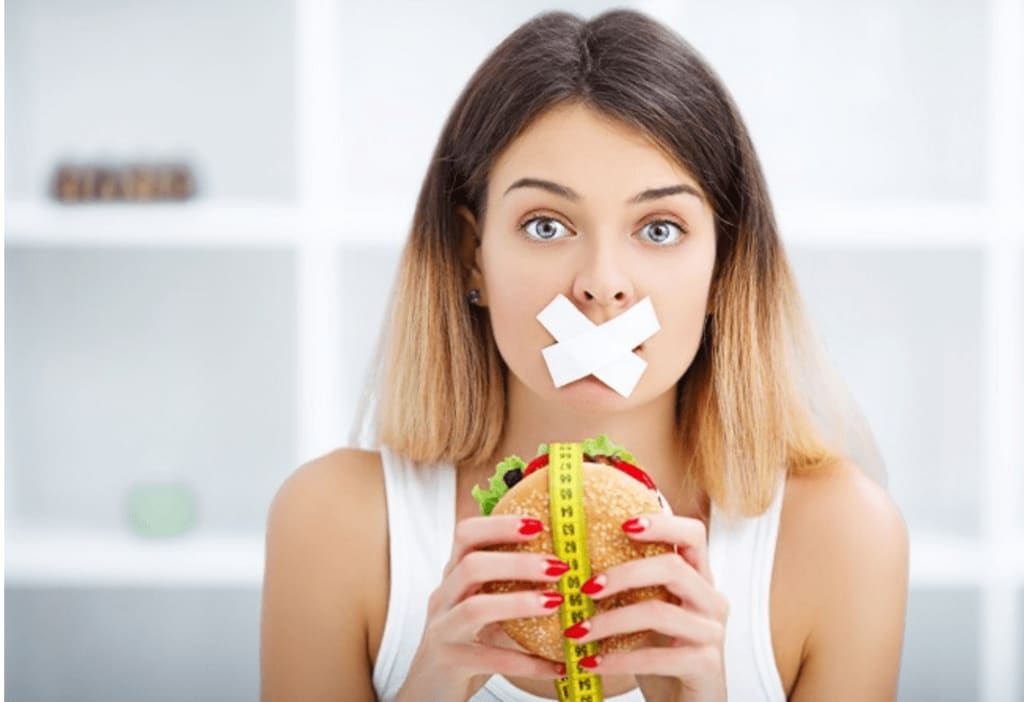
When people feel hungry, the food is usually digested, which is often called "no food in the stomach", which is also called an empty stomach. There are many talks about fasting, such as:
Can not drink milk on an empty stomach, easy to have diarrhea.
Bananas cannot be eaten on an empty stomach, which is not good for the heart.
Do not eat persimmons on an empty stomach, be careful of stones.
...
Is there really a lot of things you can't eat on an empty stomach? Today we will talk about it.
These three foods can be eaten on an empty stomach
Misunderstanding 1: Drinking milk on an empty stomach can cause diarrhea
Rumor: If you drink milk on an empty stomach and have symptoms such as flatulence, farting, diarrhea, abdominal pain, etc., it may be caused by "lactose intolerance". Such people lack lactase in their intestines and cannot effectively decompose lactose in milk or other foods, which can lead to symptoms such as abdominal pain and diarrhea. If it is lactose intolerance, the corresponding symptoms will appear even when you are not fasting. Therefore, drinking milk and diarrhea are not related to fasting.
Misunderstanding 2 Eating persimmons on an empty stomach will cause stomach stones
Rumor: The tannic acid, pectin and gastric acid in the persimmon will form clumps, and the dietary fiber eaten afterwards will condense on the clumps to form stomach stones. Especially when persimmon is eaten with fish, shrimp, crab and other high-protein foods at the same time, it is easier to form gastrolith. However, immature persimmons have a large amount of "tannin", which is 25 times that of mature persimmons. So eat in moderation, peeled and eaten, such as eating 1 at a time, or eating mature persimmons, even if you are on an empty stomach, you don't have to worry too much about getting stomach stones.

Misunderstanding 3 Eating bananas on an empty stomach will increase heart load
Rumor: Bananas are indeed high in magnesium and potassium, but even on an empty stomach, magnesium and potassium are slowly absorbed by the body and will not enter the blood quickly to increase the burden on the heart. So eat in moderation on an empty stomach, such as 1 or 2 bananas. However, it should be noted that patients with impaired renal function are not recommended to eat more or eat bananas on an empty stomach, because such people have impaired potassium excretion function and are prone to hyperkalemia.
You should not eat these if you are hungry
Don't drink alcohol on an empty stomach. Drinking alcohol on an empty stomach is more likely to stimulate the gastric mucosa and cause gastritis and gastric ulcers. In addition, alcohol is more easily absorbed on an empty stomach, making it easy to get drunk. Before drinking, you can eat some staple food or drink some milk, which will relatively reduce the harm of alcohol to the body.
Of course not drinking is the healthiest.
Do not eat irritating, spicy foods on an empty stomach. Sour, spicy, and cold foods are not recommended to eat on an empty stomach. Irritating foods can also irritate the gastric mucosa, causing gastrointestinal cramps, gastric cramps and diarrhea. If your stomach is “strong” enough, it may be fine once or twice, but often eating irritating foods on an empty stomach may induce gastrointestinal diseases.

Find out what is meant by "fasting" before doing the test
Many of the inspection items we go to the hospital require you to keep an empty stomach, so what exactly is an empty stomach? Regarding the definition of an empty stomach, there are two ways to sum it up: In life, what we call an empty stomach generally refers to 4 to 5 hours after a meal. It takes about 4 to 5 hours to digest food. After digestion, the human body will feel hungry. This is the "fasting" situation mentioned above; and the medical fasting refers to 8 to 12 hours without food. This standard will be stricter than the fasting standard mentioned in life, because many medical examinations require an empty stomach, otherwise it will affect the results of the examination.
What time is the best time for an fasting check? The fasting time is not as long as possible. The standard for fasting physical examination is early but not late: 6:30 to 8:30 in the morning, and no more than 9:30 at the latest. Fasting blood for more than 12 hours before drawing blood, although fasting blood is drawn, but endocrine hormones will affect the accuracy of blood glucose and other indicators.
Can I drink water before the fasting examination? Generally, an empty stomach check requires water-free for 6 to 8 hours, but "water-free" means that you cannot drink a lot of water. If you feel thirsty, you can drink less than 200ml of water, but only boiled water, not drinks, tea, coffee, etc., so as not to affect the test results.

Not all examinations must be "strictly fasted"
Which tests need to be "fasted"? In medical examinations, fasting is also divided into "strict fasting" and "small fasting".
Strictly fasting means not eating 8 to 12 hours before the check-up as we mentioned above. Strict fasting examinations are required: blood sugar, blood lipids, renal function (mainly blood urea and blood uric acid), liver function (mainly bilirubin, transaminase), blood viscosity.
"Small fasting" refers to the absence of high-protein and high-fat foods for breakfast, but only low-fat foods such as porridge. This type of inspection can be done 4 hours after breakfast. "Small fasting" examinations: coagulation function, glycosylated hemoglobin, blood routine, erythrocyte sedimentation rate, immune test items such as hepatitis B, a full set of hepatitis, various hormones, myocardial markers, thyroid function, tumor markers, autoantibodies, class Rheumatism factor and so on.
About the Creator
Keep reading
More stories from writers in Longevity and other communities.
Day 4 of Quitting
If this is how sobriety feels, maybe it’s better to go through life a little buzzed… this, along with other hits like, I want to kill myself, I wish I was dead, and I’m going to throw myself off a bridge have been the only thoughts on rotation these past few days. I promise myself that if, in a month, I still feel like this (‘this’ meaning despondent, full of rage, and simultaneously numb) I can go back to smoking. Until mid-February though? Nicotine is off the table.
By sleepy drafts23 days ago in Longevity
10 Traits of Overweight Gym Goers
I don't know about you all, but when I go to the gym, I notice many of the people there are in shape or somewhat in shape, which makes sense, but for those who want to get in shape, being overweight in this setting could potentially feel overwhelming, intimidating, de-motivating, and flat out uncomfortable.
By Destiny S. Harris5 days ago in Longevity


Comments
There are no comments for this story
Be the first to respond and start the conversation.