
80% of secondary strokes can be prevented, the key is to do these points
Second stroke can be prevented


Stroke is the "number one killer" of life and health. It can be divided into two categories: ischemic stroke and hemorrhagic stroke, of which ischemic stroke is the main type. The report shows that the lifetime risk of stroke is 39.9%, which means that about 2 out of 5 people will suffer a stroke in their lifetime; deaths caused by stroke account for about 20% of the total deaths, that is, every 5 deaths , At least 1 person died of a stroke.
Stroke also has a high recurrence rate. In patients with ischemic stroke 18 years and older, stroke recurrence rates are as high as 10.9%, 13.4%, and 14.7% within 3 months, 6 months and 1 year after the onset of onset; transient ischemic attack (TIA, also known as minor stroke) In patients, within 3 months of onset, the recurrence rate of ischemic stroke was 9.7%.
For stroke patients, preventing the recurrence of stroke is the top priority of maintaining life and health. Recently, the American Heart Association/American Stroke Association (AHA/ASA) jointly issued the "2021 Guideline for the Prevention of Stroke in Patients With Stroke and Transient Ischemic Attack" (2021 Guideline for the Prevention of Stroke in Patients With Stroke and Transient Ischemic Attack), Guiding recommendations are provided for secondary prevention of stroke (preventing disease recurrence in people with a history of disease).

The guidelines point out that through the management of stroke risk factors, including lifestyle, such as diet and exercise adjustments, taking hypoglycemic, lipid-lowering and antihypertensive drugs, stroke and TIA patients can reduce the risk of stroke recurrence by 80%.
1. Lifestyle intervention
It mainly includes diet and exercise intervention, as well as quitting smoking and drinking.
Diet
For stroke and TIA patients, it is recommended to follow a Mediterranean diet instead of a low-fat diet to supplement pure olive oil or nuts to reduce the risk of stroke recurrence; if you have high blood pressure and there is no restriction on sodium intake in the current diet, then At least 1g of sodium (2.5g of salt) should be reduced daily.
Studies have found that compared with a low-fat diet, following the Mediterranean diet and supplementing with olive oil or nuts is associated with a 40% reduction in the risk of stroke in people at high risk of cardiovascular disease; sodium intake is reduced by 1g/day (salt 2.5g/day), It is associated with a 20% reduction in the risk of cardiovascular disease.
movement
Regular exercise after a stroke or TIA can have a positive impact on risk factors for stroke, such as lowering blood pressure, cholesterol, and weight; and improving endothelial function, reducing platelet aggregation, reducing fibrinogen levels, and reducing serious injuries caused by stroke.
For stroke or TIA patients who are able to exercise, it is recommended to perform moderate-intensity aerobic exercise at least 4 times a week for at least 10 minutes each time, or high-intensity aerobic exercise for at least 20 minutes each time 2 times a week; Patients who are capable and willing to increase exercise can increase their leisure time exercise.
Patients with motor and balance disorders after a stroke can exercise under the supervision of medical staff or health professionals, which will not only help restore motor function, but also help reduce the risk of stroke recurrence.
For stroke or TIA patients who are sedentary during the day, it is recommended to reduce the sedentary time, stand for 3 minutes or perform a small amount of exercise after every 30 minutes of sitting to maintain cardiovascular health.

Quit smoking
For stroke or TIA patients who smoke, it is recommended to use medications (nicotine substitutes, bupropion or varenicline) or other methods to quit smoking as soon as possible; if you cannot quit smoking immediately, you should reduce your daily smoking; you should also avoid passive smoking To reduce the risk of stroke recurrence.
Smoking is related to approximately double the risk of stroke. Passive smoking is also associated with an increased risk of stroke. Studies have found that the risk of stroke recurrence for smokers who continue to smoke after a stroke is about twice that of non-smokers, and as the amount of smoking increases, the risk of recurrence will also increase.
Alcohol or drug use disorder
Alcohol or drug use disorder is a chronic recurrent brain disease that manifests as compulsive use, loss of control over intake, and a negative emotional state when not in use. Therefore, special treatment is needed to manage this substance dependence.
For men who drink more than 2 cups of alcohol a day or women who drink more than 1 cup of alcohol a day, stroke or TIA patients should reduce their drinking, preferably abstaining from alcohol, to reduce the risk of stroke recurrence.
For stroke or TIA patients who use stimulants (such as amphetamine, amphetamine derivatives, or cocaine), medical staff should inform them that this behavior is dangerous to their health and advise them to stop using them as soon as possible.

2. Control high blood pressure
The guidelines suggest that stroke and TIA patients with hypertension are recommended to take thiazide diuretics, angiotensin converting enzyme inhibitors (ACEI) or angiotensin II receptor blockers (ARB) under the guidance of medical personnel Other drugs lower blood pressure; it is recommended to lower blood pressure below 130/80mmHg to prevent recurrence of stroke. In addition, in order to achieve the best effect of blood pressure control, individualized therapy should be considered, and the risk of various complications, the type of antihypertensive drugs and the patient's choice should be fully evaluated.
For stroke or TIA patients without a history of hypertension, if their blood pressure is higher than 130/80mmHg, antihypertensive drugs can also be taken to reduce the risk of stroke recurrence or other cardiovascular diseases.
3. Treatment and detection of hyperlipidemia
For stroke patients without coronary heart disease, cardiogenic embolism, and low-density lipoprotein cholesterol (LDL-C)> 100mg/dL, atorvastatin can be taken orally under the guidance of medical personnel to reduce the risk of stroke recurrence.
For stroke or TIA patients with atherosclerotic cardiovascular disease (intracranial, carotid, aorta or coronary artery), statins and ezetimibe can be taken for lipid-lowering treatment under the guidance of medical personnel. Reduce LDL-C to <70mg/dL to reduce the risk of cardiovascular disease.
For stroke or TIA patients with hyperlipidemia, the changes in life habits and the effect of reducing LDL-C should be monitored in due course. Fasting blood lipids should be monitored within 4 to 12 weeks after starting the statin treatment, and then every 3 to 12 months to monitor patient compliance and adjust the dosage appropriately.
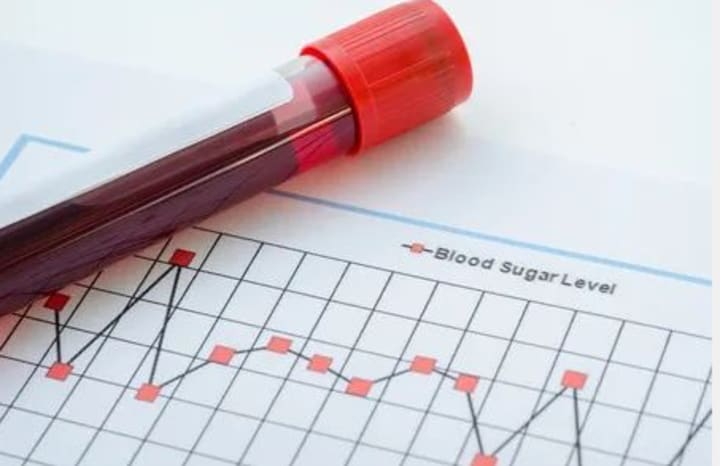
4. Control blood sugar
For stroke or TIA patients with diabetes, especially those under the age of 65 who have no life-hindering diseases, the guidelines recommend that glycosylated hemoglobin (HbA1c) be controlled at ≤7% to reduce the risk of microvascular complications; For the treatment of diabetes, it is recommended to adopt a multi-dimensional approach, such as lifestyle intervention, medical nutrition therapy, diabetes self-management education, and drug therapy, etc., to achieve the goal of reducing blood sugar and reduce the risk of stroke recurrence.
For stroke or TIA patients with pre-diabetes, improving lifestyles, such as healthy eating, regular exercise, and smoking cessation, will help prevent the progression to diabetes; medications such as metformin can also be taken under the guidance of medical staff to prevent the development of diabetes.
In addition, patients with stroke or TIA can also be screened for pre-diabetes or diabetes to detect related diseases as early as possible.
5. Maintain a healthy weight
Studies have found that obesity increases the risk of ischemic stroke by 50%-100% compared with people of normal weight. And as long as you lose 5%-10% of your body weight, you can produce meaningful improvements in cardiovascular disease risk factors.
For stroke or TIA patients who are overweight or obese, the guidelines recommend that weight should be reduced to improve risk factors for cardiovascular disease. In addition, the body weight should be monitored every year to understand the weight change in time, and take weight loss measures to achieve continuous weight loss and keep it within the normal range.
6. Treatment of obstructive sleep apnea syndrome
Studies have found that obstructive sleep apnea syndrome affects approximately 38%-40% of stroke patients. By treating the disease, improving the sleep of stroke patients can help maintain the patient's good mental state, improve drowsiness, and possibly improve nerve function.
The guidelines recommend that patients with stroke or TIA should be screened for obstructive sleep apnea to determine whether they have the disease. If you have this disease, you can use positive pressure ventilation therapy, such as continuous positive airway pressure, to improve sleep, blood pressure, drowsiness, and other apnea-related symptoms, and reduce the risk of stroke recurrence.

Summary
All in all, the guidelines emphasize that the vast majority of strokes can be prevented. Approximately 90.5% of strokes globally can be attributed to changeable risk factors. Let us take action against the modifiable risk factors of stroke to reduce the risk of stroke recurrence and improve health and quality of life.
About the Creator
Keep reading
More stories from writers in Longevity and other communities.
Day 4 of Quitting
If this is how sobriety feels, maybe it’s better to go through life a little buzzed… this, along with other hits like, I want to kill myself, I wish I was dead, and I’m going to throw myself off a bridge have been the only thoughts on rotation these past few days. I promise myself that if, in a month, I still feel like this (‘this’ meaning despondent, full of rage, and simultaneously numb) I can go back to smoking. Until mid-February though? Nicotine is off the table.
By sleepy drafts24 days ago in Longevity
10 Traits of Overweight Gym Goers
I don't know about you all, but when I go to the gym, I notice many of the people there are in shape or somewhat in shape, which makes sense, but for those who want to get in shape, being overweight in this setting could potentially feel overwhelming, intimidating, de-motivating, and flat out uncomfortable.
By Destiny S. Harris6 days ago in Longevity


Comments
There are no comments for this story
Be the first to respond and start the conversation.