
8 Debunked Myths About Myomectomy
In this article, we'll dispel the eight most common myths about myomectomy and help you understand what to expect.


Uterine fibroids are benign tumors that commonly occur in women of childbearing age. Although fibroids are not cancerous, they can cause severe symptoms like heavy menstrual bleeding, abdominal pain, pressure on the bladder, and fertility problems. One of the main methods for treating fibroids is myomectomy. It is the surgical removal of the tumor while preserving the uterus. However, many myths surround this procedure that can scare women and prevent them from making an informed decision. In this article, we'll dispel the eight most common myths about myomectomy and help you understand what to expect.
Myth 1: A myomectomy means the end of your childbearing years
This is one of the most common myths and causes great anxiety among women planning a pregnancy. In fact, a myomectomy is performed precisely to preserve the uterus and, if necessary, fertility. Fibroid removal can actually increase the chances of a successful pregnancy, especially if the fibroids have interfered with embryo implantation or caused miscarriages. Indeed, it all depends on the individual case, but a termination of reproductive function after a myomectomy is rather the exception than the common occurrence.
Myth 2: Fibroids don't recur after surgery
A myomectomy removes existing fibroids, but doesn't treat the underlying causes. If there is a hormonal background in the body that promotes fibroid growth (for example, excess estrogen), new fibroids may form over time. This doesn't mean the surgery was pointless—removing large or symptomatic fibroids can significantly improve quality of life. However, it is important to understand that a myomectomy doesn't guarantee that the fibroid will not recur.
Myth 3: A myomectomy is always an open procedure with a lengthy recovery period.
Modern medicine offers various methods of myomectomy: hysteroscopic (through the vagina), laparoscopic (through small incisions in the abdomen), and laparotomic (open). The choice of method depends on the size, location, and number of fibroids. In many cases, abdominal surgery can be avoided, and the recovery period can be reduced to just a few days. Women are often surprised at how quickly they can return to their normal lives after a minimally invasive myomectomy.
Myth 4: This is a very painful and dangerous procedure.
Indeed, like any other surgery, myomectomy carries certain risks. However, with appropriate preparation, a good specialist, and an individualized approach, the likelihood of complications is minimal. Modern pain medications, gentle techniques, and the experience of the doctors make it possible to minimize discomfort. Most women report that postoperative pain is moderate and can be well controlled with medication.
Myth 5: It's better to remove the uterus immediately than to perform a myomectomy.
This approach was popular in the past, especially among women who weren't planning on having children. However, today, doctors try to preserve the organ whenever possible, even if fertility isn't a priority. The uterus isn't just an organ for childbirth; it's also involved in hormonal balance, impacts the pelvic organs, and affects a woman's overall quality of life. Removing the uterus is a serious step with potential long-term consequences and should only be considered as a last resort.
Myth 6: If fibroids don't cause symptoms, there's no reason to do anything.
At first glance, this sounds logical. However, fibroids can grow, change shape, and cause problems over time. Some grow very quickly and can deform the uterus or compress other organs. Even if the fibroid is "silent," it still requires regular monitoring. In some cases, it's better to remove it before complications arise. The decision about treatment is made on an individual basis, but ignoring the problem is not a solution.
Myth 7: You can't get pregnant for at least 2-3 years after a myomectomy.
This is an outdated view. Modern research shows that a woman can plan a pregnancy within 6-12 months after a myomectomy (depending on the surgical technique and the degree of tissue healing). Indeed, it is important for the uterus to recover, especially if deep incisions were made. However, it is not always necessary or advisable to delay pregnancy for years after surgery.
Myth 8: Myomectomy always leads to recurrence and repeat surgeries
Indeed, fibroids can recur. However, that doesn't mean every woman is condemned to a series of endless surgeries after a myomectomy. Many live for decades without a recurrence. There are also additional preventative measures: lifestyle changes, hormone control, and proper nutrition. After surgery, it's important to undergo regular gynecological checkups and respond to any changes in a timely manner.
About the Creator
Amelia Grant
I am journalist, and blogger.
Keep reading
More stories from Amelia Grant and writers in Longevity and other communities.
7 Facts About Dysmenorrhea That You Should Know
Dysmenorrhea is the medical term for painful menstruation. For millions of women around the world, this is not just a temporary inconvenience, but a real challenge that can affect their quality of life, their ability to work, and even their psycho-emotional condition. The pain can be stabbing, cramping, or dull, localized in the lower abdomen and radiating to the back or legs. Here is a list of seven facts about dysmenorrhea to help you better understand what you are dealing with and what you can do about it.
By Amelia Grant7 months ago in Longevity
Day 4 of Quitting
If this is how sobriety feels, maybe it’s better to go through life a little buzzed… this, along with other hits like, I want to kill myself, I wish I was dead, and I’m going to throw myself off a bridge have been the only thoughts on rotation these past few days. I promise myself that if, in a month, I still feel like this (‘this’ meaning despondent, full of rage, and simultaneously numb) I can go back to smoking. Until mid-February though? Nicotine is off the table.
By sleepy drafts6 days ago in Longevity
Saudi Arabia Date Syrup Market Size and Forecast 2025–2033
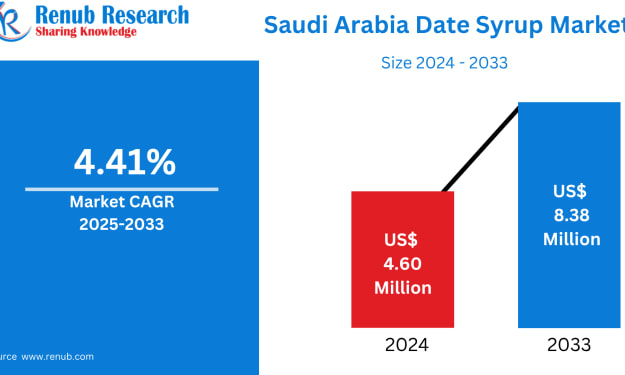
Saudi Arabia Date Syrup Market: A Sweet Tradition Entering a Modern Growth Phase The Saudi Arabia Date Syrup Market is expected to reach US$ 8.38 million by 2033, up from US$ 4.6 million in 2024, expanding at a CAGR of 6.88% from 2025 to 2033. Supported by the Kingdom’s rich date cultivation heritage and growing preference for organic, traditional, and functional food products, the market is being driven by rising health awareness, increasing demand for natural sweeteners, and wider adoption across culinary and foodservice applications.
By Marthan Sir4 days ago in Longevity
Violence Begets
"Any last words, cowboy?" "None you'd understand, sodbuster." "Funny. That's Marshall Sodbuster to you. But I meant some last nugget that would help us in the adjudication of the myriad offenses counted against you and your gang. I wasn't asking for penitence."
By Adam Diehl6 days ago in Fiction



Comments
There are no comments for this story
Be the first to respond and start the conversation.