
7 Facts About Dysmenorrhea That You Should Know
Here is a list of seven facts about dysmenorrhea to help you better understand what you are dealing with and what you can do about it.

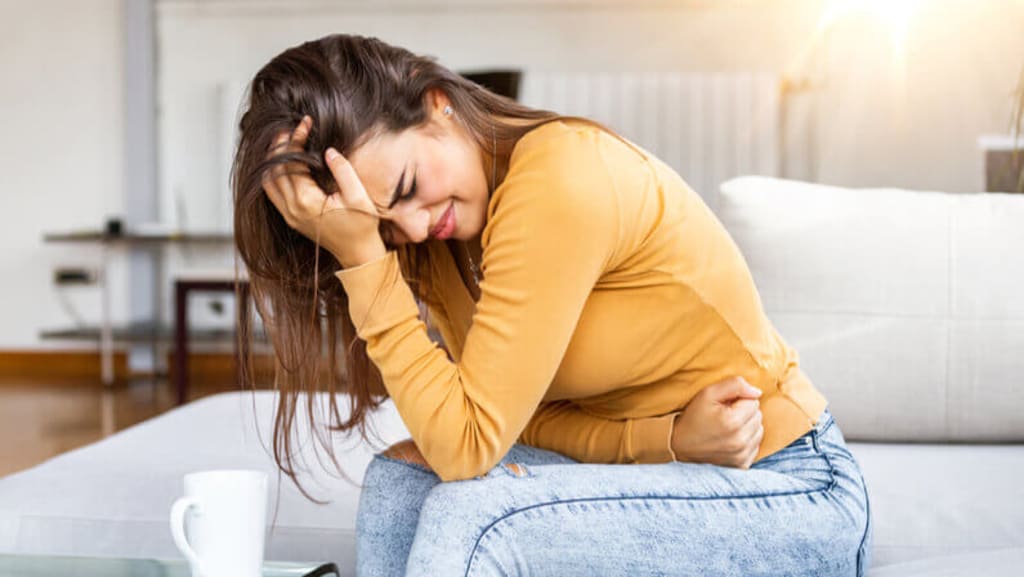
Dysmenorrhea is the medical term for painful menstruation. For millions of women around the world, this is not just a temporary inconvenience, but a real challenge that can affect their quality of life, their ability to work, and even their psycho-emotional condition. The pain can be stabbing, cramping, or dull, localized in the lower abdomen and radiating to the back or legs. Here is a list of seven facts about dysmenorrhea to help you better understand what you are dealing with and what you can do about it.
1. There are two types of dysmenorrhea
Dysmenorrhea can be primary and secondary. Primary dysmenorrhea occurs in girls and women without visible diseases of the reproductive system. It usually begins during puberty, 1-2 years after the onset of menstruation. Secondary dysmenorrhea, on the other hand, is associated with gynecological diseases such as endometriosis, uterine fibroids, pelvic inflammatory disease, etc. If pain occurs after several years of painless menstruation, this is a reason to consult a doctor.
2. Severe pain during periods is not normal
Many women endure pain for years, believing that it is "natural", that "everyone is like this", and that "enduring it means being strong". But in reality, this is not the case. Severe pain, especially if it interferes with your life, work, or studies, or requires constant use of painkillers, is a reason to consult a doctor. Modern medicine offers many ways to relieve a woman's discomfort during menstruation.
3. Not only can uterine contractions cause period pain
In primary dysmenorrhea, pain occurs due to excessive production of prostaglandins, hormone-like substances that stimulate uterine contractions. This is necessary for the rejection of the uterine lining, but in some women, there is an increased production of prostaglandins, which is why the contractions become too intense and painful. Secondary dysmenorrhea can be caused by anatomical changes, inflammations, or tumors that disrupt the normal function of the pelvic organs.
4. Dysmenorrhea may be accompanied by other symptoms
Menstrual pain is just the tip of the iceberg. Dysmenorrhea may be accompanied by headaches, nausea, vomiting, diarrhea, weakness, fatigue, irritability, and even fainting. Some women also experience mood swings, insomnia, and anxiety before and during their period. These symptoms can seriously affect daily life.
5. Lifestyle directly affects the severity of symptoms
Physical activity, sleep patterns, stress levels, and diet can affect the amount of pain you experience during your period. Regular moderate physical activity (like swimming, yoga, and Pilates) can reduce the severity of symptoms. Smoking, in turn, can worsen the dysmenorrhea because nicotine promotes vasoconstriction, thereby impairing blood supply to the pelvic organs.
6. Self-medication can be dangerous
Women often take painkillers (ibuprofen, paracetamol) without consulting a doctor. Although pain medications may relieve the pain in the short term, they don't solve the underlying problem. Uncontrolled use of strong medications without a diagnosis is especially dangerous. In addition, some conditions (such as a ruptured cyst or an ectopic pregnancy) can be accompanied by pain similar to dysmenorrhea. That's why it is essential not to ignore the body's signals.
7. There are effective treatments
Modern gynecology offers a wide range of solutions: from hormone therapy and physiotherapy to surgical interventions (in the case of secondary dysmenorrhea). Your doctor may prescribe combined oral contraceptives that lower prostaglandin levels, or draw up a personalized treatment plan based on the cause of your pain. Dietary supplements containing magnesium, vitamin B6, omega-3 fatty acids, and herbal extracts (such as chasteberry or ginger) may also be helpful.
The bottom line
Dysmenorrhea is not something that "every woman should have". When menstruation becomes a monthly burden, it is a signal that the body needs help. It is essential not to endure the pain, but to look for the cause and ways to relieve the symptoms.
About the Creator
Amelia Grant
I am journalist, and blogger.
Keep reading
More stories from Amelia Grant and writers in Longevity and other communities.
An Immigration Lawyer Consultation: What to Ask and How to Prepare
The immigration process is one of the most difficult and exciting phases of life. Moving to another country brings with it not only new opportunities but also many legal, bureaucratic, and even emotional nuances. Therefore, consulting an immigration lawyer can be a crucial step for a successful migration. However, for this meeting to really yield results, it must be carefully prepared. In this article, we will tell you what you should ask an immigration lawyer and how to prepare for your first consultation.
By Amelia Grant7 months ago in Longevity
Day 4 of Quitting
If this is how sobriety feels, maybe it’s better to go through life a little buzzed… this, along with other hits like, I want to kill myself, I wish I was dead, and I’m going to throw myself off a bridge have been the only thoughts on rotation these past few days. I promise myself that if, in a month, I still feel like this (‘this’ meaning despondent, full of rage, and simultaneously numb) I can go back to smoking. Until mid-February though? Nicotine is off the table.
By sleepy drafts6 days ago in Longevity
Enhancing Balance and Stability at Home: Proprioceptive Training and Sensory Input Exercises
Maintaining balance and stability is more than just a matter of strength—it’s about the body’s ability to sense itself in space and respond effectively to changes in terrain, weight, and movement. For older adults or individuals experiencing instability, even simple daily tasks like walking across a room, reaching for an item on a shelf, or stepping off a curb can feel challenging. This is where balance therapy and proprioceptive training become essential.
By AhmedFitLife4 days ago in Longevity


Comments
There are no comments for this story
Be the first to respond and start the conversation.