
7 Ways to Cultivate Happiness
Happiness can be a habit that you foster for yourself.


When you have a bad day, there is nothing like going down the YouTube rabbit hole of puppy videos to make you feel better. While watching puppy videos is a good short-term tactic for lifting a bad mood, science has found that incorporating the following activities into your life helps create longer-lasting happiness — after you’re done watching the videos, of course.
In his Ted Talk, “The Secret to Better Work,” Shawn Achor details why incorporating these habits of happiness into your routine will make you not only happier but also more productive and successful.
Become happier and more successful with these seven habits of happiness:
1. Keep a Journal
Jotting down your feelings, especially when you are overwhelmed by any certain emotion, is a great way to calm yourself down, according to researchers at UCLA. Dubbed the “Bridget Jones” effect, when you write down your feelings, you are “initiating an emotion-regulation process” that helps you clarify what you are feeling and why you are feeling it. This helps you regain control of your reaction to an intense emotional situation.
So the next time you feel overwhelmed, grab a pen and write it all down. You will feel so much better afterward.
2. Raise Your Heart Rate Regularly
You don’t need to be a marathon runner or a gym rat to reap the benefits of exercise. You only need to raise your heart rate for at least 20 minutes several times a week to experience the same consistent mood boost or “high” many marathoners like to talk about. Exercise induces this natural high by releasing endorphins, your body’s natural blissful sedative.
But don’t worry; you can enjoy the endorphin rush of exercise without fear it will be habit-forming.
3. Live in the Present
Or, as psychologists like to say, be mindful — of your emotional reactions to situations, of how you spend your time, and of how you react to stress. By changing their mindset to focus on the present and current opportunities for growth instead of on the past and old failures, “mindful” people have been found to be more happy and successful than their less self-aware counterparts.
Being mindful helps you banish the baggage of the past and live your best life in the present.
4. Sit Down and Take Several Deep Breaths
These are the first and most basic steps to meditating — sitting on the ground cross-legged and listening to music or a guided meditation is optional. The most important part of meditating is using your breathing over a period of several minutes to clear your mind of intrusive or anxiety-inducing thoughts. Routinely clearing your mind of overwhelming emotions through meditation has been found to reduce stress and make your brain healthier.
So the next time your mind and heart are racing with anxiety, breathe in and out to a count of ten for several minutes. While this exercise may not solve the problem that caused you stress, it will help you have a clear head to deal with the impacts of that stress.
5. Express Gratitude
Learning to see the good in life, including the silver lining when storm clouds rush in, is a powerful tool for remaining resilient in the face of adversity. Seek out the good things in life, because expressing gratitude for such things, whether in a journal or in person, makes you happier.
To feel better on a bad day, choose to recognize a good deed, and say thank you.
6. Give to Others
It may seem like a paradox, but giving away your time, energy, and means makes you happier. Notre Dame University researchers, as part of the Science of Generosity Initiative, found that people who gave more than 10% of their income reported they were never or rarely depressed. People who spent five hours or more a week volunteering also reported being very happy, compared to “unhappy” people who volunteered less than one hour a week.
If you want to volunteer more in your community but don’t know where, www.volunteermatch.org is a great place to start.
7. Go to Bed
One of the quickest ways to improve your mood is to get seven to nine hours of undisturbed sleep each night. Sleep deprivation has been linked to increased feelings of anxiety and depression and can cause more irritability and moodiness with an inability to manage emotional responses. Getting enough shut-eye each night is a good way to banish feelings of unhappiness and anxiety as well as refresh your mind and body.
You can’t lose when you prioritize getting enough sleep in your life.
Happiness doesn’t just happen — it is a habit. And knowing the tools and mindsets that bring happiness into your life enables you to make a habit out of happiness.
About the Creator
Keep reading
More stories from writers in Longevity and other communities.
Day 4 of Quitting
If this is how sobriety feels, maybe it’s better to go through life a little buzzed… this, along with other hits like, I want to kill myself, I wish I was dead, and I’m going to throw myself off a bridge have been the only thoughts on rotation these past few days. I promise myself that if, in a month, I still feel like this (‘this’ meaning despondent, full of rage, and simultaneously numb) I can go back to smoking. Until mid-February though? Nicotine is off the table.
By sleepy drafts16 days ago in Longevity
Official and Confirmed: Heavy Snow Is Set to Begin Late Tonight, With Weather Alerts Warning of Major Disruptions
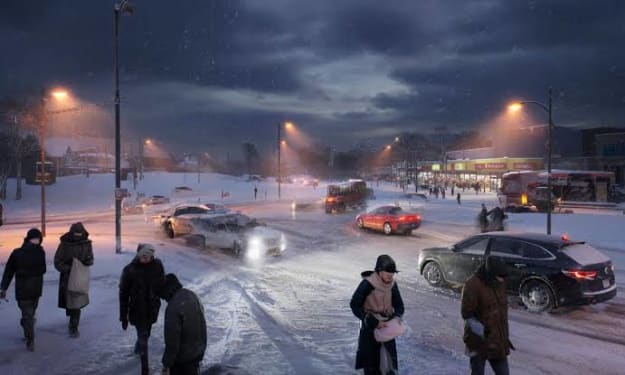
Weather officials have issued official and confirmed alerts warning that heavy snow will begin late tonight, bringing the risk of travel chaos, power outages, and dangerous conditions. The approaching system is expected to affect large areas, with forecasters urging residents to prepare now before conditions rapidly worsen. Authorities stress that this is not a routine winter storm. The combination of heavy snowfall, strong winds, and freezing temperatures could create serious problems for transportation, emergency services, and daily life. What We Know So Far According to weather agencies, snowfall is expected to start late tonight, intensifying overnight and continuing into the next day. Some regions could see several inches of snow in a short time, while higher elevations may receive even more. Key concerns include: Rapid accumulation making roads impassable Reduced visibility due to blowing snow Ice forming beneath fresh snowfall Sub-zero wind chills increasing the risk of frostbite Meteorologists have described this event as high-impact, meaning it has the potential to disrupt normal activities on a wide scale. Travel Disruptions and Road Safety Risks One of the biggest warnings centers on travel conditions. Snow-covered roads, black ice, and whiteout conditions could make driving extremely dangerous. Transportation officials are advising: Avoid non-essential travel once snow begins Expect highway closures and major delays Allow extra time if travel is unavoidable Keep emergency supplies in vehicles Airports may also face flight delays and cancellations, especially if snow accumulates faster than plows can clear runways. Rail services and public transportation systems could be slowed or suspended in the worst-hit areas. Power Outages and Infrastructure Strain Heavy snow combined with gusty winds raises the risk of power outages. Snow-laden tree branches can snap and fall onto power lines, while ice buildup can damage infrastructure. Utility companies are preparing for: Downed power lines Temporary service interruptions Increased demand for heating Residents are encouraged to: Charge phones and backup batteries Have flashlights ready Avoid using generators indoors Check heating systems in advance Even short outages can be dangerous during extreme cold, especially for elderly residents and families with young children. Schools, Businesses, and Public Services Affected Local authorities are closely monitoring conditions, with school closures and remote learning likely in some areas. Businesses may also delay opening hours or close entirely if travel becomes unsafe. Emergency services are preparing for: Increased accident calls Weather-related medical emergencies Delays in reaching rural or hard-to-access areas Officials stress that staying off the roads helps emergency responders reach those who truly need assistance. Dangerous Cold and Health Risks Beyond the snow itself, dangerously cold temperatures are another major concern. Wind chills could make it feel far colder than the actual temperature, increasing the risk of: Frostbite Hypothermia Slips and falls on icy surfaces Health experts recommend: Dressing in layers Covering exposed skin Limiting time outdoors Checking on vulnerable neighbors Pets should also be kept indoors whenever possible, as extreme cold can be life-threatening. Why This Storm Is So Serious What makes this storm especially dangerous is the timing and intensity. Snow arriving overnight gives road crews less time to prepare, and early-morning commuters may encounter hazardous conditions before clearing efforts are complete. Forecasters also warn that: Snow may fall faster than plows can keep up Winds could cause drifting and re-cover cleared roads Temperatures will remain low, preventing melting This combination increases the likelihood of prolonged disruption, even after snowfall slows. How to Prepare Before the Snow Begins Officials urge residents to take action before nightfall. Preparation now can prevent serious problems later. Recommended steps include: Stocking up on food, water, and medications Filling vehicles with fuel Securing outdoor items Checking weather updates regularly Planning to stay home if possible Simple steps can make a major difference when conditions deteriorate quickly. Stay Informed and Follow Official Guidance Weather alerts may be updated or expanded as the storm develops. Authorities recommend relying on: Official weather services Local emergency management updates Trusted news sources Ignoring warnings can put lives at risk. Even experienced winter drivers can be caught off guard by rapidly changing conditions. Final Thoughts With heavy snow officially confirmed to begin late tonight, the message from officials is clear: prepare now and take warnings seriously. This storm has the potential to disrupt travel, strain infrastructure, and create dangerous conditions across wide areas. Staying informed, avoiding unnecessary travel, and looking out for one another will be key to getting through the storm safely. Winter weather can be unpredictable, but early preparation and caution can help reduce its impact. As conditions worsen, safety—not speed or convenience—should be the top priority.
By Fiaz Ahmed a day ago in Longevity
Thoughts on Vocal and the way the world is
"Death cannot stop true love, only delay it." – Wesley in The Princess Bride. I decided to come back to Vocal on a very cold and dark night at the end of December. I had been, and still am, convalescing from a horrible staph infection that had gone misdiagnosed for months. This, paired with the increasing challenges of being healthy, making the best choices for my co-parented child, being a wife, and being a director at a new job, was a lot to manage.
By Jazzy 5 days ago in Confessions



Comments
There are no comments for this story
Be the first to respond and start the conversation.