
7 Myths About Gingivitis: Debunking Common Misconceptions
Gingivitis is an inflammation of the gums that can lead to serious dental problems if not treated in time. Although gingivitis is widely talked about, there are many myths and misconceptions that mislead people. In this article, we dispel seven common myths about gingivitis to help you better understand the disease and take steps to prevent and treat it.

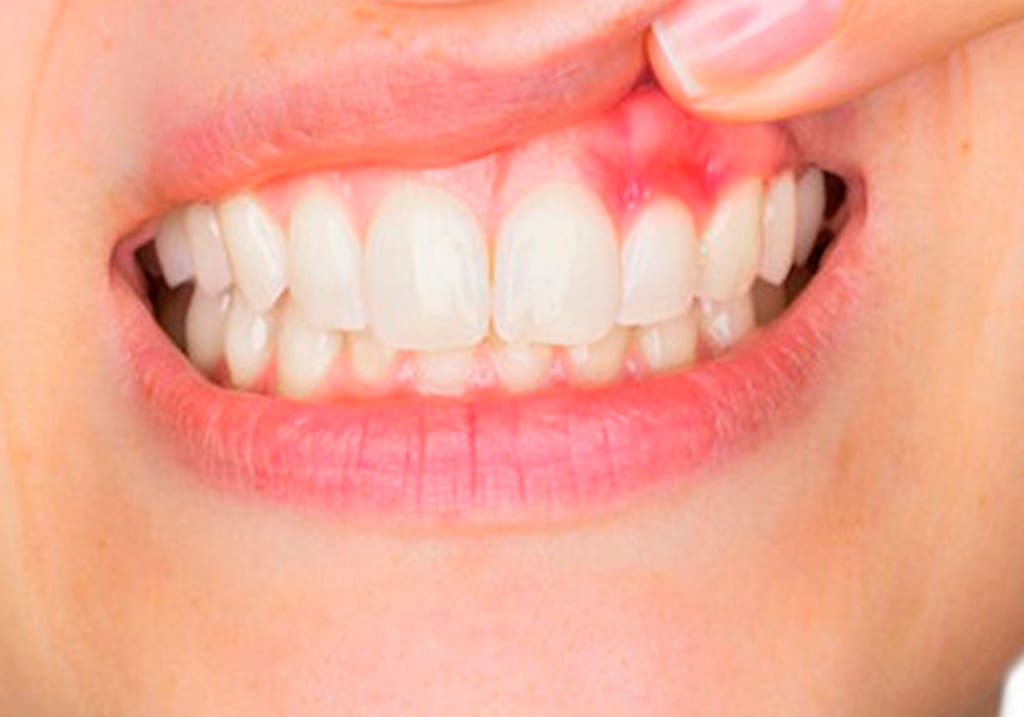
Gingivitis is an inflammation of the gums that can lead to serious dental problems if not treated in time. Although gingivitis is widely talked about, there are many myths and misconceptions that mislead people. In this article, we dispel seven common myths about gingivitis to help you better understand the disease and take steps to prevent and treat it.
Myth 1: Gingivitis is a mild inflammation that goes away on its own
One of the most dangerous misconceptions about gingivitis is that it is a temporary, minor inflammation that goes away on its own. If left untreated, gingivitis can progress to a more serious condition called periodontitis. Periodontitis is a chronic inflammation that can lead to the destruction of the bone tissue that supports the teeth and eventually tooth loss. Treating gingivitis on time can prevent it from developing into more dangerous forms of the disease.
Myth 2: If your gums don’t hurt, you don’t have gingivitis
Even though pain is one of the symptoms of gum problems, the absence of pain doesn’t necessarily mean there is no disease. Gingivitis can develop asymptomatically, especially in the early stages. Instead of pain, you can have redness, swelling of the gums, and bleeding when brushing your teeth. Ignoring these symptoms can cause gingivitis to go undetected and progress.
Myth 3: Gingivitis only occurs in people who brush their teeth poorly
While poor oral hygiene is indeed one of the leading causes of gingivitis, it is not the only factor. Some people may be more likely to develop gingivitis due to genetics, hormonal changes (such as during pregnancy), smoking, or even certain systemic diseases such as diabetes. Additionally, improper flossing or aggressive brushing can damage the gums and cause inflammation.
Myth 4: Gingivitis is an inevitable part of aging
Another misconception is that everyone gets gingivitis as they age. While the risk of developing the disease increases with age, this doesn’t mean that gingivitis can’t be prevented. Regular and proper oral hygiene, including visits to the dentist, can significantly reduce the risk of developing gum disease, even in older adults. Age alone does not cause gingivitis, but a combination of factors, such as a weakened immune system and long-term plaque buildup.
Myth 5: Rinsing your mouth with an antiseptic will completely prevent gum disease
Antiseptic rinses can be a useful addition to oral care, but they are not a substitute for regular brushing and flossing. Mouthwashes help reduce the amount of bacteria in the mouth, but they cannot remove plaque, the main cause of gum disease. To effectively prevent gum disease, brush your teeth twice a day, floss, and visit your dentist daily for a professional cleaning.
Myth 6: White teeth mean healthy gums
Many people mistakenly believe that the gums are in good condition if the teeth look white and healthy. However, tooth color and gum condition are not always related. It is possible to have white teeth and still have gingivitis. It is essential to pay attention not only to teeth color, but also to the condition of the gums - their color, structure, and signs of inflammation. Healthy gums should be pink and firm, with no signs of bleeding.
Myth 7: Only a dentist can treat gingivitis
While visiting the dentist is an important step in treating gum disease, self-care also plays an important role. A dentist can perform a professional cleaning, remove plaque, and provide care recommendations, but the patient should also maintain good hygiene at home. This includes brushing regularly, flossing, quitting smoking, and eating a healthy diet. Self-care is important to prevent recurrence and maintain your gums after professional treatment.
The bottom line
Gingivitis is a serious disease that requires prompt attention and treatment. Debunking the myths about gingivitis helps us better understand the nature of the disease and take steps to prevent it. Regular oral hygiene, attention to symptoms, and timely visits to the dentist are the most important factors that help maintain gum health and prevent the development of more serious diseases.
About the Creator
Amelia Grant
I am journalist, and blogger.
Keep reading
More stories from Amelia Grant and writers in Longevity and other communities.
Top 8 Cosmetic Dentistry Procedures
Cosmetic dentistry is an area of dentistry that focuses on improving the appearance of the teeth, gums, and overall smile. It includes many procedures that help achieve a perfect smile, increase self-esteem, and improve overall oral health. In this article, we look at eight of the most popular cosmetic dental treatments.
By Amelia Grantabout a year ago in Longevity
Day 4 of Quitting
If this is how sobriety feels, maybe it’s better to go through life a little buzzed… this, along with other hits like, I want to kill myself, I wish I was dead, and I’m going to throw myself off a bridge have been the only thoughts on rotation these past few days. I promise myself that if, in a month, I still feel like this (‘this’ meaning despondent, full of rage, and simultaneously numb) I can go back to smoking. Until mid-February though? Nicotine is off the table.
By sleepy drafts8 days ago in Longevity
The 20-Year Advantage: What Decades of Consistency Actually Look Like
You can spot them from across the gym floor. Not because they're lifting the heaviest weights or running the fastest. But because something about them doesn't add up. The numbers don't match the appearance. An 80-year-old woman with the posture and muscle definition of someone in their fifties. A 90-year-old man who moves with the ease of someone half his age.
By Destiny S. Harris2 days ago in Longevity


Comments
There are no comments for this story
Be the first to respond and start the conversation.