
7 Changes That Will Happen Once You Give Birth
All body changes are normal.


For many women, giving birth is one of the most meaningful events in their lives. This is when you experience unconditional love and wonderful feelings of being a mother. However, it’s also very painful and can leave many changes in your body. So if you’re preparing for the arrival of your baby, here are some changes you can expect to see as a result:
Loose skin
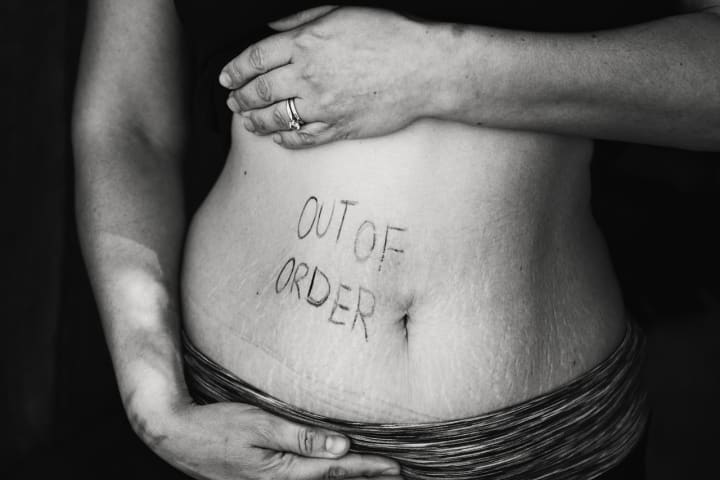
Did you know that your stomach will not deflate immediately after giving birth? Some women lose their pregnancy belly right away, while others stay with a bump for some time after childbirth. In some cases, the uterus needs time to return to its pre-pregnancy state, leaving women looking at about 6 months pregnant!
This is nothing to worry about. Just be patient, and your stomach will deflate slowly. Unfortunately, loose skin and stretch marks are often here to stay for much longer. Loose skin can often be solved with exercise and lotions, but if it doesn’t go back, it’s okay—there’s no use comparing your motherhood body with your pre-baby body.

Separated stomach muscles
Diastasis recti is a separation between two muscles in the abdomen caused by your growing womb. Your womb pushes your muscles apart, causing them to get longer and weaker.
Usually, this separation goes back to normal after 8 weeks from giving birth, but if it doesn’t, it’s smart to contact your doctor because diastasis recti can result in long-term back problems. In addition, watching your posture and doing some pelvic floor exercises can benefit your abdominal muscles.
Vaginal changes
In order to give birth naturally through the vaginal canal, the entrance to your vagina needs to stretch and let the child out. After a vaginal birth, expect your vagina to feel swollen and bruised—it’s completely normal and the pain should reduce in the upcoming days.
It’s also possible for your vagina to never go back to its previous condition. If the tightness doesn’t improve with time and pelvic floor exercises, it’s possible to have a vaginal tightening procedure that will gently affect the vaginal mucosa, stimulate the production of collagen and improve the functionality of the vaginal area. With laser therapy, it’s possible to restore the proper balance to the vagina and ensure a much more pleasant everyday life for mothers.

Back pain
During pregnancy, many women suffer from serious back pain caused by the loosening of ligaments and muscles along the spine and abdomen. After you’ve had your baby, this pain can continue until your muscles and ligaments go back to their previous state—it usually takes about six months postpartum for back pain to disappear.
Women with a history of back pain, intense back pain in pregnancy and weight issues might risk long-term back issues. To relieve back pain, make sure to maintain good posture while feeding your child, squat when picking up toys, change diapers on a raised surface and sleep with a back and neck support pillow.
Skin pigmentation
Due to all the changes and fluctuations in the hormone levels in your body during pregnancy and after childbirth, it’s possible to develop various skin pigmentation changes on the skin.
Within a year, most women lose any pigmentation marks, but it helps to use sunscreen and avoid overly harsh sun exposure. If you have any concerns about pigmentation, you can talk to your dermatologist and check your hormone levels.
Postpartum depression
Very rarely discussed, postpartum depression is a serious issue that affects many new mothers. The “baby blues” include mood swings, anxiety, insomnia and depression, usually starting within the first two to three days after delivery. Having postpartum depression is not a sign of weakness or bad parenting—it’s a normal side-effect of childbirth. It mostly goes away on its own, but there are also great therapists and support groups you can turn to for comfort and help.
Attachment issues
The dream is to create an instant bond with your baby as soon as its born, but that doesn’t happen for all mothers. If you don’t experience an instant connection, it’s possible to develop feelings of guilt, disappointment and stress. With proper support and relaxation, the attachment will come naturally within a few days or weeks after childbirth; if it doesn’t, therapy is the best choice that helps tremendously.
No matter the body changes after the baby comes, motherhood is still the best thing in the world. With some patience and effort, it’s possible to get your old body back, but even if you don’t, you have the best gift to show off for your sacrifice.
About the Creator
Sadie Brooks
If you like yoga, cooking, traveling, writing and reading, we might be best friends!
Keep reading
More stories from Sadie Brooks and writers in Longevity and other communities.
Always Wanted to Create Your Zen Garden? Here’s How to Do It
Do you often want to spend your free time outside and enjoy the fresh air and the sun while meditating, just like all those fitness and health gurus on Instagram? Of course, you do. But does your outdoor space spark relaxation, peace and mindfulness? Not really. Well, you can fix that issue with just a few affordable yet effective backyard remodel ideas that will not only make your backyard more presentable but also safer, more practical, more valuable for potential future buyers, and most importantly, more Zen. Here’s how you can remodel your backyard and create a small oasis of peace just for you and your family:
By Sadie Brooks3 years ago in Longevity
End of the Line: What Happens to Old Cruise Ships
Cruise ships are among the most recognizable symbols of leisure travel — enormous floating hotels that host thousands of passengers on vacations across the globe. But like all machines, they eventually reach a point when they can no longer operate profitably or safely. When that time comes, cruise ships face a stark reality: a long final voyage to dismantling yards where they are stripped, scrapped, and recycled. Why Cruise Ships Are Retired Cruise ships are retired for a number of reasons. Over time, they experience wear and corrosion, mechanical systems become outdated, and newer vessels with more efficient engines, amenities, and environmental technologies make older ships less competitive. Ships may also be decommissioned because meeting modern safety or emissions regulations becomes too costly relative to their value. When owners decide a vessel has reached the end of its economic life, it is often sold to intermediaries who resell it to ship breaking firms. These buyers determine the most cost‑effective way to recoup value from the ship’s components and materials. The Final Voyage to the Breaking Yard Most retired cruise ships make their final journey under their own power or are towed from their last port to one of the world’s major ship breaking yards. These facilities are concentrated primarily in South Asia — especially in India, Pakistan, Bangladesh, and Turkey — where large tidal beaches or specialized dry docks make ship dismantling possible. One of the largest and most well‑known is the Alang Ship Breaking Yard in India, which has handled a vast number of decommissioned ships over the decades. Here, vessels are deliberately run aground on a tidal beach in a process known as “beaching.” The rising tide lifts the ship close enough to shore that it can be worked on as the tide recedes. Other yards, such as Gadani in Pakistan and recycling facilities in Aliağa, Turkey, also receive retired cruise ships, where dismantling is carried out either on beaches or more controlled slipways using cranes and mechanical tools. Cruise Hive Shipbreaking: A Labor‑Intensive Process Once a ship arrives at a yard, any salvaged equipment is removed first — everything from furniture, fittings, fixtures, and even electrical components can be sold or reused. Small retailers often purchase these items locally, making a living by selling ship artifacts and materials. Then begins the painstaking dismantling phase. Workers using torches and cutting tools slice through the ship’s superstructure and hull, gradually reducing the massive vessel to its core materials. This process is labor‑intensive and can take months, during which steel plates, pipes, and other materials are separated and prepared for recycling. The vast majority of the ship’s steel and metal components are recycled — melted down and re‑rolled for use in construction, manufacturing, and other industries. As much as 85–90 % of the material from decommissioned ships is salvaged this way. Environmental and Safety Concerns Ship scrapping has long been associated with environmental and labor challenges. Older vessels often contain hazardous materials such as asbestos, heavy metals, toxic paints, and oils. Without proper safeguards, these substances can contaminate soil, coastal waters, and air, posing risks to nearby communities and ecosystems. Workers in traditional breaking yards sometimes operate with minimal protective equipment, increasing the risk of serious injuries and chronic health problems. Recognizing these hazards, the Hong Kong Convention for the Safe and Environmentally Sound Recycling of Ships was adopted to improve safety and environmental practices in ship recycling facilities worldwide. Though adopted years ago, it only entered force recently, and implementation varies among ship breaking locations. Facilities in Turkey’s Aliağa zone have invested in more modern recycling methods, using dry docks and mechanical equipment to reduce direct contact with hazardous materials and limit environmental impact — but such practices are still not universal. Alternative Futures for Retired Ships Not all cruise ships end up scrapped. Some are sold to other cruise lines or repurposed for other uses. A few historic vessels have been transformed into floating hotels, museums, or tourist attractions — preserved as monuments to maritime history rather than dismantled. However, these alternative futures are rare, and the vast majority of cruise ships end their days on the beaches of recycling yards, cut apart and reborn as steel and materials that fuel other industries. In that sense, even in retirement, these massive vessels continue to make an impact long after their final passengers disembark.
By Fiaz Ahmed a day ago in Longevity
The Hidden Cost of "Safe" Senior Living: When Retirement Dreams Turn Into Legal Battles
Older Americans often view senior housing as a reward after years of effort. These places, such as self-contained apartments or full-service retirement homes, advertise professional care, calm routines, and peace of mind. Loved ones might picture them as quiet refuges.
By William Powell5 days ago in Longevity



Comments
There are no comments for this story
Be the first to respond and start the conversation.