
6 Steps to Take When Entering the Menopause Stage of Life
A Women's Health Guide
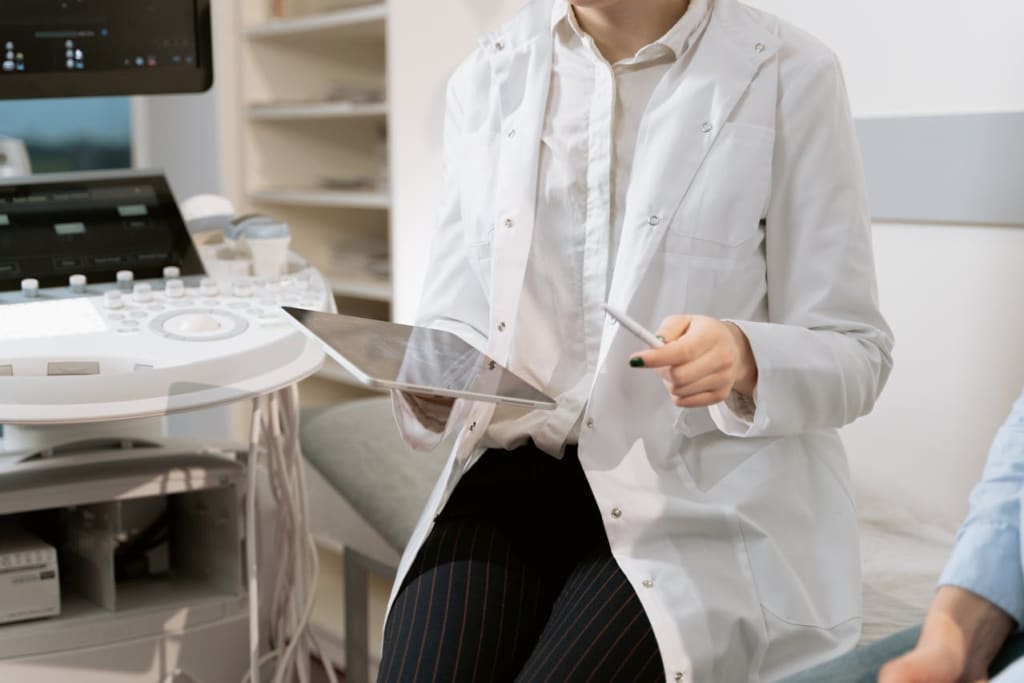
For many women, entering the stage of menopause is of extreme importance. It is marked as the ending of reproductive years; it comes with various physical and emotional changes. Understanding how to navigate this period can make the experience much smoother and more manageable. Here are six key steps that you should take as you enter menopause.
Educate Yourself About Menopause
Knowledge is power, especially when it comes to menopause. Start with some education on what it means to be in menopause and more or less what changes you may expect. Your most common symptoms are probably going to be hot flashes, night sweats, mood swings, and irregularities in your menstrual cycles. The better you understand those changes, the better prepared you'll be for what's happening and thereby diminish your anxiety. So try books, good websites, and seminars. Understanding menopause empowers you and also enables you to have informed discussions with your healthcare provider about your health and well-being.
See a Healthcare Professional
A visit to a healthcare provider is an integral part of management. Regular check-ups are indispensable to monitor your health, talk about any symptoms you may be having, and choose a supportive and knowledgeable gynecologist. For instance if you live in Richmond then, searching for a gynecologist in Richmond, VA is one of the best ways to find a provider experienced in menopause management. They will be able to guide you through your symptoms, treatment options, and lifestyle changes that should make this transition easier for you. If concerns arise about hormone replacement therapy (HRT) or other treatment options that may help relieve your symptoms, don't hesitate to ask questions.
Healthy Lifestyle
One of the best ways to control menopause symptoms is a healthy lifestyle. Dine on a balanced diet, consisting of fruits, vegetables, whole grains, and lean proteins, to keep your energy and general health up. Exercise regularly: It will help change mood and mitigate hot flashes, mainly by improving sleep. Other exercises such as walking, and yoga are considered helpful for stress management and flexibility. In addition, drinking enough water and limiting caffeine and alcohol consumption can limit some of the discomforts associated with the menopausal transition.
Prepare for Emotional Changes
Emotional changes are also prevalent during menopause, such as anxiety and mood swings. Understand that you will need to work through such emotions as part of the transition process. It is often helpful to talk with a therapist or to join a support group and meet others with related issues. Socializing and talking about your feelings is unbelievably therapeutic. Mindfulness practices also include meditation and deep breathing, which are very helpful in the management of stress. Sometimes the journal or the notebook proves very helpful as an outlet to pour out one's thoughts and emotions. Proactive care of one's mental health is equally important at this stage compared to the physical stage.
Alternative Therapy
Many women find relief for their menopause symptoms by using alternative treatments. Some options may sound better, like acupuncture, herbal supplements, or essential oils, and each of these should be discussed with your health care provider prior to attempting them. The provider can use information about your health care history to guide recommendations about what might be safe and effective. Many women also seek out some of the natural approaches, such as black cohosh or evening primrose oil. Always do your homework and consult experts so that you are properly prepared with regard to any health issues.
Stay In Touch With Friends And Family
Holding on to people after menopause is very important. Some times, good friends and the family will give you that emotional comfort and understanding. Seek help from someone you can trust; perhaps many women at some point in their lives have passed through or are crossing similar steps together. Other ways in which you can lose focus from the inconveniences you may be facing, such as being busy in social events. This is through activities that take you closer to people for example joining a book club, working out, and spending time with family. These can help improve your life greatly in case you are passing into menopause.
Conclusion
Entering the menopause stage of life is, as in other aspects of life, a normal part of aging that comes with its own set of challenges and opportunities for growth. Educate yourself, seek healthcare providers, and concentrate on a healthy lifestyle, look after emotional changes, alternative treatments, and stay connected with the family. Every woman will experience a different time of menopause, so we need to find out what is best for her. This transition period should be welcomed with the right approach, with confidence, as there will be all the support and necessary resources for you.
About the Creator
Keep reading
More stories from Samantha Higgins and writers in Longevity and other communities.
5 Advancements in Dermal Filler Procedures
Over the years, dermal filler treatments have changed dramatically to provide more exact, customized outcomes fit for a broad spectrum of aesthetic goals. Originally just utilized for basic wrinkle treatment, today's dermal fillers are used for anything from precisely sculpting features to restoring face volume. These developments have made dermal fillers among the most sought-after non-surgical cosmetic procedures available globally as they give patients safe, efficient ways for rejuvenation.
By Samantha Higginsabout a year ago in Longevity
Beginner Workout Routine at Home Without Equipment (Step-by-Step Full Body Guide)
Introduction Starting a fitness journey can feel overwhelming, especially for beginners who do not have access to a gym or expensive workout equipment. Many people want to improve their health and strength but are unsure where to begin or worry that working out at home may not be effective. The good news is that you do not need a gym membership or specialized machines to build a strong and healthy body. A well-structured beginner workout routine at home without equipment can help you develop strength, improve endurance, and establish a sustainable fitness habit.
By Core Well Fit4 days ago in Longevity
🧓 The Best Breakfast for the Elderly
Breakfast is often called the most important meal of the day, and for older adults, it plays an even bigger role in maintaining health and energy. After a long night without food, the body needs nutrients to restore energy levels and support normal body functions.
By Being Inquisitive2 days ago in Longevity



Comments
There are no comments for this story
Be the first to respond and start the conversation.