
5 Ways to Improve Your Oral Health Through Better Dental Hygiene
Here are just a few simple ways that you can improve your dental hygiene right now.


Proper dental hygiene doesn’t just keep your teeth sparkling white. It’s also essential for preventing gum disease, tooth decay, tooth loss, and even more serious conditions. For example, did you know that poor oral health has been linked to heart disease? It’s not difficult to maintain proper oral hygiene, but a lot of people are doing it wrong.
1. Brush Your Teeth Like a Pro
We all brush our teeth, but how many of us are doing it correctly? The American Dental Association recommends all of the following:
- Brush at least twice a day (including before bed)
- Brush for at least two minutes every time
- Use a fluoride toothpaste
In addition, you should floss at least once per day, use an antiseptic mouthwash after brushing and flossing, and replace your toothbrush at least every 3 to 4 months.
2. Cut Back on the Sugar
This is a tough one for a lot of us, but sugar can wreak havoc on your teeth. Sugar causes plaque-based bacteria to produce acids that attack the tooth enamel. Over time, this can wear away the enamel and contribute to tooth decay.
You don’t have to cut out sugar entirely, but you should limit it as much as possible. Also, be sure to always brush your teeth after consuming sugary foods and drinks. Some experts recommend that no more than 10% of your daily calories come from sugar (and no more than 5% from added sugars).
You can substitute sugary treats for naturally sweetened and sugar-free alternatives. Just read the labels carefully, as low-sugar alternatives sometimes have higher saturated fat, which comes with tradeoffs of its own.
And while we’re on the subject of “cutting back,” it’s also a good idea to limit your alcohol consumption. Alcohol can also irritate the gums and weaken tooth enamel, so moderation is very important.
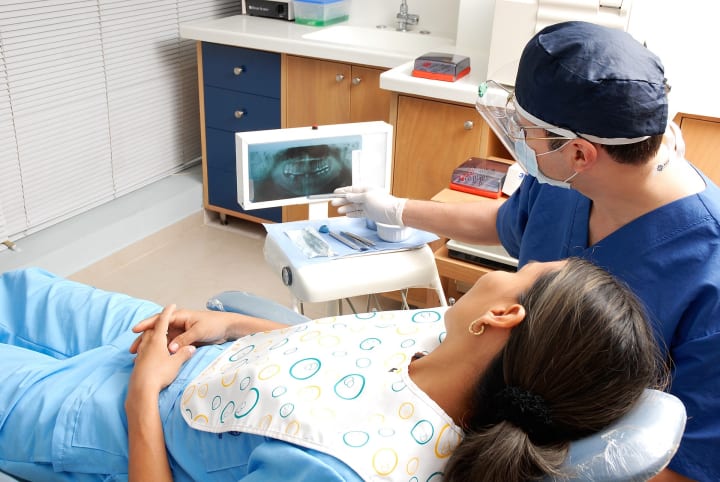
3. Visit Your Dentist Twice a Year
You should be visiting your dentist at least every 6 months for routine checkups and periodontal maintenance. Your dentist can spot small cavities and other issues before they turn into big oral health problems. It may be inconvenient, or even scary, but it will save you from more serious dental appointments down the line.
If seeing a dentist causes you significant anxiety, look for a dental practice that specializes in working with uneasy patients. Be honest and upfront about your concerns when making the appointment. Some dental professionals excel in creating an inviting, non-intimidating environment.
4. Use Caution With Whitening Treatments
Teeth whitening can improve the look of your teeth when done correctly, but it can also cause some serious damage when the appropriate precautions aren’t heeded. For example, if you’re trying to minimize clear aligner stains or brighten up porcelain veneers, you might be tempted to use an at-home whitening treatment. However, whitening agents should never be used on these types of dental products.
In addition, some over-the-counter whitening treatments have been known to contribute to enamel erosion—especially when overused or used improperly. If you do want to get your teeth whitened, first determine if you would be a good candidate. Then talk to your dentist about a professional whitening treatment in the office.
5. Avoid Grinding Your Teeth
Bruxism (persistent teeth grinding) can wear the tooth enamel and damage the teeth over time. It can also contribute to problems like headaches, face soreness, and even jaw misalignment. Bruxism may be brought on by stress, age, heredity, or the use of certain medications like antidepressants. No matter what the cause, it’s important to get this condition under control as quickly as possible.
If you struggle with bruxism, visit your healthcare provider right away. Your doctor may be able to help you correct the problem using muscle relaxants, cosmetic dental correction, or a mouthguard.
One Last Thing: Be Good to Your Whole Self
Good dental hygiene is essential for preserving your oral health, but it’s not the whole story. If you want to maintain healthy, sparkling teeth, you need to take care of your whole self. Even seemingly unrelated health issues can compromise your oral health. For example, unmanaged diabetes has been shown to lead to gum disease since high blood sugar means more sugar in the saliva. In addition, drug abuse is a major contributor to tooth decay and tooth loss. If one system of the body is negatively affected, they’re all negatively affected.
So when you’re considering how to maintain healthy teeth, don’t just think about how you care for the teeth themselves. By committing to general health and hygiene practices from head to toe, you can be sure that your oral health is in order.
About the Creator
Aaron Smith
Aaron is a content strategist and consultant in support of STEM firms and medical practices. He covers industry developments and helps companies connect with clients. In his free time, he enjoys swimming, swing dancing, and sci-fi novels.
Keep reading
More stories from Aaron Smith and writers in Longevity and other communities.
Day 4 of Quitting
If this is how sobriety feels, maybe it’s better to go through life a little buzzed… this, along with other hits like, I want to kill myself, I wish I was dead, and I’m going to throw myself off a bridge have been the only thoughts on rotation these past few days. I promise myself that if, in a month, I still feel like this (‘this’ meaning despondent, full of rage, and simultaneously numb) I can go back to smoking. Until mid-February though? Nicotine is off the table.
By sleepy drafts11 days ago in Longevity
The Hidden Power of the Nerve Endings in Your Feet
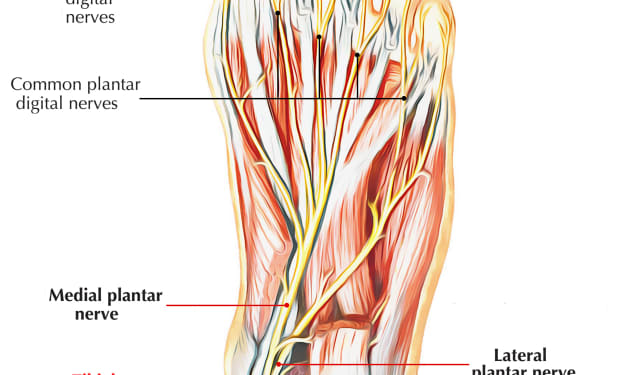
Most people don’t give much thought to their feet unless they’re uncomfortable or tired. Yet beneath the surface, the nerve endings in the feet are constantly working, sending vital information to the brain that influences balance, posture, and movement. These signals operate quietly in the background, but they play a far greater role in daily life than many people realize.
By AhmedFitLife4 days ago in Longevity


Comments