
5 Tips to Help Support Hearing Loss
Read this article to learn more

Hearing loss can have a huge impact on your life, but it doesn’t have to stop you from leading an active, independent life. Whether you’re experiencing hearing loss due to age, noise exposure, or another factor, there are many things you can do to support your hearing health. In this blog post, we’ll cover 5 tips to help you manage hearing loss and continue living a full life.
1) See a Doctor
If you are experiencing hearing loss, it is important to see your doctor as soon as possible. Regular visits to a doctor can help ensure any underlying medical conditions that may be causing or contributing to the hearing loss are diagnosed and treated.
2) Use Assistive Devices
If you’re struggling with hearing loss, a hearing aid may be a great way to get back some of your hearing ability. Hearing aids are small, electronic devices that can amplify sound, so it is easier to hear and understand. They are tailored to fit the needs of each individual user and come in different styles and sizes.
A doctor or audiologist should be consulted to determine the right kind of hearing aid for you, as there are many factors to consider such as your type and degree of hearing loss, lifestyle and budget. There are also several types of hearing aids available, including behind-the-ear (BTE), in-the-ear (ITE) and in-the-canal (ITC). Additionally, some hearing aids are digital, which allow for more features and customization than analog hearing aids.
Hearing aids can help you better understand conversations in quiet and noisy environments, as well as enable you to hear sounds like music or birds singing. With proper care and maintenance, hearing aids should last for several years and make a big difference in improving communication.
3) Change Your Diet
Eating the right foods can help you maintain and protect your hearing health. There are certain vitamins and minerals that are essential for hearing and there are foods that contain these nutrients that you should add to your diet.
Vitamins B, C, D and E, as well as folic acid, zinc and magnesium, are all important for protecting your hearing. Eating a balanced diet with plenty of fresh fruits and vegetables can help provide your body with these essential vitamins and minerals. You should also focus on eating foods that are high in omega-3 fatty acids, which have been found to improve hearing. Foods such as fatty fish, nuts, and seeds are all excellent sources of omega-3 fatty acids.
You should also avoid certain foods that can be harmful to your hearing. High levels of sodium, processed sugars, and saturated fats can all have a negative impact on your hearing. Limiting or eliminating these types of foods from your diet can help keep your ears healthy.
Finally, it is important to stay hydrated by drinking plenty of water throughout the day. Drinking enough water helps support the ear’s natural functions, so make sure you get your daily recommended amount.
4) Protect Your Ears
Hearing loss can be caused by a variety of factors, including long-term exposure to loud noises. To avoid further damage to your hearing, it's important to take steps to protect your ears.
First, make sure you avoid situations that can put your ears in danger. This includes avoiding loud sounds and wearing earplugs when necessary.
Second, be sure to take regular breaks from noisy environments. Give your ears a break by taking a few minutes away from the noise. This will help you prevent long-term hearing damage.
Third, consider using noise-canceling headphones when you're in a loud environment. These can be helpful in reducing the volume of the sound you're exposed to.
By following these tips, you can help protect your hearing and prevent further damage from occurring.
5) Dietary Supplement
Designed to support healthy hearing and mental sharpness using a natural formula. These drops are taken orally daily and will assist you with hearing your loved ones clearly. If you want to learn more, click here now.
About the Creator
Keep reading
More stories from Patrisha Herbert and writers in Longevity and other communities.
Over 35 and your Metabolism seems Non-Existent
Do you ever feel like you're stuck in a rut, going through the motions of everyday life without much excitement or enthusiasm? It's a common feeling, but it doesn't have to be your reality. There are many ways to help you energize your life with positive habits and routines that will bring joy and purpose to your day-to-day activities.
By Patrisha Herbert3 years ago in Motivation
As more farmers seek assistance, the mental health crisis in farming communities continues to grow.
As the emotional toll of modern farming increases, more farmers in agricultural communities in the UK and Canada are seeking mental health support. According to recent reports, not only is there a growing need for assistance, but also the underlying difficulties that cause a lot of people in the farming industry to struggle with stress, isolation, financial anxiety, and deteriorating health. According to recent reports from farming communities, farmers are turning to charities and agricultural support organizations that offer listening services, helplines, and outreach to those in distress for mental health support.
By Raviha Imran2 days ago in Longevity
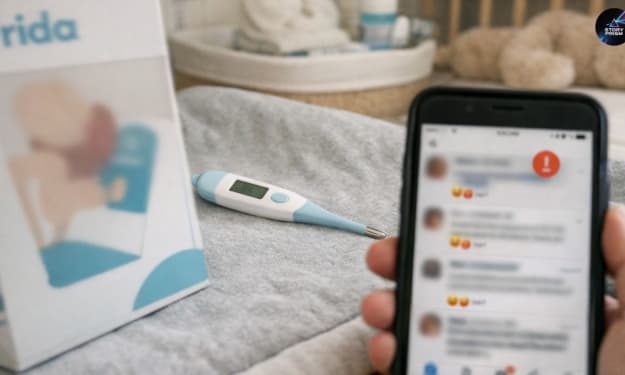
FridaBaby Faces Backlash Over Alleged Sexualized Marketing of Infant Products
The baby-care brand FridaBaby, known for products such as the NoseFrida nasal aspirator and infant thermometers, is facing a surge of online backlash following the resurfacing of old marketing materials featuring suggestive and sexualized language. Social media users have widely circulated screenshots of posts and product packaging, criticizing the brand for content deemed inappropriate for items designed for infants.
By Story Prism4 days ago in Longevity



Comments
There are no comments for this story
Be the first to respond and start the conversation.