
5 Signs Your Back Pain Might Be an Emergency
In our 20s and 30s, "normal" back discomfort is frequently caused by daily activities such as sitting for too long, bringing up children, or overdoing it when exercising.

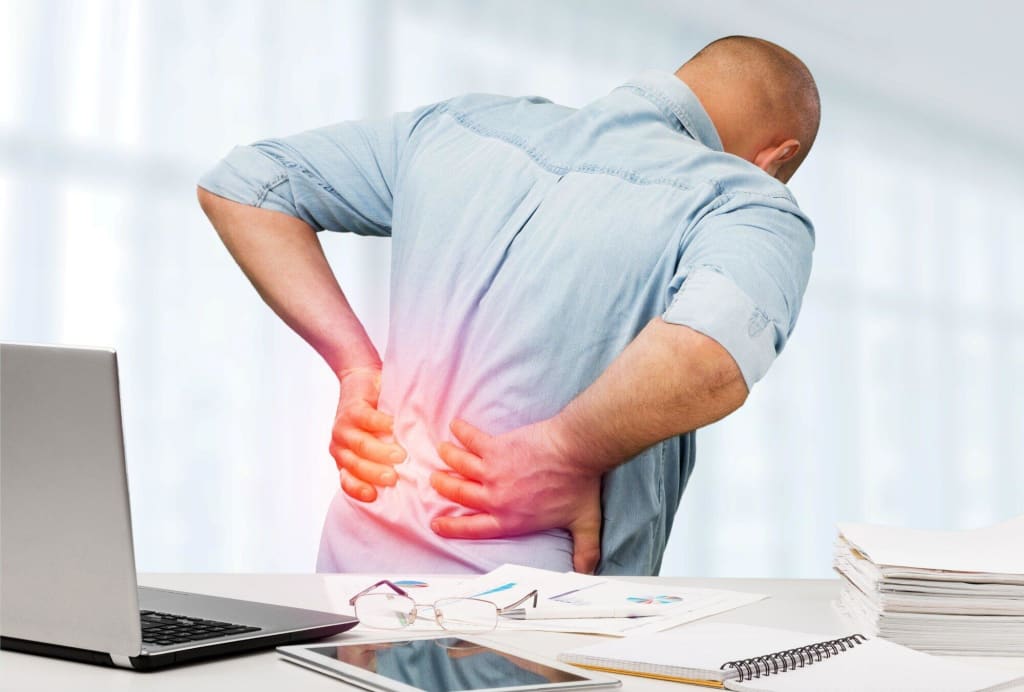
In our 20s and 30s, "normal" back discomfort is frequently caused by daily activities such as sitting for too long, bringing up children, or overdoing it when exercising.
Work injuries, as well as the onset of arthritis and degenerative disorders, are more common among those in their forties and older.
Back pain is so frequent that many individuals ignore symptoms that could signal a medical concern.
Approximately 80% of adults will have back pain at some point in their lives, so it's critical to be able to recognize the intensity of your symptoms and measure how long they stay.
If back pain is caused by a specific action, such as lifting or twisting incorrectly, and the pain resolves within 72 hours of resting and using ice, there is usually nothing to worry about. However, if the pain develops gradually, arises unexpectedly, or persists, you may have a more serious issue.
5 sensations that might indicate a medical emergency
1. Sharp pain rather than a dull one:
This could be a torn muscle or ligament, or an issue with an internal organ in the back or side. If the pain worsens with movement or deep breathing, it may point to an issue like a rib fracture or pleurisy. Ignoring sharp pain might delay the diagnosis of conditions like kidney stones or aortic aneurysms, which require urgent care.
2. Radiating pain:
This pain "moves" or shoots to the glutes or legs, which could indicate a nerve compression condition. Radiating pain could be a sign of nerve damage. It may also be associated with herniated discs or conditions like sciatica that can worsen over time. Persistent radiating pain should prompt immediate evaluation to prevent long-term nerve damage.
3. Sudden weakness in the legs:
Limb weakness can be caused by compressed nerves in the spine due to conditions like sciatica or spinal stenosis. However, sudden leg weakness could also indicate a stroke. If this weakness is accompanied by numbness or loss of coordination, it could point to a severe neurological issue. Delaying treatment might result in permanent mobility problems.
4. Incontinence:
Back pain paired with an inability to control the bowels or bladder might be a sign of serious nerve compression or a spine infection, such as discitis or meningitis. This combination of symptoms could also indicate cauda equina syndrome, a rare but severe condition requiring immediate surgery. Early intervention can prevent long-term complications like permanent incontinence.
5. Numbness or pins and needles in the groin or glutes:
This is known as saddle anesthesia and is also a sign of a serious nerve or spine condition. It often accompanies cauda equina syndrome or advanced spinal stenosis. Left untreated, the underlying condition can lead to irreversible nerve damage and loss of function. Seeking prompt medical attention is critical for preserving nerve health.
If you suffer leg weakness, incontinence, and numbness, you may have cauda equina syndrome, a dangerous disorder caused by spinal cord nerve injury. This is a medical emergency, and most patients require a back pain doctor.
Other conditions that cause back pain in older adults
We frequently observe a variety of less severe but painful spine disorders in seniors. Most people with these diseases will not need surgery. Symptoms can typically be managed with physical therapy, medicine, injectable anesthetics, or a combination of these treatments.
- Degenerative disc degeneration, which can cause pain across the spine, and lumbar arthritis, which typically causes low-back pain, both develop with age and are considered wear-and-tear disorders.
- Sacroiliitis is an inflammation of the joints connecting your spine and pelvis. This ailment may produce pain in the lower back, glutes, and upper legs.
- Ankylosing spondylitis is an inflammatory arthritis that causes patients' spines to stiffen, resulting in a constant leaned forward stance and back pain.
- We also look for adult degenerative scoliosis and kyphosis, both spine-curving disorders that can cause back discomfort and weakness in the lower extremities.
About the Creator
Amelia Grant
I am journalist, and blogger.
Keep reading
More stories from Amelia Grant and writers in Longevity and other communities.
8 Questions to Ask Your Dental Hygienist?
When you visit your dentist for check-ups and cleanings, you have an excellent opportunity to ask a trained dental hygienist any oral hygiene questions you may have. A professional dentist or hygienist will listen to your questions and concerns and offer answers or help as required.
By Amelia Grantabout a year ago in Longevity
Day 4 of Quitting
If this is how sobriety feels, maybe it’s better to go through life a little buzzed… this, along with other hits like, I want to kill myself, I wish I was dead, and I’m going to throw myself off a bridge have been the only thoughts on rotation these past few days. I promise myself that if, in a month, I still feel like this (‘this’ meaning despondent, full of rage, and simultaneously numb) I can go back to smoking. Until mid-February though? Nicotine is off the table.
By sleepy drafts9 days ago in Longevity
How I Learned to Love My 600 Square Foot Apartment (And Make It Work!)
When "Cozy" Really Means "Tiny" When I first moved into my urban apartment three years ago, I stood in the middle of my 600 square feet and had a minor panic attack. Where would everything go? How could I fit a living room, bedroom, office, and dining area into what felt like a glorified closet?
By Usman Animakera day ago in Longevity


Comments
There are no comments for this story
Be the first to respond and start the conversation.