
5 Pelvic Physiotherapy Facts You Should Know About
Pelvic Floor Therapy

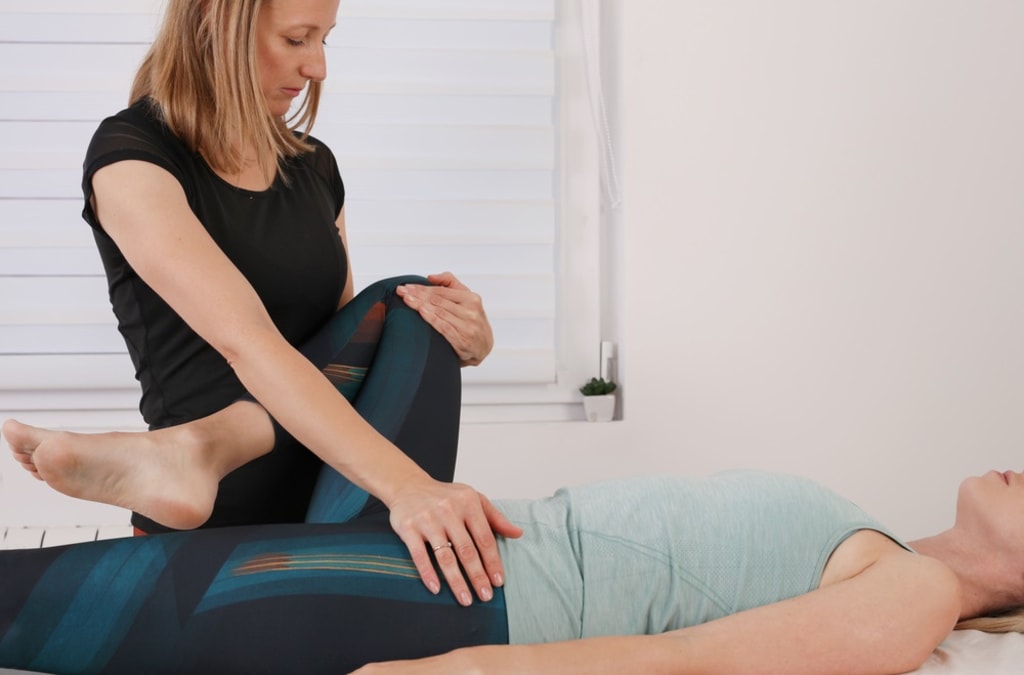
Exercises, education, lifestyle modifications, and hands-on treatment could bring significant improvement to your pelvic floor function. Visiting reputable pelvic floor physiotherapy in Dubai could decrease and even eliminate your symptoms.
The therapy includes assessment and treatment of muscles that are involved with bowel, urinary, and sexual function. Poor or improper function of these muscles leads to incontinence, increased urgency and/or frequency, pelvic pain, and retention in which you are unable to fully relieve yourself.
Read on below to know 5 important facts about pelvic floor physiotherapy:
1. It is a lot more than Kegels
Weak pelvic muscles can lead to symptoms like prolapse, incontinence, along with urinary frequency and urgency. Kegels or pelvic floor strengthening exercises can help with weak pelvic muscles and pelvic health. However, Kegels are not always the ideal solution for your symptoms.
Pelvic floor muscles can become tight like any other muscle that leads to pelvic pain, weak or hesitant stream, feeling of incomplete bladder/bowel, and pain after sexual activity. The aim is to have a strong, not tight pelvic floor. There are exercises for relaxation and gently stretched to release the tension from the pelvic floor muscles.
2. Pelvic Floor Physiotherapy Benefits Everyone
Anyone can have pelvic floor dysfunction. That’s why they can benefit from getting a session from a pelvic floor specialist.
Here are a few examples of how getting pelvic physiotherapy could be advantageous for some people:
Prenatal & Postpartum
This is when pelvic problems surface usually. Growing a baby, labor, and recovery postpartum take a toll on a woman’s body as their bodies go through a lot of change in a short span. They might suffer from pain around their lower back, tailbone, hips, and pelvis. Also, they may face urgency and frequency, incontinence, heaviness, and painful sexual intercourse. Pelvic physiotherapy addresses all these symptoms.
Post Menopause
Women’s estrogen levels decrease during menopause. Estrogen helps with ensuring optimal function in the pelvic floor region. Women might experience symptoms such as heaviness/bulging, pelvic pain, incontinence, urgency, and frequency. Getting Pelvic pain therapy could improve symptoms significantly.
Men
The most common pelvic floor issues in men are chronic pelvic pain, chronic prostatitis, post-surgical, and post-prostatectomy. The signs are a feeling of incomplete bladder/bowel movement, pelvic pain, incontinence, slow/weak stream, and erectile dysfunction. These can be improved through manual exercises and techniques.
Post-surgery
It is common for pelvic floor concerns to arise after undergoing abdominal or pelvic surgery. This can be due to prolonged catheterization or the surgery itself. Post physiotherapy treatment works towards reducing pain and improving scar mobilization.
3. Pelvic Floor is Your Core’s Component
Your core begins with the diaphragm and ends at the pelvic floor. It includes abdominal, lower back, and pelvic floor muscles along with diaphragm. These muscles support abdominal contents together. Pelvic physiotherapy assesses the parts of the core and works on treatment methods for good core function.
4. Pelvic Floor Physio Sessions
The physiotherapist is going to take your detailed history, followed by an external exam that includes an assessment of your posture, flexibility, and strength of your lower back, hips, and pelvis. An external and internal exam of pelvic floor muscles may take place. The physiotherapist creates a treatment plan according to the assessment findings, including advice, exercises, manual therapy, and education.
5. It is not Painful
There might be some discomfort with some treatments. However, it is not a painful process. The physiotherapist seeks to find the causes of the symptoms during the assessment. For example, if you have pain in the lower back, they would want to see the movement of your back to find out why it causes pain.
Pelvic floor dysfunction affects both men and women. It is more common than you think. Consult a physiotherapy clinic in Dubai if you feel any of the above symptoms.
About the Creator
Keep reading
More stories from writers in Longevity and other communities.
Day 4 of Quitting
If this is how sobriety feels, maybe it’s better to go through life a little buzzed… this, along with other hits like, I want to kill myself, I wish I was dead, and I’m going to throw myself off a bridge have been the only thoughts on rotation these past few days. I promise myself that if, in a month, I still feel like this (‘this’ meaning despondent, full of rage, and simultaneously numb) I can go back to smoking. Until mid-February though? Nicotine is off the table.
By sleepy drafts18 days ago in Longevity
Japan Orthopedic Prosthetics Market Size and Forecast 2025–2033
Japan Orthopedic Prosthetics Market Overview Japan’s orthopedic prosthetics market is entering a new phase of steady and technology-driven expansion, shaped by demographic shifts, healthcare modernization, and rising awareness of mobility restoration solutions. According to Renub Research, the Japan Orthopedic Prosthetics Market is expected to reach US$ 163.04 million by 2033, up from US$ 104.65 million in 2024, growing at a CAGR of 5.05% from 2025 to 2033.
By Renub Research6 days ago in Longevity




Comments
There are no comments for this story
Be the first to respond and start the conversation.