
10 Unique and Uncommon Vegetables to Try
10 Unique and Uncommon Vegetables to Expand Your Culinary Horizons
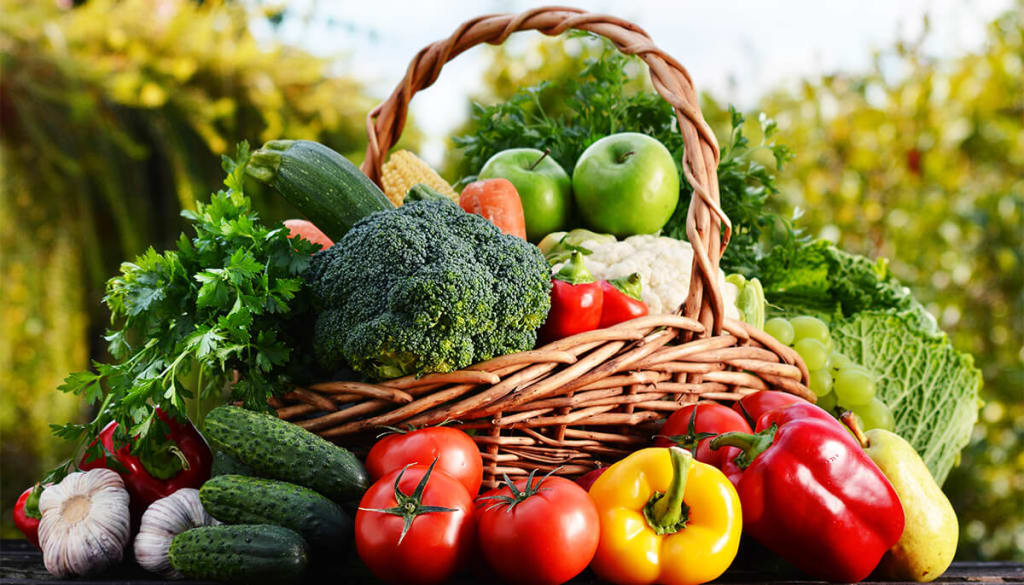
Eating a diverse array of fruits and vegetables is essential for maintaining a healthy diet. Not only do different types of produce offer varying nutritional benefits, but exploring new and unusual varieties can also make mealtime more exciting.
These vegetables may not be as common as carrots, potatoes, and broccoli, but they are worth trying for their unique flavors and nutritional benefits.
Try incorporating some of these uncommon vegetables into your next meal for a fun and delicious way to add variety to your diet.Here are 10 unique and uncommon vegetables to add to your shopping list and try out in your cooking;
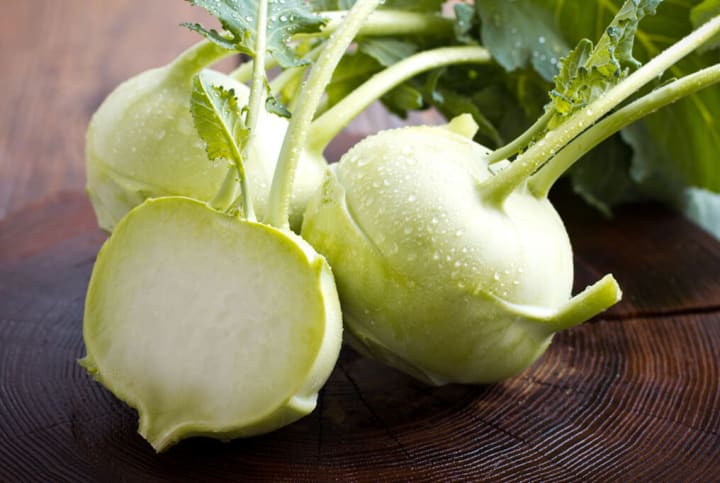
Kohlrabi:
This strange-looking vegetable, also known as a German turnip, is a member of the cruciferous family. It has a mild, slightly sweet flavor and can be eaten raw or cooked. Kohlrabi is also a very nutritious vegetable.
It's low in calories and a good source of vitamin C, vitamin B6, potassium, and dietary fiber. It also contains small amounts of other important vitamins and minerals, such as vitamin K, folate, and calcium.Try it grated in salads or sliced and roasted as a side dish.
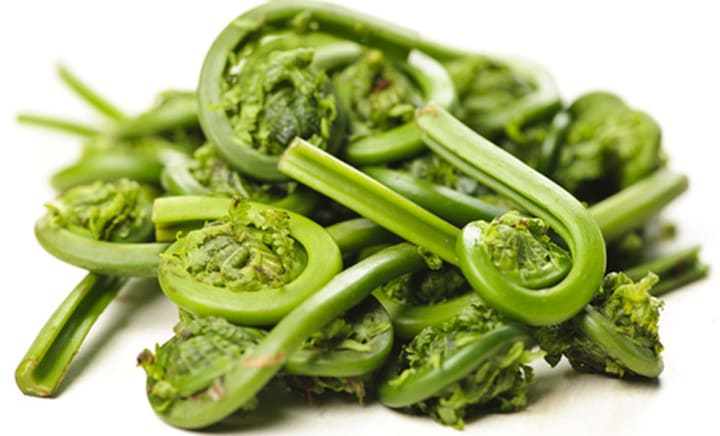
Fiddleheads:
These young, tightly coiled fronds of the ostrich fern are only available for a short time in the spring. Fiddleheads are a highly sought-after delicacy, and for good reason. They are a rich source of antioxidants, vitamin A, vitamin C, and iron.
They also contain small amounts of other important vitamins and minerals, such as vitamin K, folate, and potassium. They are also low in calories and a good source of dietary fiber.They have a unique, slightly nutty flavor and are often sautéed or steamed.
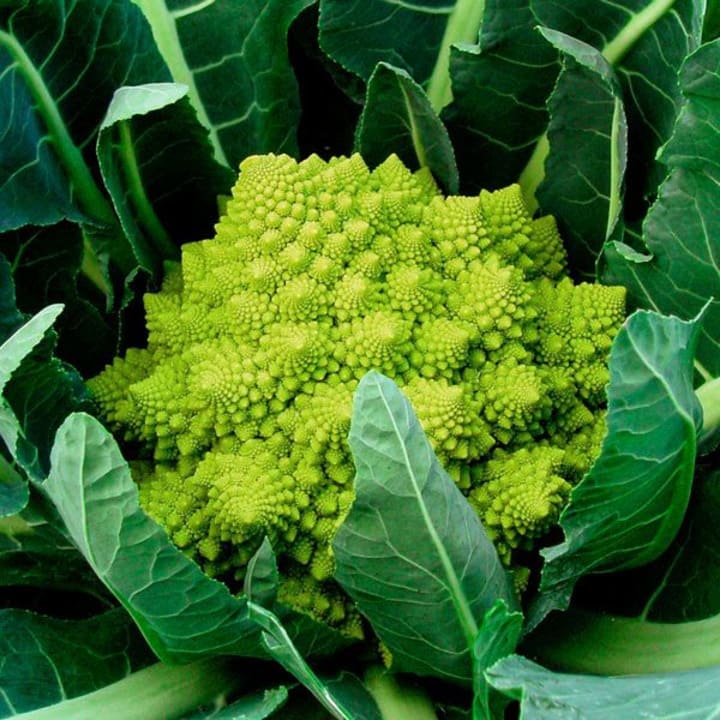
Romanesco:
This unusual vegetable is a member of the cauliflower family and has a striking, fractal-like appearance. Its flavor is similar to cauliflower but with a nuttier taste.
One of the most popular ways to prepare Romanesco is by roasting it. This method brings out the natural sweetness of the vegetable and gives it a delicious, crispy texture. It can also be steamed, boiled, or added to soups and stews. Roast or steam it as a side dish or add it to soups and pasta dishes.
Salsify:
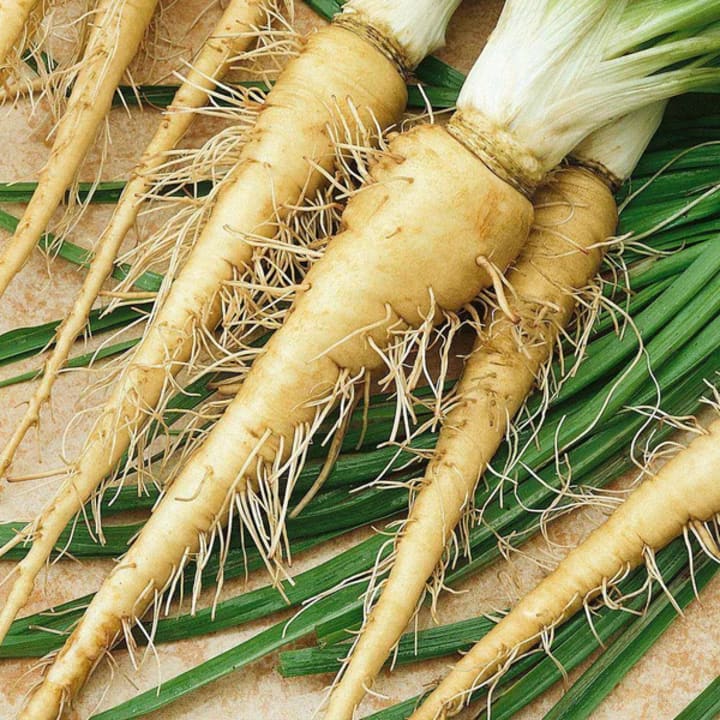
A root vegetable belonging to the dandelion family, salsify is also known as the oyster plant because of its similar taste when cooked. The root is similar in appearance to a long, thin parsnip, with creamy white flesh and a thick skin. In the same way as many root vegetables, salsify can be boiled, mashed or used in soups and stews..
Celeriac:
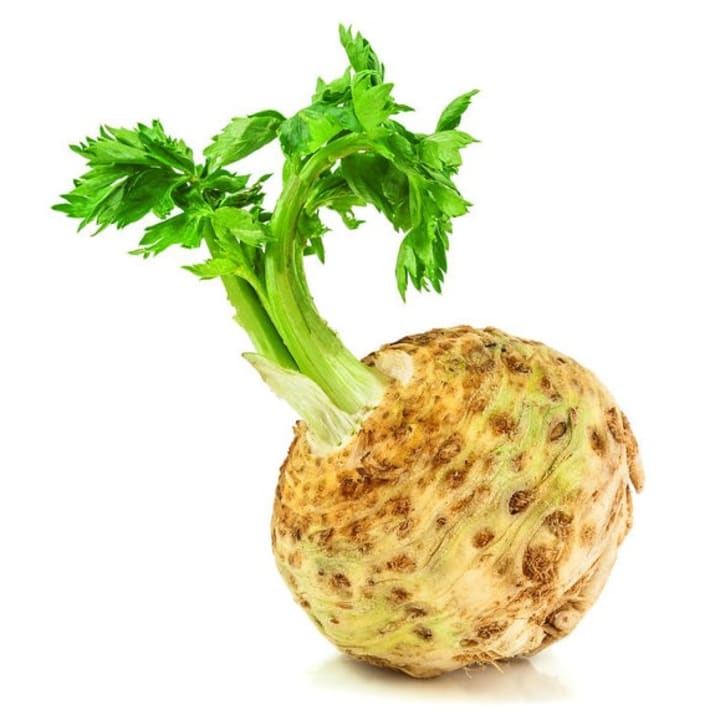
One of the best things about celeriac is its versatility. It can be eaten raw or cooked, and can be used in a variety of dishes. Raw celeriac can be grated and added to salads for a crunchy texture and a burst of flavor.
It can also be thinly sliced and used as a garnish for soups and stews. When cooked, celeriac can be boiled, steamed, roasted, or mashed. It can also be used in place of potatoes in dishes such as mash and gratin.
Celeriac is also a great source of vitamins and minerals. It is high in vitamin K, which is important for blood clotting and bone health. It also contains a good amount of vitamin C, which is important for maintaining a healthy immune system.
Jerusalem artichokes:
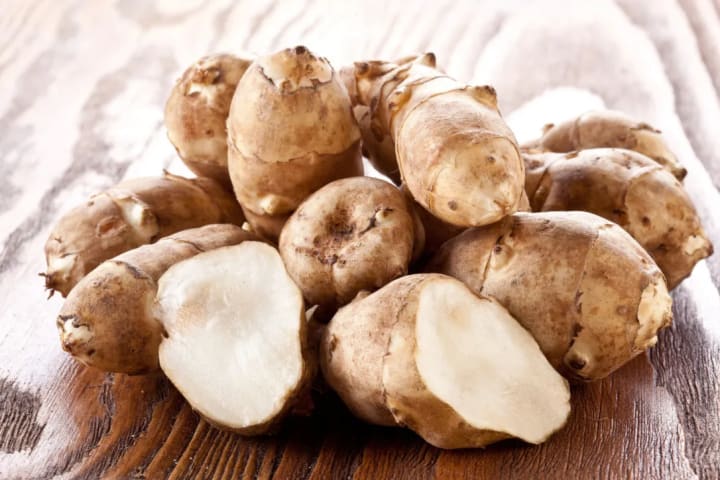
Jerusalem artichokes, also known as sunchokes, are a type of root vegetable that are native to North America. They have a unique, nutty flavor and can be eaten raw or cooked in a variety of dishes.
One of the key health benefits of Jerusalem artichokes is that they are a great source of inulin, a type of soluble fiber that acts as a prebiotic and promotes the growth of beneficial bacteria in the gut. This can help improve digestion and boost the immune system.
Chinese broccoli :
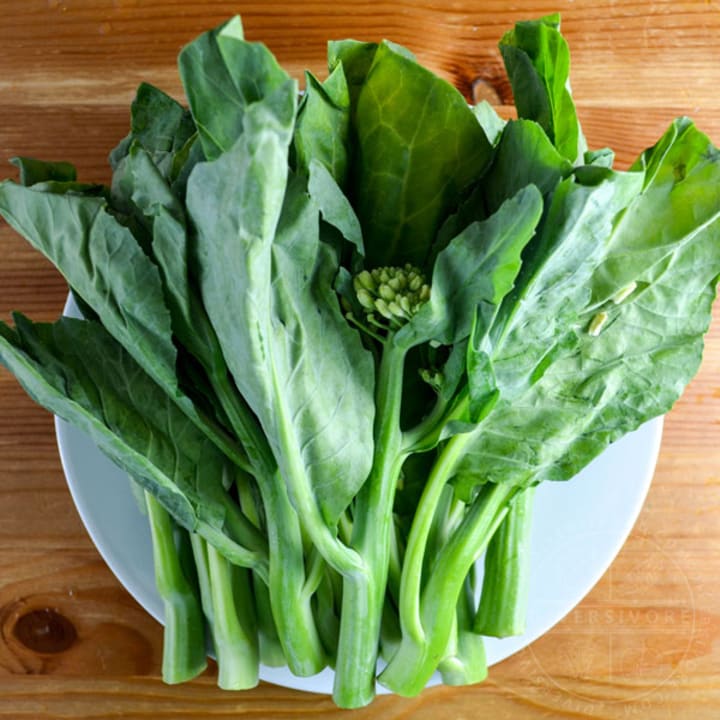
Chinese broccoli, also known as gai lan or Chinese kale, is a leafy green vegetable that is commonly used in Chinese and Southeast Asian cuisine. It is a member of the Brassica family, which also includes broccoli and cauliflower.
One of the key nutritional benefits of Chinese broccoli is its high levels of vitamins A and C. These vitamins are essential for maintaining healthy skin, teeth, and eyes. Chinese broccoli is also a good source of folate, which is important for pregnant women and individuals with certain medical conditions.
Bok choy:
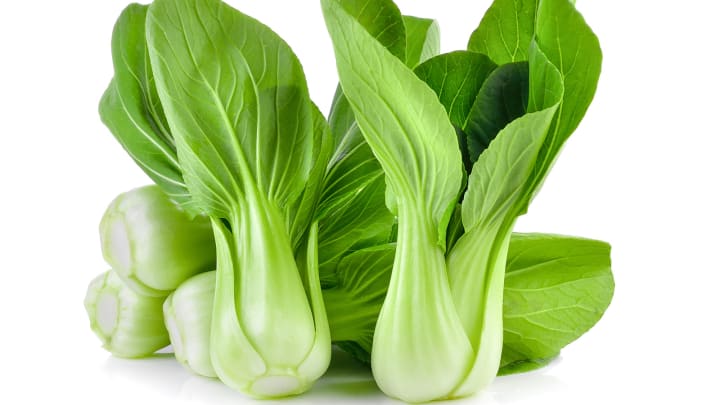
Bok choy, also known as Chinese cabbage, is a popular vegetable in Asian cuisine. It is a type of Chinese cabbage that belongs to the cruciferous family, which also includes broccoli and cauliflower.
Bok choy is a versatile vegetable that can be used in a variety of dishes, from stir-fries to soups. It has a mild, slightly sweet flavor and a crisp texture that makes it a perfect addition to salads and sandwiches as well.
One of the best things about bok choy is that it's packed with nutrients. It's an excellent source of vitamin A, vitamin C, and calcium. It also contains small amounts of vitamin K, vitamin E, and iron.
Radicchio:
This bitter leafy green is a type of chicory. It has a deep red color and a slightly bitter flavor. It can be eaten raw in salads or grilled as a side dish.
Radicchio can be eaten raw or cooked, and is often used in salads, sandwiches, and pasta dishes. It is a versatile vegetable that can be used in a variety of ways, from being grilled and served as a side dish to being sautéed and used as a topping for pizza.

Purslane:
This succulent, often considered a weed, has a slightly sour and lemony flavor. It's a great addition to salads and sandwiches.One of the most notable nutritional benefits of purslane is its high levels of omega-3 fatty acids.
These healthy fats are essential for maintaining heart health and reducing inflammation in the body. Purslane is also a good source of antioxidants, vitamins A and C, and minerals such as iron and calcium.

Expanding your vegetable horizons can be a fun and delicious way to boost your health and add some excitement to your meals. Give these unique and uncommon vegetables a try and discover new flavors and textures to add to your cooking.
About the Creator
Keep reading
More stories from everythingtakestime and writers in Longevity and other communities.
This Will Happen to Your Body if You Eat Plantain Every Day
If you're looking for a delicious and healthy way to improve your body, then you should consider eating plantain every day! Plantain is a type of fruit that is high in fiber and nutrients, and it has some amazing health benefits.
By everythingtakestime3 years ago in Longevity




Comments
There are no comments for this story
Be the first to respond and start the conversation.