
10 Simple Habits Backed by Psychology That Improve Mental Health Daily
Discover easy, science-supported routines anyone can adopt to boost mood, reduce stress, and build emotional resilience.

In today’s fast-paced world, maintaining good mental health has become just as important as physical well-being. While therapy and medication can be incredibly effective, science also points to the power of simple, daily habits to support emotional well-being. These small changes don’t require major life overhauls—but they can create a huge impact over time. Here are 10 psychology-backed mental health tips you can start using today to feel more balanced and in control.
1. Start the Day with Gratitude
Research in positive psychology shows that expressing gratitude can increase happiness and reduce symptoms of depression. Start your morning by listing three things you’re thankful for. This simple mental health habit can shift your mindset and set a positive tone for the day.
2. Move Your Body (Even a Little)
Daily movement—even a 10-minute walk—releases endorphins and reduces stress hormones like cortisol. Exercise is one of the most effective natural tools for stress relief and boosting mental clarity. No gym required—just consistency.

3. Practice Mindful Breathing
Deep breathing slows down the nervous system and brings your body out of fight-or-flight mode. Try the 4-7-8 technique: inhale for 4 seconds, hold for 7, exhale for 8. Just a few minutes can help you feel calm and centered.
4. Set Digital Boundaries
Constant screen time and doomscrolling on social media are linked to anxiety and sleep problems. Set a screen-free hour before bed or use apps that limit your time on distracting platforms. Protecting your peace is one of the most underrated self-care habits.
5. Stay Connected with People Who Matter
Loneliness is one of the biggest threats to mental health. Make it a habit to check in with a friend or loved one—even a quick voice note counts. Human connection is a natural antidepressant.
6. Prioritize Quality Sleep
Lack of sleep affects your mood, focus, and ability to manage stress. Aim for 7–9 hours of quality rest. Stick to a consistent sleep schedule, limit blue light before bed, and create a relaxing night routine. Sleep hygiene is key for mental wellness.
7. Write It Out
Journaling is a powerful mental health tool. Studies show that writing about your thoughts and emotions can reduce anxiety and improve overall well-being. Don’t worry about grammar—just let your thoughts flow. Even five minutes a day can help you process feelings and gain clarity.
8. Eat Foods That Fuel Your Brain
A growing field called nutritional psychiatry highlights the link between diet and mental health. Omega-3s, leafy greens, berries, and whole grains support brain function and mood regulation. Think of food as fuel for emotional stability.
9. Do One Thing Just for You
Daily life can become a blur of responsibilities. Schedule in one small act of joy—reading a chapter of a book, tending to a plant, or enjoying your favorite playlist. Reclaiming time for yourself nurtures emotional resilience.
10. Embrace Progress, Not Perfection
High expectations can lead to burnout and negative self-talk. Practice self-compassion. Remind yourself that growth takes time, and small steps are still steps forward. This mindset shift alone can ease anxiety and build confidence.

---
Final Thoughts
Improving your mental health doesn’t have to be complicated. These small, science-backed daily habits are easy to start and cost nothing—yet they can have a powerful effect on your emotional well-being. By slowly integrating just a few of these into your routine, you’ll begin to notice more calm, clarity, and control in your life.
Whether you're struggling with stress, trying to prevent burnout, or just want to boost your mood naturally, these evidence-based strategies offer a realistic and effective path to feeling better. Mental health is a journey, and these simple practices are the steps that carry you forward.
About the Creator
Keep reading
More stories from Rahat Ullah and writers in Longevity and other communities.
Mind & Momentum: The Power of Self-Growth
I used to believe that personal development was just a fancy term for reading self-help books and posting motivational quotes on Instagram. My name is Arjun, and like most people, I was going through life on autopilot—wake up, commute, work, sleep, repeat.
By Rahat Ullah9 months ago in Longevity
Day 4 of Quitting
If this is how sobriety feels, maybe it’s better to go through life a little buzzed… this, along with other hits like, I want to kill myself, I wish I was dead, and I’m going to throw myself off a bridge have been the only thoughts on rotation these past few days. I promise myself that if, in a month, I still feel like this (‘this’ meaning despondent, full of rage, and simultaneously numb) I can go back to smoking. Until mid-February though? Nicotine is off the table.
By sleepy drafts18 days ago in Longevity
Holy Land: A Fifth Gospel That Begins in Jordan
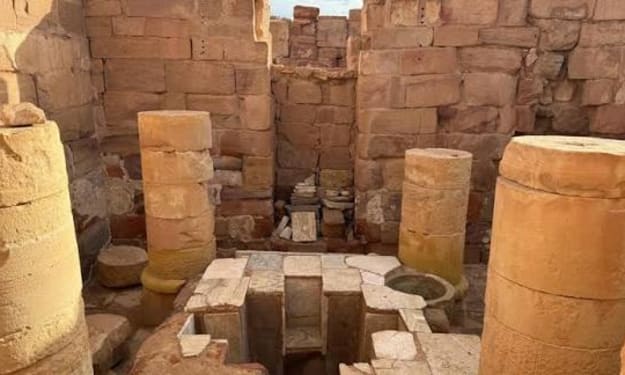
For many Christians, the Holy Land is not confined to a single country or a handful of famous sites. It is a living geography of faith, stretching across modern borders and layered with centuries of memory. While the four Gospels tell the story of Jesus through words, believers often describe the land itself as a “Fifth Gospel”—a silent but powerful testimony that deepens understanding of scripture. Crucially, this unwritten Gospel does not begin in Jerusalem or Bethlehem. It begins in Jordan. Jordan: Where the Story Enters History Jordan holds a unique place in biblical history, often overlooked in favor of Israel and Palestine. Yet it is in Jordan that the Gospel story first touches the public life of Jesus. The Jordan River, flowing quietly through arid landscapes, is where Jesus was baptized by John the Baptist. This moment marked the beginning of his ministry and transformed the river into one of the most sacred waterways in Christian tradition. Standing on the riverbank today, pilgrims often describe a sense of immediacy—as if scripture has stepped off the page and into the present. The landscape does not shout; it whispers. And in that stillness, faith feels tangible. Bethany Beyond the Jordan: A Sacred Threshold At the heart of Jordan’s biblical significance lies Bethany Beyond the Jordan, also known as Al-Maghtas. Recognized as a UNESCO World Heritage Site, it is widely accepted as the authentic location of Jesus’ baptism. Archaeological discoveries—including ancient churches, baptismal pools, and pilgrim routes—support centuries of Christian tradition. This site represents a threshold moment: the transition from preparation to proclamation. In the language of the “Fifth Gospel,” Bethany Beyond the Jordan is the opening chapter—where water, wilderness, and calling converge. Mount Nebo: Seeing the Promise Jordan’s role in the biblical narrative predates Christianity. Mount Nebo, rising above the Jordan Valley, is where Moses is believed to have seen the Promised Land before his death. From its summit, visitors can look across to Jericho, Jerusalem, and the Judean hills, physically connecting Old Testament longing with New Testament fulfillment. This visual continuity reinforces the idea of the Holy Land as a single unfolding story rather than separate religious eras. Jordan becomes the bridge between covenant and incarnation. The Geography of Faith Calling the Holy Land a “Fifth Gospel” is not merely poetic. Geography shapes theology. Deserts evoke temptation and testing, rivers symbolize renewal, and mountains represent revelation. Jordan’s landscapes—its wilderness, valleys, and waterways—mirror the spiritual themes found in scripture. Jesus’ time in the wilderness, traditionally associated with the region east of the Jordan, gains new depth when experienced firsthand. The harsh terrain underscores the gravity of fasting, reflection, and moral struggle described in the Gospels. Pilgrimage Beyond Borders Modern pilgrims increasingly recognize that to understand the Gospel fully, one must look beyond political borders. Jordan offers a relatively peaceful and accessible gateway into the Holy Land experience. Sites such as Machaerus (where John the Baptist was imprisoned), Umm Qais (linked to the miracle of the Gadarene swine), and early Christian pilgrimage routes enrich the narrative. This broader pilgrimage challenges a narrow, location-centric view of faith and invites believers to see Christianity as rooted in a wider regional story. Interfaith Echoes Jordan’s sacred sites also resonate beyond Christianity. The Jordan River is significant in Judaism, and many locations revered by Christians are also important in Islamic tradition. This overlapping reverence adds another layer to the “Fifth Gospel,” reminding visitors that the land speaks in multiple spiritual languages at once. In a region often associated with conflict, Jordan’s preservation of holy sites stands as a quiet testament to coexistence and shared heritage. Why Jordan Matters Today In an age of digital faith and virtual worship, physical places still matter. Jordan’s biblical sites ground belief in reality—stone, soil, and water. They remind believers that the Gospel unfolded in real landscapes among real communities, not abstract spaces. By beginning the Holy Land story in Jordan, Christians gain a fuller, more nuanced understanding of Jesus’ life and mission. The “Fifth Gospel” becomes not an addition to scripture, but a companion to it—one that must be walked, seen, and felt. A Living Gospel Without Words Jordan does not compete with the written Gospels; it completes the context around them. From the waters of baptism to the heights of prophetic vision, the country offers an opening chapter written in earth rather than ink. In that sense, the Holy Land truly is a Fifth Gospel—and its first pages are found in Jordan, where faith steps out of prophecy and into history.
By Fiaz Ahmed Brohi6 days ago in Longevity



Comments
There are no comments for this story
Be the first to respond and start the conversation.