
10 Nutritional Heroes for Fatty Liver
Powerful Foods for Fatty Liver Recovery

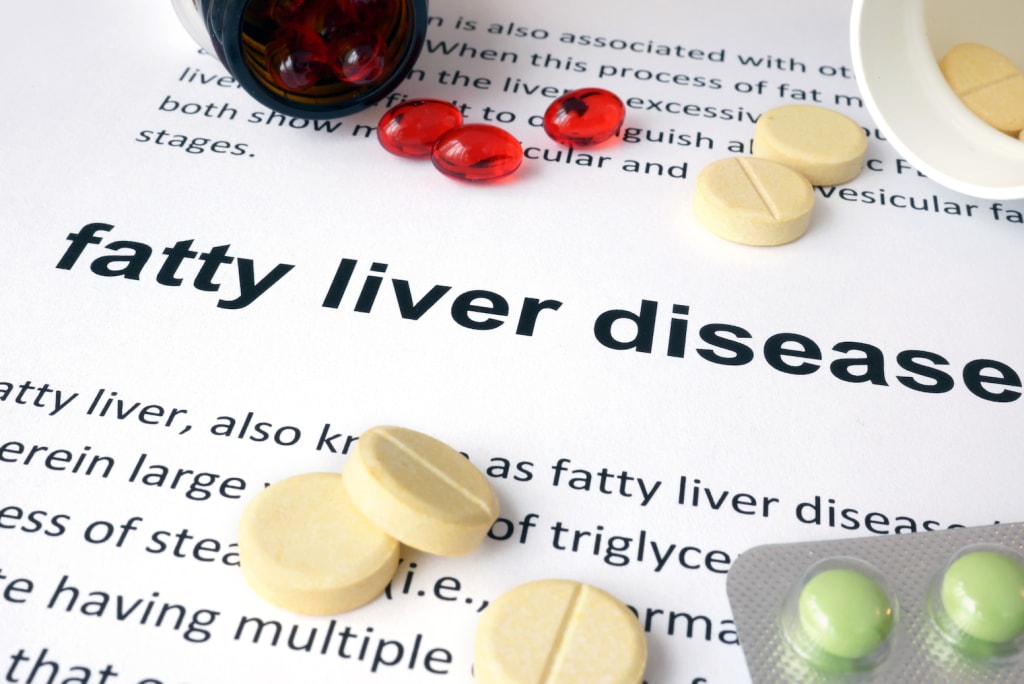
The liver is an essential organ responsible for over 500 vital functions in our bodies. It plays a crucial role in detoxification and is affected by our dietary choices. Fatty liver, cirrhosis, and liver failure are serious conditions that can result from neglecting liver health. Unfortunately, there is a lot of conflicting information out there, making it challenging to navigate through the noise. In this article, we will debunk common myths and provide practical insights into maintaining a healthy liver.
What Not to Eat: Debunking Myths
Sodium: Contrary to popular belief, sodium does not directly cause fatty liver. While excessive sodium intake can lead to water retention, it only becomes a concern for individuals with specific health conditions like hormonal imbalances or kidney failure. For the average person, moderate sodium intake is acceptable and not linked to fatty liver.
Added Sugar: The recommendation to avoid added sugar is valid. Consuming excessive amounts of added sugar can contribute to liver fat accumulation. It is important to note that white sugar is problematic because it contains fructose, and approximately 50% of sugar is composed of this liver-clogging substance.
Red Meat: The notion that red meat should be avoided due to its saturated fat content is incorrect. While red meat does contain saturated fat, it is not the primary cause of fatty liver. Saturated fat intake alone does not result in the storage of saturated fat in the body.
Fried Foods: The issue with fried foods lies in the quality of oils used. Most fried foods use plant oils that undergo extensive processing, making them toxic and harmful to the liver. However, if fried foods are prepared using healthier options like saturated fats (e.g., lard or coconut oil), they can be consumed in moderation without adverse effects.
The Real Causes of Fatty Liver
To truly grasp the causes of fatty liver, it is crucial to look beyond specific food items and understand the underlying factors contributing to its development.
Overwhelm: Fatty liver occurs when the liver is overwhelmed with substances that only it can process. Alcohol, fructose (found in both added and natural sugars), and toxins are the primary culprits. When the liver is burdened with processing alcohol and fructose, its ability to effectively eliminate toxins diminishes.
Insulin: Insulin, a storage hormone, plays a smaller role in the development of fatty liver. However, when insulin levels are consistently high, it exacerbates the condition. Insulin resistance and high insulin levels hinder fat burning in the liver and perpetuate the fatty liver state.
What to Avoid for a Healthy Liver
Based on a comprehensive understanding of fatty liver causes, it becomes clear what dietary habits to avoid to protect and improve liver health.
Alcohol: Excessive alcohol consumption directly contributes to liver damage and should be avoided or consumed in moderation.
Sugar: Both added and natural sugars (fructose) should be limited. Consuming large amounts of sugar overwhelms the liver and promotes fatty liver development.
Starches: Starches, such as white rice and refined flours, break down into glucose, rapidly raising blood sugar levels and stimulating insulin production. These foods should be avoided or consumed in moderation, especially when dealing with a fatty liver condition.
Fried Foods in Plant Oils: Fried foods prepared in plant oils, particularly vegetable oils, are harmful to liver health due to their toxic and oxidized nature. It is best to avoid such foods or opt for alternatives fried in healthier oils like lard or coconut oil.
The Fallacy of Superfoods
The concept of superfoods can be misleading when it comes to addressing fatty liver.
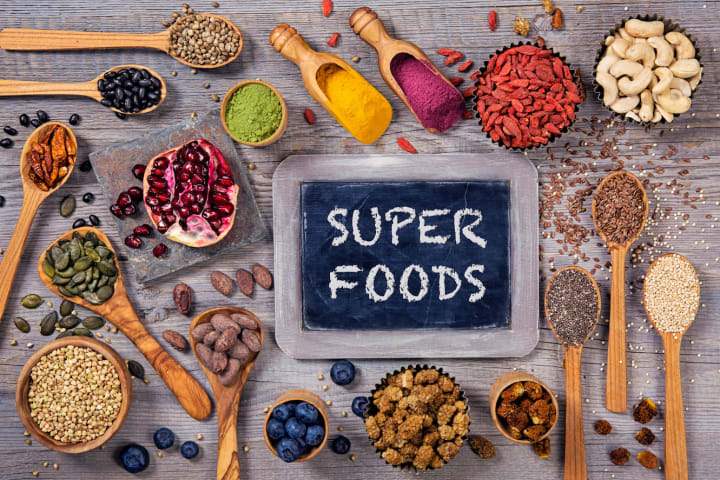
No single food or supplement can reverse the damage caused by an unhealthy lifestyle or exposure to toxins.
Superfoods cannot compensate for an ongoing toxin overload or poor dietary choices. Instead, adopting a holistic approach that focuses on handling the root cause of an issue is more beneficial. By providing what is missing or eliminating interfering factors, we can improve overall body function and achieve genuine relief.
Unsaturated Fats:
Contrary to popular belief, not all unsaturated fats are inherently good for us. While monounsaturated fats, found in foods like extra virgin olive oil and meat, are beneficial, polyunsaturated fats can be highly processed, oxidized, and inflammatory. It's important to obtain unsaturated fats from sources like olive oil and quality meats, rather than relying on heavily processed vegetable oils.
Soybeans and Beans:
While beans, including soybeans, are often touted as healthy choices, it's important to exercise caution. Most soybeans today are genetically modified and can cause allergic reactions and inflammation in sensitive individuals. Organic tofu or miso may be better alternatives, but for those with fatty liver or insulin resistance, beans may not provide the desired benefits.
Oatmeal:
Oatmeal is often recommended as a fiber-rich food, but it still primarily consists of starch and can quickly convert to glucose. Moreover, individuals with gluten sensitivity may experience cross-reactions with oats, even if they are certified gluten-free. Steel-cut oats are a better option due to their slower digestion, but caution should be exercised, especially for those aiming to reverse liver disease.
Coffee:
While coffee has been associated with potential benefits, such as protection against non-alcoholic fatty liver disease, the mechanisms behind these effects remain unclear. Drinking coffee in moderation, usually two cups a day, is generally safe for most individuals. However, it is crucial not to consider coffee as a magical superfood, but rather as a regular dietary component.
Walnuts and Omega-3s:
Walnuts, along with other nuts like macadamia and pecans, are nutritious choices due to their high protein and fat content. They can help reduce insulin levels and insulin resistance. However, it is important to avoid considering them as miraculous superfoods. Similarly, Omega-3 fatty acids, obtained from fish oil or whole fish, are essential for addressing inflammation and metabolic disorders. Flaxseed, while containing Omega-3s, may not effectively convert to the necessary EPA and DHA forms in individuals with oxidative stress and insulin resistance.
Cruciferous Greens:
Cruciferous greens, such as arugula, bok choy, and broccoli, contain phytochemicals that support liver detoxification processes. Unless an individual has specific sensitivities, these foods can be consumed freely and provide various health benefits.
Meat and Eggs:
Meat, often feared due to its saturated fat and cholesterol content, is a highly nutritious food source. It contains essential nutrients, such as proteins and vitamins, and is less allergenic compared to other foods. Eggs, too, offer numerous benefits. They are rich in choline, vitamins B6, B9, and B12, as well as essential fatty acids. Contrary to common misconceptions, these foods are not harmful and can be part of a healthy diet.
Conclusion
Maintaining a healthy liver is vital for overall well-being. By understanding the real causes of fatty liver and debunking common myths, we can make informed dietary choices. Avoiding excessive alcohol, sugar (both added and natural), starches, and fried foods in plant oils helps alleviate the burden on the liver and promotes a healthier liver state.
Understanding the limitations of superfoods and adopting a holistic approach to nutrition is crucial for promoting overall health and addressing specific health issues. Rather than relying on one specific food or supplement, focusing on the root causes of symptoms and improving overall body function can lead to genuine relief and well-being. By making informed choices and incorporating a variety of nutritious foods into our diets, we can support our health and vitality.
Remember, there are no miracle superfoods to reverse the effects of an unhealthy lifestyle. It is a holistic approach to overall health that yields the best results. Prioritizing a balanced diet, regular exercise, and minimizing toxin exposure are key steps toward liver health and overall vitality.
Is saturated fat the primary cause of fatty liver?
No, saturated fat intake alone does not result in the storage of saturated fat in the body. Other factors, such as alcohol, fructose, and toxins, play a more significant role in the development of fatty liver.
Can fried foods be part of a healthy liver diet?
The issue with fried foods lies in the quality of oils used. Most fried foods use processed plant oils that can be toxic to the liver. However, if fried foods are prepared using healthier options like saturated fats (e.g., lard or coconut oil) and consumed in moderation, they can be included in a healthy liver diet.
What are the real causes of fatty liver?
Fatty liver occurs when the liver is overwhelmed with substances it needs to process, such as alcohol, fructose, and toxins. Insulin resistance and high insulin levels can also contribute to the development of fatty liver.
What foods should be avoided for a healthy liver?
To promote liver health, it is recommended to avoid excessive alcohol consumption, limit both added and natural sugars (fructose), and reduce the intake of starches that quickly convert to glucose (e.g., white rice and refined flours). Additionally, fried foods prepared in plant oils should be avoided or replaced with alternatives fried in healthier oils like lard or coconut oil.
Are superfoods effective in reversing fatty liver?
Superfoods, as commonly understood, cannot reverse fatty liver on their own. Addressing the root causes and adopting a holistic approach that provides what is missing and eliminates interfering factors is more effective in improving overall body function and achieving relief.
Are all unsaturated fats good for liver health?
No, not all unsaturated fats are inherently good for us. While monounsaturated fats (e.g., extra virgin olive oil and certain meats) are beneficial, heavily processed polyunsaturated fats found in vegetable oils can be inflammatory. It is best to obtain unsaturated fats from healthier sources.
Are soybeans and beans recommended for individuals with fatty liver or insulin resistance?
Most soybeans today are genetically modified and can cause allergic reactions and inflammation in sensitive individuals. While organic tofu or miso may be better alternatives, beans may not provide the desired benefits for individuals with fatty liver or insulin resistance.
Can oatmeal be included in a liver-healthy diet?
Oatmeal primarily consists of starch and can quickly convert to glucose, affecting blood sugar levels. Individuals with gluten sensitivity may also experience cross-reactions with oats. Steel-cut oats are a better option due to their slower digestion, but caution should be exercised, especially for those aiming to reverse liver disease.
Is coffee a superfood for liver health?
While coffee has potential benefits, such as protection against non-alcoholic fatty liver disease, the mechanisms behind these effects are not fully understood. Moderate consumption of coffee (usually two cups a day) is generally safe, but it should not be considered a magical superfood.
Are walnuts and Omega-3s superfoods for liver health?
Walnuts and other nuts are nutritious choices and can help reduce insulin levels and insulin resistance. However, they should not be considered miraculous superfoods. Omega-3 fatty acids, obtained from fish oil or whole fish, are essential for addressing inflammation and metabolic disorders. Flaxseed may not effectively convert to the necessary forms of Omega-3s in certain individuals.
Are meat and eggs harmful to the liver?
Meat is a highly nutritious food source and contains essential nutrients, while eggs offer numerous benefits. Contrary to common misconceptions, they are not harmful to the liver and can be part of a healthy diet when consumed in moderation.
Book for Healing Your Liver
"Fatty Liver: You Can Reverse It" - This book focuses on cleansing and supporting the liver through a specialized diet and lifestyle changes. It provides insights into the causes of fatty liver and offers a range of recipes and meal plans to promote liver health.
"Medical Medium Liver Rescue" - This book offers a specific diet plan aimed at healing the liver and reversing fatty liver disease. It includes nutrient-rich recipes, meal plans, and lifestyle tips to support liver function.
"Fatty Liver Diet Cookbook: Detoxify Your Liver to Regain Health and Energy" - This cookbook provides a collection of delicious recipes designed to promote liver health and combat fatty liver disease. It includes a variety of nutrient-dense meals that are easy to prepare and support a healthy liver.
Disclaimer: The information provided in this article is for general informational purposes only and is not intended as a substitute for professional medical advice, diagnosis, or treatment. Always seek the advice of your physician or other qualified health provider with any questions you may have regarding a medical condition. The author and publisher of this article make no representations or warranties of any kind, express or implied, about the completeness, accuracy, reliability, suitability, or availability of the information contained within it. Any reliance you place on such information is therefore strictly at your own risk. The inclusion of specific foods or dietary recommendations does not constitute endorsement or guarantee of their effectiveness for individual health conditions. The impact of diet and lifestyle choices can vary depending on an individual's unique circumstances and health status. It is important to consult with a healthcare professional or registered dietitian before making any significant changes to your diet or lifestyle.
About the Creator
Father's Journey
My daughter's future, well-being, happiness are my driving forces. I've embarked on a mission to equip her for success in a rapidly changing world and to inspire fellow parents to raise digitally fluent children who surpass us in every way.
Keep reading
More stories from Father's Journey and writers in Longevity and other communities.
The Pursuit of More
In a world where abundance is often taken for granted, it's important to pause and reflect on our desires. While striving for more seems natural, constantly chasing after it can lead to a never-ending cycle of dissatisfaction. I want to explore the concept of "more" and discuss toxic habits that hinder our ability to find contentment. By adopting the wisdom of stoic philosophers, we can uncover the keys to a good life and break free from the relentless pursuit of "more."
By Father's Journey3 years ago in Longevity
What Happens to Your Body When You Skip Meals Regularly
“I’ll eat later.” “I’m not that hungry.” “I’m too busy.” For many university students, skipping meals feels normal. But when student irregular eating becomes a habit, your body starts responding in ways you might not immediately notice.
By Being Inquisitive6 days ago in Longevity
The Weight of a Touch: Why My best Training Equipment Isn't made of Iron
The Weight of a Touch: Why My Best Training Equipment Isn't Made of Iron The air in a commercial gym is thick with more than just the smell of rubber mats and recycled oxygen. If you stop moving for a second and just observe, you’ll feel it—a heavy, invisible fog of human ambition, deep-seated anxiety, and the restless energy of people trying to outrun their own shadows. Most personal trainers see this environment as a simple workspace where calories are burned and muscles are built. But for me, the gym floor is a sanctuary where two souls meet in a very raw, vulnerable state. And because of what I’ve survived, I refuse to walk onto that floor without a very specific kind of protection.
By Feliks Karić5 days ago in Longevity
When the Shelter Closes
Across the street from my house, a man slept under a tree, his dog by his side. My first, naive thought: he must be traveling through. But he kept coming back, often sleeping there during the day. Then it hit me—that person might not have a home.
By Bride of Sound6 days ago in Humans



Comments
There are no comments for this story
Be the first to respond and start the conversation.