
Your Body's Silent River: Nurturing Urinary Tract Health Every Day
Remember that frantic feeling?

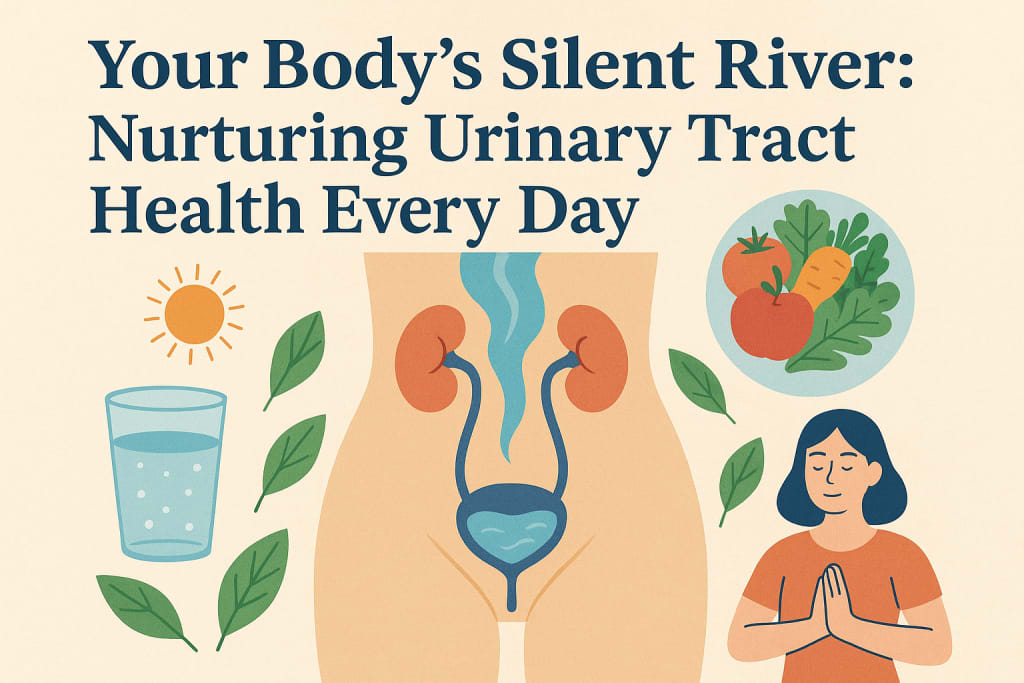
Remember that frantic feeling? That urgent, burning signal your body sends when something’s definitely wrong downstairs? Maybe it hit you during a crucial work meeting, halfway through a long drive, or just as you finally got the baby to sleep. Urinary tract discomfort isn’t just physically painful; it throws a wrench into your entire life. It feels personal, sometimes even embarrassing. But here’s the truth whispered by countless doctors and echoed by those of us who’ve been there: supporting urinary tract health isn’t about complex rituals or constant worry. It’s about simple, everyday choices that honor this vital, often overlooked, system.
Think of your urinary tract – kidneys, ureters, bladder, urethra – like a quiet, efficient river system. Its job is monumental: filtering waste, balancing fluids, keeping your internal environment pristine. When it flows smoothly, you barely notice it. But when things get blocked, irritated, or invaded? That river becomes a raging torrent of discomfort. The good news? We hold more power than we think to keep those waters calm and clear.
The Mighty Power of the Humble Water Bottle (Seriously!)
Let’s start with the absolute bedrock of how to support urinary tract health: hydration. It sounds almost too simple, doesn’t it? But picture Sarah, a graphic designer glued to her screen. Coffee in the morning, maybe a soda at lunch, and suddenly it’s 3 PM and she realizes she hasn’t touched her water bottle. Her urine is dark yellow, concentrated. That concentration isn’t just a sign of dehydration; it creates an environment where unwelcome bacteria find it easier to stick around and multiply. Think of water as the constant, gentle current flushing your system.
Aim for enough fluid so your urine is pale yellow or nearly clear most of the day. What counts? Primarily water. Herbal teas (like chamomile or plain ginger) are gentle options too. Sugary drinks? They don’t count and might even irritate things. Caffeine and alcohol? They act as diuretics – pushing fluid out faster, potentially leaving you less hydrated overall. Notice how you feel after that third coffee? Your bladder might be shouting at you. Listen to it. Keep a bottle visible. Set phone reminders. Find a glass you love drinking from. This isn’t about guzzling gallons; it’s about consistent, mindful sipping. It’s the easiest, most fundamental way you can start supporting urinary tract health right this second.
Beyond the Basics: What Goes In Matters Deeply
What we eat and drink directly impacts that internal river. Ever noticed feeling a bit more urgency after a spicy curry night or a few glasses of wine? Some common culprits can irritate the bladder lining, making you feel like you have an infection even when you don’t. These irritants vary person to person, but frequent offenders include:
- Caffeine: That beloved coffee, tea, cola, even chocolate. It stimulates the bladder muscle.
- Alcohol: Especially wine and spirits.
- Acidic Foods: Citrus fruits and juices, tomatoes, vinegar.
- Spicy Foods: Hot peppers, strong curries.
- Artificial Sweeteners: Found in many diet sodas and "sugar-free" treats.
- Carbonated Drinks: Even sparkling water can bother some bladders.
Notice I didn’t say "never have these again." It’s about awareness. Think of Mark, who loves his morning coffee ritual. He realized his afternoon urgency vanished when he switched to just one cup before noon and switched to decaf later. Pay attention to your body’s signals. Keep a little food diary for a week if you suspect something. You might discover your own personal triggers.
Now, what helps? Let’s talk cranberries. You’ve heard the old wives' tale. While cranberry juice cocktails loaded with sugar aren’t the answer, unsweetened cranberry juice or supplements might help prevent bacteria from clinging to the bladder wall. The science isn’t definitive for everyone, but many find it beneficial. Probiotics (those friendly bacteria) are also gaining attention. Found in yogurt with live cultures, kefir, sauerkraut, kimchi, and supplements, they help maintain a healthy balance in your gut and potentially along your urinary tract. Foods rich in Vitamin C can make your urine slightly more acidic, creating a less welcoming environment for some bacteria – think bell peppers, strawberries, broccoli. It’s about building a nourishing internal landscape.
Habits: The Unsung Heroes (and Villains)
Our daily routines play a massive, often unseen, role. Let’s talk about something incredibly common: holding it in. Life gets busy. You’re in the middle of a project, stuck in traffic, or just don’t want to get off the comfy couch. But consistently ignoring the urge to pee allows urine to sit stagnant in the bladder. Stagnant water grows things, right? It’s similar inside. Make it a habit to go when you feel the need, or at least every 3-4 hours. Think of it like taking out the trash regularly – don’t let it pile up!
Then there’s the post-sex pit stop. This isn’t just a suggestion; for many prone to UTIs, it’s crucial. Sex can introduce bacteria near the urethra. Peeing within 15-30 minutes afterward acts like a mini-flush, helping clear anything that might have wandered in. It’s a simple, powerful habit. Consider Maria, who used to dread UTIs after intimacy. Making this small change became her non-negotiable routine, and the difference was night and day.
Hygiene matters too, but gentle is key. Harsh soaps, douches, or heavily perfumed sprays? They disrupt the delicate natural balance down there, stripping away protective good bacteria and potentially causing irritation. Warm water and mild, unscented soap for the external areas are all you need. Always wipe front to back – every single time. This simple act prevents bacteria from the anal area from traveling towards the urethra. Teach this to young girls early – it’s foundational knowledge.
And what about clothes? Tight jeans or synthetic underwear can create a warm, moist environment – paradise for bacteria. Breathable cotton underwear lets air circulate, keeping things drier and less hospitable. Swap those tight leggings for looser fits sometimes. Your bladder might thank you.
Stress, Sleep, and Your Silent River
We often forget how deeply stress impacts our physical systems. When you're constantly wound tight, your muscles tense up – including those in your pelvic floor and bladder. This can lead to feelings of urgency, frequency, or even pain (sometimes called interstitial cystitis or painful bladder syndrome). Chronic stress also dampens your immune system, making it harder to fight off any potential invaders. Remember James, whose UTI flares always coincided with his brutal project deadlines? Coincidence? Probably not.
Prioritizing sleep is another pillar. Your body does its deepest repair work while you rest, including bolstering your immune defenses. Skimping on sleep leaves you more vulnerable. Finding healthy stress outlets – whether it’s walking in nature, deep breathing for five minutes, yoga, talking to a friend, or losing yourself in a good book – isn’t just good for your mind; it’s a direct investment in your physical wellbeing, including urinary tract health.
Knowing When the River Needs Help: Listen Closely
Despite our best efforts, sometimes things go wrong. Knowing the signs is vital for quick action. Don't brush these off:
- A burning sensation when you pee (like passing razor blades!)
- Feeling an urgent, constant need to go, even if little comes out
- Passing frequent, small amounts of urine
- Cloudy, dark, bloody, or strangely smelly urine
- Pelvic pressure or pain (often felt low in the belly)
- Feeling generally unwell, tired, or feverish (this can signal a kidney infection – serious!)
If you experience these, especially pain or fever, see your doctor. Don't try to self-treat based on old antibiotics or internet advice. UTIs need proper diagnosis and the right treatment. Untreated infections can travel to your kidneys, causing serious complications. Prompt action is key.
Your Daily Flow: Simple Steps for Lifelong Health
Supporting urinary tract health isn't about achieving perfection. It’s about weaving mindful choices into the fabric of your daily life. It’s about respecting that internal river and giving it what it needs to flow smoothly. Think of it as tending to a quiet, essential garden within you.
Here’s your map to keep that garden thriving:
Hydrate Like It’s Your Job: Water is your best friend. Carry it, sip it, love it. Watch that urine color!
Tune Into Your Plate & Cup: Notice potential irritants (caffeine, spice, etc.). Explore bladder-friendly foods (probiotics, vitamin C, unsweetened cranberry). Be your own detective.
Answer Nature’s Call: Don’t hold it for unreasonable lengths. Pee regularly.
The Post-Sex Ritual: Make peeing within 30 minutes non-negotiable.
Gentle Care Down There: Ditch harsh soaps and sprays. Wipe front to back. Choose breathable cotton underwear.
Unwind Your Mind & Body: Actively manage stress. Prioritize good sleep. Your bladder feels your tension.
Listen & Act: Know the warning signs of a UTI. Don’t hesitate to seek medical help if they appear.
This system works tirelessly for you, every moment of every day. It deserves kindness, attention, and care. By making these small, consistent shifts, you’re not just avoiding discomfort; you’re nurturing a foundation of wellness that ripples out to every part of your life. You hold the power to keep your internal river running clear and strong. Start today. What’s one small step you can take right now to honor this vital part of yourself? Your body – especially that quiet, essential river within – will thank you.
About the Creator
Health Zone
Discover expert wellness tips, natural remedies, & nutrition hacks for busy lives. Science-backed advice for healthy living, glowing skin, & mindful habits. Join Health Zone—your shortcut to holistic vitality! 🌿
Keep reading
More stories from Health Zone and writers in Lifehack and other communities.
The Whispering Wisdom of Your Waterworks: Unpacking Urinary Tract Support
Ever had that day? You know the one. You’re stuck in traffic, halfway through a crucial meeting, or finally drifting off to sleep… and suddenly, it hits. That insistent, undeniable urge. Or maybe it’s a faint, unwelcome burning sensation every time you visit the loo. Perhaps it’s just a constant, low-level worry that things down there aren’t… quite right. If any of this rings a bell, you’re definitely not flying solo. Millions of us navigate the sometimes-tricky waters of our urinary systems. But what if we could be more than just reactive? What if we could proactively support this vital part of ourselves? That’s where understanding what is urinary tract support truly comes in. Forget sterile medical jargon; let’s talk real life.
By Health Zone6 months ago in Lifehack
How to Succeed at the Benson Directory®
Congratulations and welcome to the Benson Directory® employee #22391! As our newest call handler, you will have the privilege of speaking with dozens of unique and interesting people on a daily basis as well as the opportunity to earn bonuses for high performance. Contained within this handbook you will find a set of ease to follow instructions designed to help you settle in to your new role and begin paving the way to success.
By S. A. Crawford2 days ago in Fiction



Comments
There are no comments for this story
Be the first to respond and start the conversation.