
The Whispering Wisdom of Your Waterworks: Unpacking Urinary Tract Support
(Without the Awkwardness)

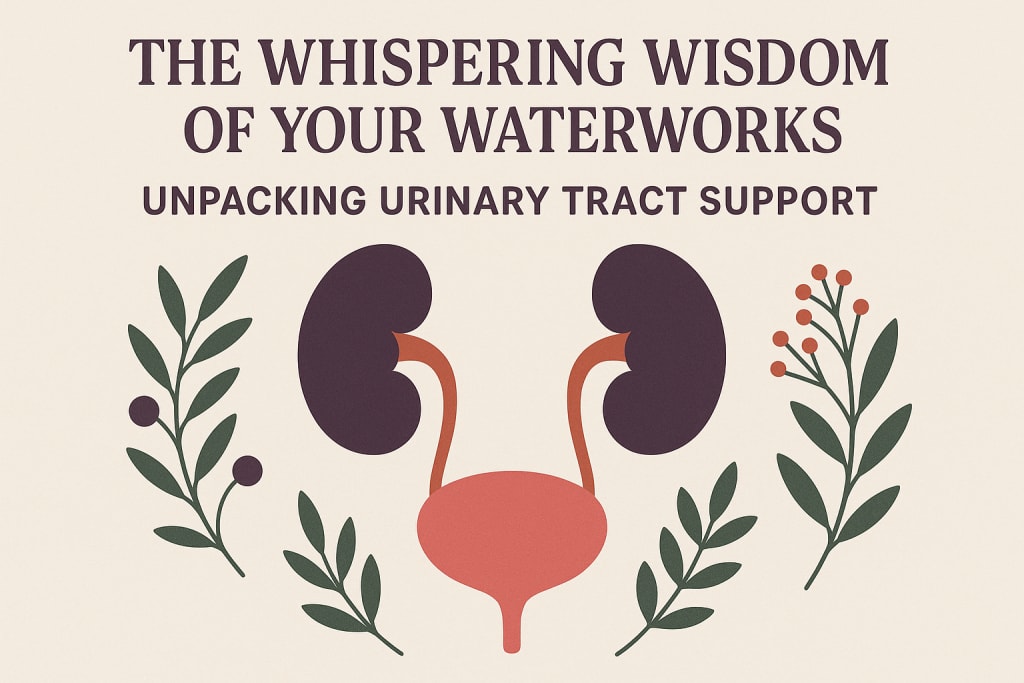
Ever had that day? You know the one. You’re stuck in traffic, halfway through a crucial meeting, or finally drifting off to sleep… and suddenly, it hits. That insistent, undeniable urge. Or maybe it’s a faint, unwelcome burning sensation every time you visit the loo. Perhaps it’s just a constant, low-level worry that things down there aren’t… quite right. If any of this rings a bell, you’re definitely not flying solo. Millions of us navigate the sometimes-tricky waters of our urinary systems. But what if we could be more than just reactive? What if we could proactively support this vital part of ourselves? That’s where understanding what is urinary tract support truly comes in. Forget sterile medical jargon; let’s talk real life.
Think of your urinary tract – kidneys, ureters, bladder, urethra – not just as plumbing, but as a sophisticated, self-cleaning ecosystem. It’s your body’s dedicated filtration plant and waste disposal unit, working tirelessly behind the scenes. Urinary tract support isn’t about fixing something broken (though it helps with that too!), it’s about nurturing this ecosystem. It’s the daily habits, mindful choices, and simple awareness that help it function smoothly, comfortably, and resiliently. It’s giving your inner waterworks the respect and care it deserves.
Beyond the Cranberry Hype: What Support Really Looks Like
Let’s ditch the one-size-fits-all solutions. True support is multifaceted, woven into the fabric of everyday living. Here’s how it plays out in the real world:
Hydration: Your First Line of Defense (Seriously!): Picture Sarah. She loves her coffee – three strong cups before noon. By mid-afternoon, she feels a bit… off. Maybe a little headachy, definitely sluggish, and her pee? Dark yellow and potent. She chalks it up to stress. But what’s happening inside? Concentrated urine sits in her bladder, potentially irritating the lining and making it easier for any stray bacteria to set up camp. What is urinary tract support for Sarah? It starts with swapping one coffee for a big glass of water first thing. Keeping a fun water bottle on her desk, aiming for that pale straw-colored pee. Hydration isn’t just about quenching thirst; it’s about flushing the system regularly, diluting irritants, and keeping everything flowing smoothly. Think of it as a constant, gentle rinse cycle for your bladder.
Bathroom Habits: It’s Not Just About Going: Remember being a kid, holding it in because the playground swing was just too fun? Many of us never unlearned that habit. Mark’s job involves back-to-back Zoom calls. He often ignores the urge, holding it for an hour or more. Over time, this stretches the bladder muscle, potentially weakening it and making it harder to fully empty. Residual urine becomes a breeding ground. Urinary tract support for Mark means honoring the signal. Scheduling micro-breaks between calls, even if it’s just a quick dash. And when he does go, taking that extra moment to fully relax, ensuring everything empties out properly. No rushing! It’s also about posture – feet flat on the floor (or a stool), leaning slightly forward. This simple alignment can make a surprising difference in bladder emptying efficiency.
Food as Fuel (and Friend): We all know cranberries get the spotlight, but urinary tract support through diet is a much richer tapestry. Think about Maria, who loves spicy tacos and tangy citrus fruits. Delicious! But sometimes, shortly after indulging, she feels a slight sting. Certain foods and drinks (spicy stuff, citrus, caffeine, alcohol, artificial sweeteners) can be bladder irritants for some people, acting like tiny alarm bells for the sensitive lining. Support here involves becoming a food detective. Keeping a simple journal: “Had tomato sauce and wine last night… felt a bit sensitive today.” Not about deprivation, but about awareness and balance. On the flip side, embracing foods rich in antioxidants (berries, leafy greens) and probiotics (yogurt, kefir, fermented veggies) nourishes the whole system and supports a healthy bacterial balance, crowding out the troublemakers.
The Clothes We Choose: Jessica lives in her super-comfy, tight yoga pants. They feel like a second skin. But that non-breathable synthetic fabric? It creates a warm, moist environment – basically a welcome mat for unwanted bacteria near the urethra. Urinary tract support can be as simple as opting for cotton underwear, letting things breathe. Choosing looser-fitting pants when possible, especially on warmer days or during long commutes. It’s about giving your body space and airflow where it counts.
The Mind-Body Connection (It’s Real!): Stress. It tightens our shoulders, knots our stomachs… and can absolutely impact our pelvic floor muscles and bladder function. Picture David during a brutal work deadline. He notices he’s going to the bathroom more frequently, even without drinking extra. His body is in ‘fight or flight’ mode, potentially triggering bladder spasms or hypersensitivity. Supporting the urinary tract for David involves recognizing this link. Simple breathwork – deep belly breaths for a few minutes – can calm the nervous system and ease pelvic tension. Gentle movement like walking or stretching releases stress hormones. It’s acknowledging that our mental state and physical well-being are deeply intertwined, right down to our ability to pee comfortably.
Natural Allies: Beyond the Basics: Sometimes, we need an extra layer of support. This is where things like D-Mannose (a simple sugar that can help prevent certain bacteria from sticking to the bladder wall), specific probiotic strains formulated for urogenital health, or well-researched herbal extracts like Uva Ursi or Marshmallow root (known for their soothing properties) come in. What is urinary tract support here? It’s about informed choices. Talking to a knowledgeable naturopath or healthcare provider, understanding why a particular supplement might help, and choosing high-quality products. It’s not magic, but strategic reinforcement.
Listening to the Whispers: Why Proactive Support Matters
We often ignore our bodies until they shout. That burning UTI, the sudden urgency, the frustrating leaks. Urinary tract support shifts us from crisis management to gentle, consistent care. It’s about tuning into the quieter signals:
- That slight pressure you feel when you’ve held it just a bit too long? A nudge to listen next time.
- The subtle change in urine color? A reminder to reach for water.
- Feeling a bit more sensitive after that extra glass of wine? Noticing the connection.
This awareness is powerful. It empowers us to make small, daily choices that add up to significant resilience. It reduces the frequency and severity of those awful "shouting" moments. It fosters a sense of confidence and comfort in our own bodies.
Your Daily Pee Cheat Sheet: Actionable Support
Understanding what is urinary tract support is only half the battle. Here’s how to weave it into your life, starting today:
Befriend Your Water Bottle: Aim for consistent sips throughout the day. Flavor it with cucumber, mint, or berries if plain water bores you. Check your pee color – pale straw is the goal.
Answer Nature’s Call Promptly: Don’t routinely hold it for hours. When you go, relax fully. Consider a small footstool if you find it helpful.
Become a Bladder Detective: Notice how different foods and drinks affect you. Keep a simple log if you suspect irritants. Balance is key – enjoy life, but be aware.
Choose Breathable Basics: Opt for cotton underwear most days. Give tight synthetic pants a break sometimes. Let things air out.
De-stress Your Pelvis: Incorporate simple deep breathing exercises. Try gentle yoga or stretching focusing on the hips and lower abdomen. Manage stress – your bladder will thank you.
Consider Smart Supplements (Wisely): If you’re prone to issues, research supplements like D-Mannose or specific probiotics. Consult a professional to find what might work for you. Don’t just grab any bottle off the shelf.
Wipe Wisely: Always front to back. It’s a simple habit with a big impact on preventing bacterial transfer.
Post-Sex Protocol: Pee shortly after intimacy. It helps flush out any bacteria that might have been nudged towards the urethra.
The Final Drop: Embracing Your Body’s Wisdom
Supporting your urinary tract isn’t about achieving perfection or living in fear. It’s about cultivating a kinder, more attentive relationship with a system that works incredibly hard for you, every single day. It’s recognizing that feeling comfortable and confident in your own body is foundational to well-being.
What is urinary tract support at its heart? It’s respect. It’s listening. It’s the quiet, consistent practice of showing up for a part of yourself that rarely gets applause, but absolutely deserves care. It’s understanding that the little things – the glass of water, the timely bathroom break, the breath you take when stressed – aren’t insignificant. They are the threads that weave the tapestry of resilience.
Start paying attention to your body’s subtle cues. Make one supportive change today. Your future self, comfortably enjoying life without that nagging worry or sudden urgency, will be deeply grateful. Because when our waterworks flow smoothly, so much else in life just feels… easier. Isn’t that worth nurturing?
About the Creator
Health Zone
Discover expert wellness tips, natural remedies, & nutrition hacks for busy lives. Science-backed advice for healthy living, glowing skin, & mindful habits. Join Health Zone—your shortcut to holistic vitality! 🌿
Keep reading
More stories from Health Zone and writers in Lifehack and other communities.
The Pink Salt Puzzle: Can This Pretty Mineral Really Help You Lose Weight?
Let’s be brutally honest. The weight loss world is noisy. It feels like every other week, there’s a new “miracle” ingredient promising to melt fat while you sleep. It’s exhausting, and frankly, often disappointing. So, when whispers about pink salt recipe for weight loss started floating around, my inner skeptic immediately perked up. Pink salt? That beautiful, rose-hued stuff I sprinkle on my avocado toast? Could it really be more than just a pretty garnish?
By Health Zone7 months ago in Lifehack
“I Forgot How to Be Bored (And It Was Ruining My Focus)”
Let’s be real—my phone was low-key ruining my life. I’m gonna be 100% honest: it got pretty embarrassing. I reached a point where I couldn’t even wait for the coffee to brew without my hand "magically" grabbing my phone. It wasn’t even a choice anymore; it was just this mindless, zombie-like reflex. I’d spend an hour scrolling through absolute junk and then realize I didn't remember a single thing I saw. My focus? Completely trashed.
By Demiana Louis Boshraabout 13 hours ago in Lifehack
The AI Ecosystem in 2026
By 2026, the ecosystem of artificial intelligence will have matured beyond experimentation and early adoption. It is now a complex, interconnected infrastructure shaping industries, markets, institutions, and everyday life. AI is no longer a niche technology: it is a foundational layer of the digital economy, much like the internet itself. Understanding this ecosystem requires looking beyond models and algorithms to the roles, relationships, and platforms that make AI an essential and sustainable force.
By Sathish Kumar 3 days ago in Lifehack


Comments
There are no comments for this story
Be the first to respond and start the conversation.