
Yoga and Virtual Reality: Immersive Experiences for Deep Relaxation
Relaxation

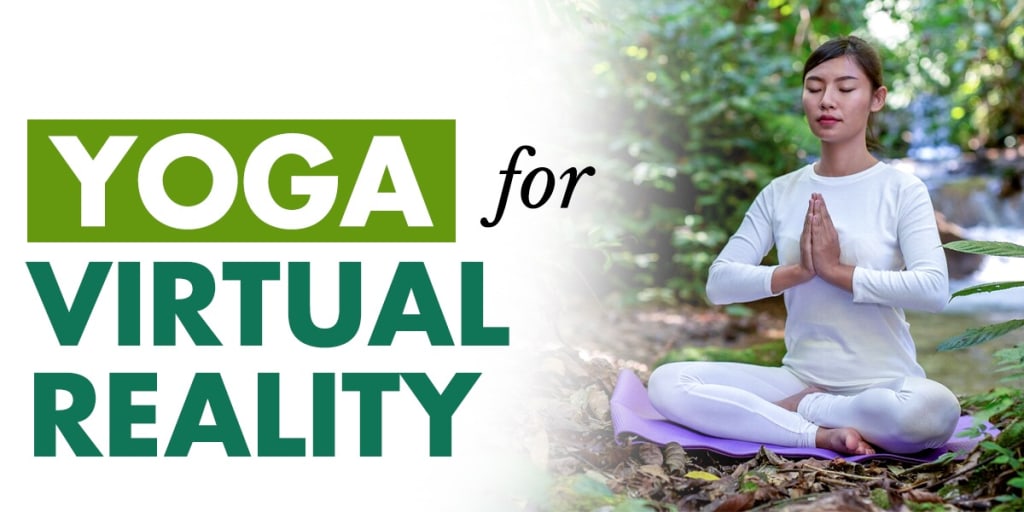
While sitting at one’s office on a stressful day, who would not like to experience the peacefulness of a beach or to walk in a floral meadow? Now this is possible with virtual reality which attempts to blend technology with yoga. In the last century, yoga has spread all over the world and not just limited to the ashrams and hills of India. It has continued to evolve by adapting to challenges with changing times. For example, virtual reality and meditation are now coming together to give sadhaks a completely new dimension of practice.
Yoga has continued to evolve with time and this adaptability is visible in the work done at The Yoga Institute over the past century. More than 100 years ago, Shri Yogendraji made amazing changes by bringing ancient yogic practices to the common man and became the “Father of Yoga Renaissance.” Unlike yogis who lived in the forests and hills and contributed little to society, Shri Yogendraji decided to live among the people and taught yoga to householders and made the benefits of yoga accessible to all.
Shri Yogendraji’s successor, Dr. Jayadeva Yogendra wrote: “Yoga is a living tradition. It has the capacity to successfully meet many needs of mankind. Investigations of its comprehensive ideology and technology by persons who live the life of Yoga and evolving a methodology that could be an immemorial asset to posterity in the next expansion of science in search of human possibilities, is the task ahead.” The spirit of innovation continued when, in 2019, The Yoga Institute launched online yoga courses in response to the global pandemic. Hansaji Yogendra said, ““If sadhaks cannot come to the institute, let’s go to them and spread the message of yoga.”
In the same spirit, presently, yoga is entering a completely new phase with the integration of virtual reality. This innovative combination of advances in virtual reality and yoga has the tremendous potential to offer relaxation and the opportunity to rejuvenate one’s body and mind in a novel way.
What is Virtual Reality Yoga?
Virtual reality yoga requires the sadhaks to wear a headset that takes them into a 360-degree environment. A virtual instructor or a pre-recorded audio gives the voice commands. There could be instructions to focus on a particular image or to breathe in a certain way. The headset takes away the usual distractions that the sadhak experiences in the immediate physical setting. This helps them to focus and follow the instructions provided such as how to focus on the breath or some simple bodily movements. In this way, the virtual world removes the external noise and encourages a more immersive practice.
You can practice yogic relaxation and meditation techniques in a pleasant virtual setting such as a peaceful beach or a beautiful riverside, while wearing a virtual headset. In this way, virtual reality yoga opens up a different world away from the sadhaks’ actual location in time and space.
In the future, virtual reality yoga has great potential for improving physical and mental health because it helps to reduce stress, anxiety and pain. An advantage is that it can be conveniently used from the comfort of one’s home.
Relaxation and virtual reality
Chronic stress is related to physical and psychological disorders. One in six persons suffers from stress-related problems. Hence relaxation is necessary. It is the time when the body and mind release any stress and rejuvenate. There are several yogic techniques for conscious relaxation. However, lack of time or space can prevent one from practicing these relaxation techniques. This is where virtual reality relaxation comes into the picture.
Among technical advancements in healthcare in the present times, virtual reality is emerging as a new trend. When it comes to virtual reality and meditation, the experience of serene virtual audio-visual environments removes the sadhaks from their own stressful situations. This greatly helps in stress management and relaxation in the midst of the challenges of everyday life. This method increases relaxation as well as decreases stress and anxiety.
Research also states that the combination of the natural audio-visual features in virtual environments activates the parasympathetic system and aids in stress recovery and mood regulation. Therefore, people who are unable to practice outdoors in open nature can find natural virtual environments in virtual reality as a promising alternative to get the restorative effects of contact with nature in the real world.
We live in a world where technology is constantly evolving. In such a setting, merging ancient traditions like yoga with the new innovations may seem an odd combination, but it is happening. There are attempts to integrate yoga with virtual reality to create sensory experiences that provide a completely new dimension to the practice. Lofty landscapes and wonderful natural settings that virtual reality simulates opens up possibilities for deeper relaxation and better mental health. It is best especially for those who seek an escape from the distractions of modern life.
What happens in a virtual reality yoga session?
Benefits of Virtual Reality Yoga
Virtual reality yoga transports the sadhak from the real world into a virtual world and therefore the distractions are reduced. This is useful for those sadhaks who get easily distracted during yogic meditation or relaxation.
Since virtual reality is an immersive experience, the sadhak stays fully present and mindful in the simulated calming environments and therefore it helps one’s mind to relax more completely.
Some sadhaks want to practice yoga regularly but have mobility limitations. With virtual reality yoga, they can experience calmness without leaving home.
A sadhak can also change settings on virtual reality to choose any environment, speed, or yogic style that they prefer. There are options available and one can choose these things based on one’s mood or energy levels.
How can Yogic Techniques be Adapted to Virtual Reality
There are challenges while adapting virtual reality to yogic practices as this method is still in its infancy. However, there are certain yogic techniques that can be practiced very effectively in virtual environments.
Yogendra Shavasana
This asana for deep relaxation is usually practiced at the end of a yoga session. When you lie in this pose, a virtual environment can enhance the sensation of peace by transporting one to a forest or a mountaintop so that it is easier to let go of any stress.
Yogendra Matsyasana
This restorative asana is perfect for relaxation and circulation. As it is named after a fish, the virtual reality simulation can be of a blue sea underneath and an open sky with soft white clouds floating above.
Nispandabhava
This technique, which is unique to The Yoga Institute, is all about making the body still to bring quietude to the mind. It requires training to be able to do so. In Nispandabhava, eyes are kept closed and the sadhak has to pay attention to a continuous feeble sound. To adapt this technique to virtual reality, a sadhak could be virtually led to a tranquil place and then instructed to keep eyes closed and to listen to the sound which is simulated. This practice would help to bring a distracted mind to attentiveness.
Guided Meditation
In any guided meditation in virtual reality, sadhaks can easily enter a virtual space such as a mountain top or float on a cloud and then follow the instructions given to feel more peaceful. This is especially beneficial for those who are beginners as the immersive environment simulated by virtual reality helps them to maintain focus and takes away any distractions present in their immediate real environment.
Types of Virtual Reality Yoga
Recorded Yoga Sessions:
Sadhaks follow along with pre-recorded instructions while wearing the head mounted device which leads them to virtual environments which are more conducive to their practice.
Interactive Yoga Sessions:
Sadhaks can interact with the virtual environment while responding to the cues provided in the recorded instructions.
Personalized Yoga Sessions:
Sadhaks can actually choose the type of virtual environment that resonates most with them by changing the settings provided. They can even select the intensity of the practice from the options available.
Limitations of Virtual Reality Yoga
The times to come may unfold multiple avenues for practicing virtual reality yoga. However, there are certain limitations too.
Physical Comfort
For any type of virtual reality yoga practice, one has to wear a head-mounted device. This may not be comfortable for everyone if the sessions are long. A lightweight headset or changing to an actual live practice in the real world would be more pleasant.
Accessibility
According to tradition, a yogic practice has always been without use of any external aids. When it comes to virtual reality yoga, the initial investment in a headset and the compatible software and learning how to use it may be a challenge for some people.
Disruptions
When it comes to technology, there is always the possibility of glitches such as low battery or requisite updates. This can be disruptive when it comes to having an immersive experience.
The Future of Virtual Reality Yoga
Virtual reality yoga is still in its infancy but it may bring limitless possibilities in the future. We may have more and more realistic environments and sensory experiences, live-streamed virtual sessions with real-time feedback, an integration of biofeedback systems that can monitor heart rates or stress levels. This combination of an ancient practice with futuristic technology could bring great changes in the way we approach yoga.
Frequently-asked Questions:
Can beginners benefit from yoga in virtual reality?
It is always best to learn yoga from an experienced teacher the way it was taught traditionally. However, beginners may find virtual reality yoga interesting because it often includes beautiful visual settings.
What equipment do you need for virtual reality yoga?
You may need a virtual reality headset, a virtual reality yoga app, and a yoga mat. Some apps may also work with motion controllers to track movements.
How does virtual reality yoga compare to in-person yoga classes?
Virtual reality yoga offers convenience and flexibility, with immersive environments. However, it lacks the personal connection and adjustments from an in-person instructor.
What kind of environments can I experience in virtual reality yoga?
Depending on the app, you can experience simulated environments such as beaches, forests, mountaintops, or even outer space.
Can virtual reality yoga replace in-person yoga classes?
While virtual reality yoga offers convenience and immersive experiences, it may not fully replace the personal interaction and feedback of a live class. It can, however, complement an in-person practice.
Is virtual reality yoga suitable for kids?
Some virtual reality yoga apps have kid-friendly options and can be a fun way to introduce children to the benefits of yoga while keeping them engaged. However, experienced teachers may recommend introducing yoga to kids in the traditional way while adhering to the guru-shishya parampara.
How immersive is virtual reality yoga?
Virtual reality yoga can be highly immersive, as the technology creates a 360-degree experience, allowing you to feel as if you are practicing yoga in different environments.
Overview
Virtual reality yoga is an offshoot of traditional yoga which promises immersive environments and guided sessions which make it a convenient practice to do at home. It is interesting because it transports sadhaks to an unreal worl d that may be extremely pleasant. It may be suited to those sadhaks who have limited access to in-person classes or those who live in places with external distractions.
Life-long practitioners of yoga, however, encourage the traditional guru-shishya parampara which includes a personal touch with a teacher who understands the sadhak very well. Ultimately, yoga is a deeply personal practice and it has to be practiced while living the challenges one faces in the real world. It is a misunderstanding to think of yoga as only a physical or meditative practice.
Traditional yoga provides opportunities for the sadhak to understand the connection between one’s mind and body and to grow spiritually through reflection and understanding.
About the Creator
Keep reading
More stories from srinivasan chandra govindharaj and writers in Lifehack and other communities.
10 Foods To Avoid To Lose Belly Fat Faster
Did you know that certain foods could be the hidden reason why you're struggling to lose belly fat no matter how much you exercise? This might come as a surprise, but your diet plays a more significant role in fat loss than most people realize. Belly fat isn't just about looks; it's linked to serious health risks like heart disease and diabetes, and what you eat could either help or hinder your progress.
By srinivasan chandra govindharajabout a year ago in Lifehack
Top Attractions of the Everest Region: Gokyo Lakes and Ama Dablam Peak
The Everest Region is famous for its majestic mountains, especially the highest peak in the world, but there is much more to explore beyond Everest. There lie pristine and lesser-known gems waiting to be explored with relatively fewer people around.
By Alex Winslowa day ago in Lifehack




Comments
There are no comments for this story
Be the first to respond and start the conversation.