
Writing Therapy for Personal Growth
Write for Yourself


What do you do when you’re feeling sad or low? Maybe you reach out to friends or stay in bed binge-watching your favorite series on TV.
Have you ever considered turning to writing as a therapy?
Studies have shown that those who write about their most traumatic or stressful experiences experience better health outcomes.
The stories we tell ourselves give us meaning in our lives. Writing therapy helps you explore the stories you tell yourself, the feelings associated with those events, and what meanings we can draw from events.
Writing can be a powerful, low-cost, and easily accessible therapy. Getting your thoughts and words onto pages empowers you to work through difficulties.
Writing therapy can help you sort through your stories and feelings around grief, anxiety, life transitions, or even stress. Writing therapy gives you a safe space to track your progress and self-reflect.
While writing may not always be a complete replacement for therapy, it’s still a tool you can use to work through your thoughts. It’s also a tool that can complement your regular therapy appointments.
Writing as a Therapeutic Exercise
Writing therapy is a guided way for you to interact with and analyze events that happen in your life. Through writing therapy, you explore your beliefs around those events — and how your beliefs might trigger certain feelings.
Follow these journaling ideas to start exploring your thoughts:

Start Your Day with Morning Pages. Morning Pages, a daily practice popularized by Julia Cameron, are three pages of unfiltered writing. This daily practice of filling three pages with your unfiltered thoughts can help clear your mind to start the day fresh.
Use the WDEP Model (Wants, Doing, Evaluate, Plan). The WDEP Model can help you think about what you want and whether or not you are making the choices needed to get what you want. It can help you feel more in control about your daily decisions.
- Wants. What do you want?
- Doing. What are you doing to get what you want?
- Evaluate. Is what you are doing helping you get to what you want?
- Plan. Can you make a more effective plan to get what you want?
Use the ABC Model (Activating Event, Beliefs, Consequences). We tend to think that activating events leads to consequences. This can help you explore your beliefs and reflect about your emotions.
- Activating Event. The event that triggers an emotion or thoughts.
- Beliefs. What you believe or think about the activating event. Our beliefs are the part that often subconsciously get overlooked.
- Consequences. The emotions we feel as a result of the activating event and our beliefs.
Write Out a Self-Contract. Do you want to change something in your life? What do you want to change? Write a contract to yourself about how you will make changes in your life to reach your goal.
Write a Love Letter to Yourself. How often do you appreciate and acknowledge yourself? Writing yourself a love letter, or letter of gratitude, can be a great space for you to build a positive relationship with yourself.
Write a Letter of Gratitude. Studies have shown that gratitude has a positive impact on a person’s well-being. Integrating gratitude journaling into your routine can increase your happiness and well-being.
Practice Creative Writing. Learning to write creatively can teach you how to better express your feelings about yourself, your circumstances, your feelings and other ideas or experiences. Use a journal with creative writing prompts to exercise your creative expression.
Practice Your Own Writing Skills. Often, a focus on learning or improving skills can be therapeutic. Use a writing journal with guided lessons to learn better writing skills that will benefit you in every area of life.
Get Some Writing Inspiration. Subscribe to a platform with articles about every conceivable subject to get inspiration and encouragement on a variety of topics.
Share Your Thoughts in Writing. Exercise the skills you’ve been perfecting and share your own articles with a wide audience. The internet is a great place for personal expression and feedback.
Writing therapy can be a great tool to investigate your feelings or reflect about what you want in life. You can use writing therapy as a tool to fuel your own personal growth.
Recommended Tools for Your Writing Therapy
The writing tools recommended below help me earn a living, so thanks in advance for your patronage!
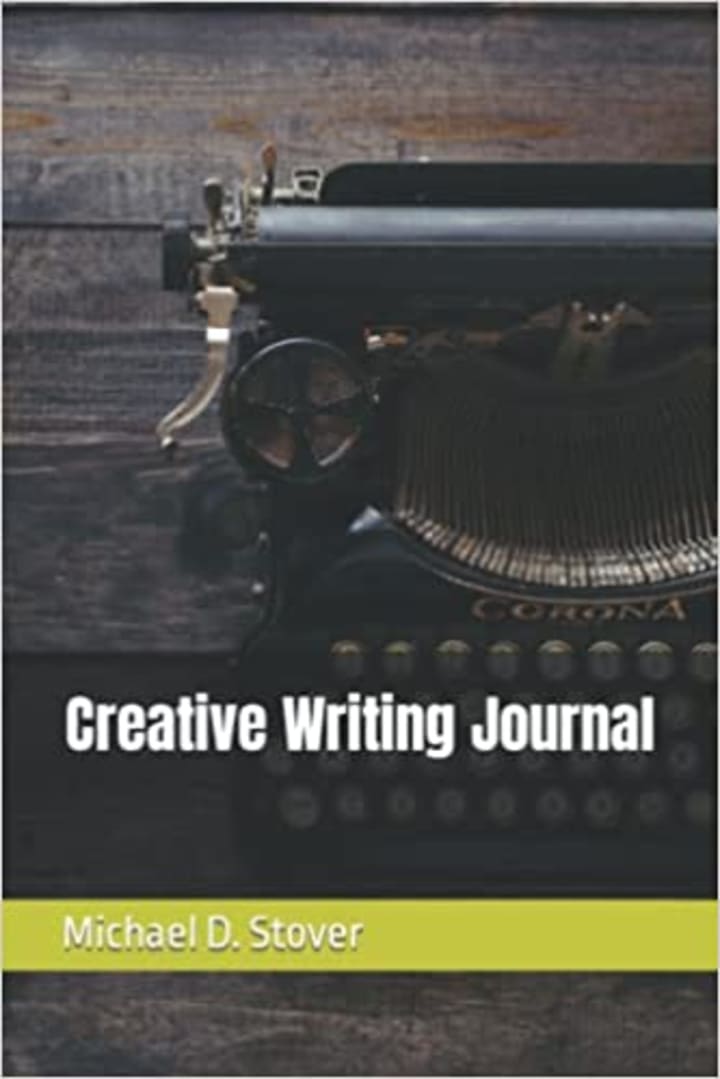
This Creative Writing Journal contains 30 writing prompts with plenty of space for recording your work. Tackle one prompt per day for a month, or do one a week as part of a structured writing program.
Order from Amazon in print format.
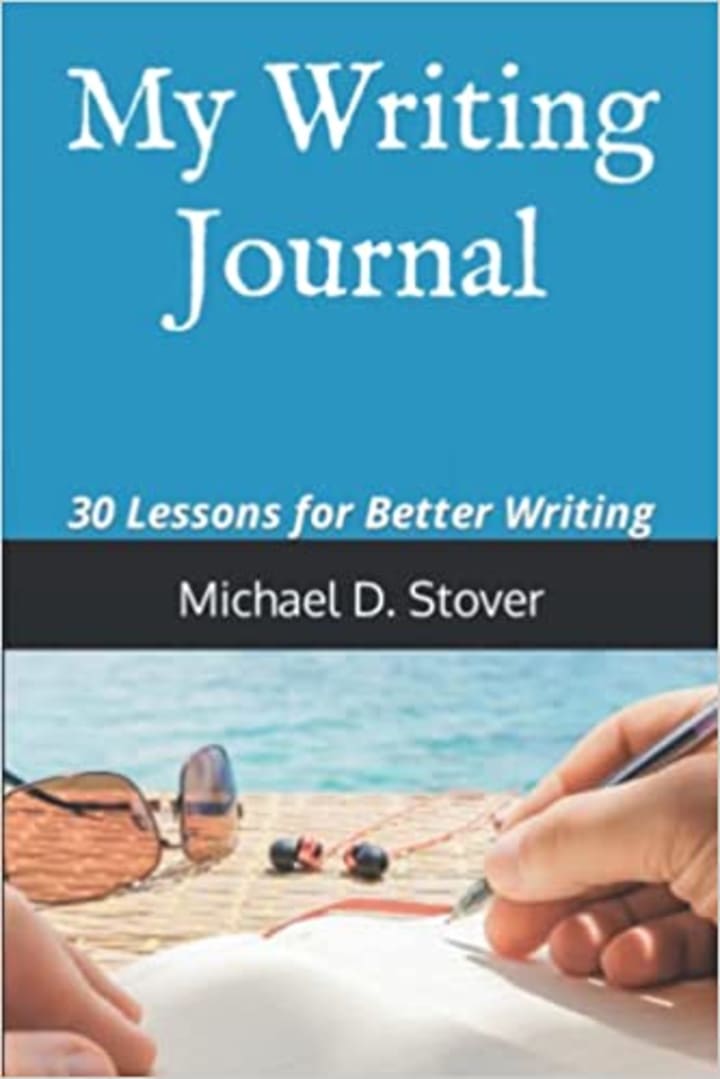
My Writing Journal is a working tool for the writer that is looking to improve their craft. Packed with writing tips and helps, this journal helps you work on improvement each week with 30 sessions on everything from grammar and writing mechanics to fine-tuning your skills and more. Work on a single exercise each week and watch your writing improve as you incorporate each lesson.
Order from Amazon in hardback or print formats.
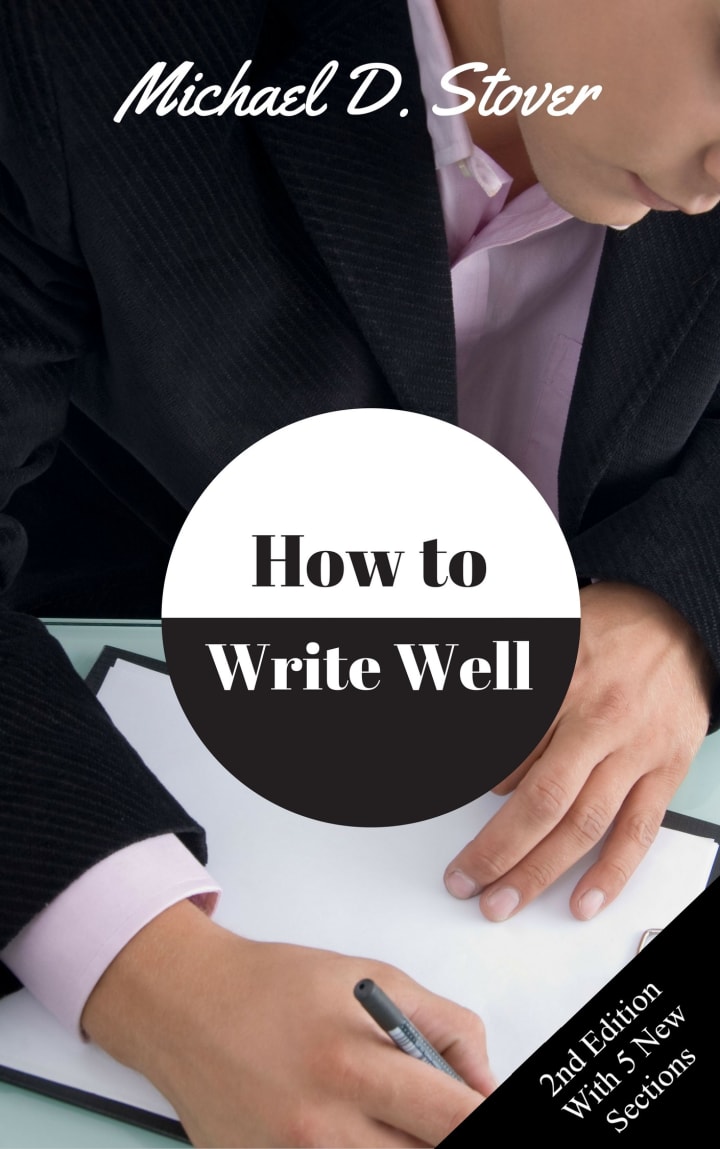
Have you ever wanted to improve your writing skills? Why is it important to write well? It seems like a silly question, but our writings precede us. Your writing often forms the first impression, and you only get one chance to make it. When writing, we send a message about ourselves. Learn from these simple lessons and realize a marked improvement in your writing after just the first 30 minutes!
About the Creator
Michael Stover
Father of five, proud grandfather, wife to one forever, cancer and COVID survivor, and experienced author and freelance copywriter. I write mostly about the craft of writing and operating a freelance business.
Keep reading
More stories from Michael Stover and writers in Lifehack and other communities.
The Freelance Revolution
Work is always in flux. What we do, how we do it, and how it impacts other aspects of life are ever-changing elements of developing societies. Every generation seems to have its own “great” work-life event. But recent generations have seen them pile on much faster.
By Michael Stoverabout a year ago in Journal
Old Phone Cozy
At some point, almost everyone reaches the same moment. Your phone still works, but it’s no longer new. The battery isn’t perfect. The camera isn’t the latest. Updates arrive more slowly. And yet, when you think about replacing it, you hesitate.
By abualyaanartabout 18 hours ago in Lifehack
📢 Raise Your Voice Thread: 01/22/2026
Our “Raise Your Voice Threads” are hosted most alternating Thursdays at 12PM ET to offer creators more avenues to uncover exceptional stories on Vocal. As we are continuously searching for fresh creators and inspiring stories, this thread provides an opportunity to exchange and discuss the stories that have moved and motivated us on Vocal.
By Raise Your Voice by Vocalabout 17 hours ago in Resources




Comments (1)
Thanks for sharing