
World Elder Abuse Awareness Day: Protecting Our Senior Citizens
This article delves into the significance of World Elder Abuse Awareness Day

Introduction
In today's society, it is crucial to bring attention to the issue of elder abuse and advocate for the well-being and safety of our senior citizens. World Elder Abuse Awareness Day serves as a reminder of the importance of protecting this vulnerable population. This article delves into the significance of World Elder Abuse Awareness Day, highlights the different forms of elder abuse, provides tips for prevention, and offers guidance on what to do if you suspect elder abuse. Let's explore this pressing issue together.
World Elder Abuse Awareness Day
What is World Elder Abuse Awareness Day?
World Elder Abuse Awareness Day, observed annually on June 15th, is an international initiative that aims to raise awareness about the mistreatment of older adults. It serves as a call to action for individuals, communities, and organizations to promote a society where elder abuse is not tolerated.
Why is World Elder Abuse Awareness Day important?
World Elder Abuse Awareness Day plays a vital role in shedding light on the often-hidden issue of elder abuse. By raising awareness, we can educate the public, policy-makers, and healthcare professionals about the signs, prevention, and intervention strategies related to elder abuse. This awareness can lead to the development of stronger support systems for elder abuse victims and the implementation of effective prevention measures.
When is World Elder Abuse Awareness Day observed?
World Elder Abuse Awareness Day is observed annually on June 15th. This day serves as a focal point for organizations and individuals to engage in activities, events, and campaigns aimed at promoting awareness and preventing elder abuse.
Forms of Elder Abuse
Elder abuse can take various forms, each with its own detrimental effects on the well-being and dignity of older adults. It is essential to recognize and understand these different forms to effectively address and prevent elder abuse.
Physical abuse
Physical abuse involves the use of force that results in bodily harm or pain. It can manifest as hitting, pushing, restraining, or any other act that causes physical harm to an older adult. Signs of physical abuse may include unexplained bruises, fractures, or injuries.
Emotional abuse
Emotional abuse refers to the infliction of anguish, distress, or mental pain through verbal or non-verbal means. Examples include yelling, name-calling, humiliating, or isolating an older adult. Behavioral changes, withdrawal, or depression may indicate emotional abuse.
Financial abuse
Financial abuse involves the unauthorized or improper use of an older adult's funds, property, or assets. This form of abuse can include theft, fraud, scams, or coerced changes to wills or power of attorney documents. Unusual bank transactions, sudden changes in financial status, or missing valuables may be red flags of financial abuse.
Neglect and self-neglect
Neglect occurs when a caregiver fails to provide the necessary care, attention, or resources required for an older adult's well-being. Self-neglect, on the other hand, refers to the older adult's own failure to meet their basic needs, leading to harm or endangerment. Signs of neglect or self-neglect may include poor personal hygiene, malnutrition, or unsafe living conditions.
Sexual abuse
Sexual abuse involves any non-consensual sexual activity perpetrated against an older adult. This form of abuse can include unwanted touching, rape, or any sexual contact without the older adult's consent. Physical injuries, changes in behavior, or expressions of fear or discomfort may indicate sexual abuse.
Prevention of Elder Abuse
Preventing elder abuse requires a multi-faceted approach that involves individuals, communities, caregivers, and society as a whole. By implementing preventive measures, we can create an environment that safeguards the well-being and rights of older adults.
Building strong support networks
Establishing strong support networks for older adults can help combat elder abuse. By nurturing relationships with family, friends, neighbors, and community organizations, older adults have a support system that can detect and intervene in cases of abuse.
Encouraging open communication
Encouraging open communication is crucial in preventing elder abuse. Older adults should feel comfortable discussing any concerns or issues they may be experiencing. By creating a safe space for dialogue, caregivers and family members can better identify potential instances of abuse and take appropriate action.
Recognizing warning signs
It is essential to recognize the warning signs of elder abuse to intervene effectively. Physical injuries, sudden behavioral changes, unexplained financial transactions, or isolation from social activities may be indicators of abuse. By staying vigilant and observant, we can identify potential cases and offer assistance.
Providing caregiver education and support
Educating caregivers about the needs and rights of older adults is essential for preventing abuse. Caregivers should be trained on proper caregiving techniques, stress management, and recognizing signs of abuse. Support groups and resources can also help caregivers navigate the challenges of providing care while minimizing the risk of abuse.
Ensuring proper legal protection
Implementing legal protections for older adults is crucial in preventing abuse and prosecuting offenders. Laws should address elder abuse, provide avenues for reporting, and offer remedies and support for victims. By ensuring the legal framework is in place, we can deter potential abusers and provide justice for victims.
What to Do if You Suspect Elder Abuse
If you suspect elder abuse, it is crucial to take immediate action to protect the individual and prevent further harm. Here are some steps you can take:
Document your observations
Start by documenting any observations or evidence of elder abuse. Take notes of specific incidents, dates, times, and any individuals involved. This documentation will serve as valuable evidence when reporting the abuse.
Report to the appropriate authorities
Contact your local Adult Protective Services (APS) or equivalent authority to report the suspected elder abuse. Provide them with all the relevant information you have gathered. Remember, it is better to report your concerns and let the professionals investigate than to ignore potential abuse.
Offer support and reassurance
If the older adult feels comfortable discussing the abuse, be a supportive listener. Offer reassurance that they are not alone and that help is available. Empower them to make decisions regarding their safety and well-being.
Encourage the individual to seek professional help
Encourage the older adult to seek professional help from healthcare providers, therapists, or support organizations specializing in elder abuse. These professionals can offer guidance, counseling, and assistance in navigating the complex challenges associated with abuse.
Follow up on the situation
Continue to follow up on the situation to ensure the older adult's safety. Stay in touch with the appropriate authorities and offer ongoing support to the individual. Elder abuse cases may require ongoing attention and care.
Frequently Asked Questions (FAQs)
What are the signs of elder abuse?
Signs of elder abuse may include unexplained bruises, sudden behavioral changes, financial irregularities, poor hygiene, and social isolation.
How can we raise awareness about elder abuse?
Raising awareness about elder abuse can be done through educational campaigns, community events, social media advocacy, and collaboration with local organizations.
Are there any legal protections for elder abuse victims?
Yes, many countries have laws and regulations in place to protect elder abuse victims. These laws provide avenues for reporting, investigation, and legal action against abusers.
What role does the community play in preventing elder abuse?
The community plays a crucial role in preventing elder abuse by fostering supportive environments, organizing educational programs, and promoting social inclusion for older adults.
How can financial exploitation of elders be prevented?
Financial exploitation can be prevented by educating older adults about common scams, promoting financial literacy, encouraging regular communication with trusted family members or advisors, and establishing safeguards such as power of attorney documents.
Can elder abuse be prevented through education?
Yes, education plays a vital role in preventing elder abuse. By raising awareness about the signs, prevention strategies, and legal rights, we can empower individuals to recognize and address elder abuse effectively.
Conclusion
World Elder Abuse Awareness Day serves as a reminder of our collective responsibility to protect and support our senior citizens. By recognizing the different forms of elder abuse, implementing preventive measures, and taking immediate action when abuse is suspected, we can create a safer and more compassionate society for older adults. Let us stand united in raising awareness, advocating for change, and ensuring the well-being of our elder population.
About the Creator
Keep reading
More stories from Ameenullah and writers in Lifehack and other communities.
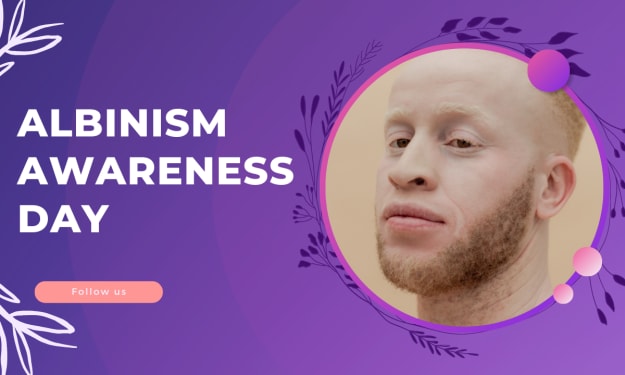
International Albinism Awareness Day
Introduction International Albinism Awareness Day is a significant global event aimed at raising awareness about albinism, a rare genetic condition that affects people worldwide. This day is celebrated annually on June 13th, with the purpose of promoting a better understanding of albinism and advocating for the rights and well-being of individuals living with this condition. In this article, we will delve into the history, challenges, and initiatives associated with International Albinism Awareness Day.
By Ameenullah3 years ago in Lifehack
DIY Herbal Remedies Anyone Can Make
There's something deeply satisfying about growing your own medicinal herbs. For centuries, our ancestors relied on backyard gardens not just for food, but for natural remedies that supported their health and well-being.
By Edward Smithabout 14 hours ago in Lifehack
Marble Floor or Tile Floor: Which One Actually Works for Your Home?
You're renovating your home, the walls are done, the furniture is picked, and then you hit the floor decision. Suddenly you're standing in a showroom holding two samples: one gorgeous slab of marble and one sleek porcelain tile, completely stuck between choosing a Marble Floor or Tile Floor.
By Brijesh Agarwat6 days ago in Lifehack
Early March 2026: 4 Goals Accomplished
It's early March and I've now accomplished my 4th writing goal for the year of 2026. Before diving into the behind-the-scenes of it... why not tell you up front what that accomplishment was? I was published in a 2nd publication for this year. Published in Helix Literary Magazine out of Central Connecticut State University. You can read it for free right now!
By Stephen Kramer Avitabilea day ago in Writers



Comments
There are no comments for this story
Be the first to respond and start the conversation.