
Winter Hiking Guide: Tips for Safe and Enjoyable Cold Weather Adventures
Embrace the Chill: Essential Tips for a Safe and Thrilling Winter Hike

Winter hiking can be a thrilling and rewarding experience, offering breathtaking landscapes and a sense of tranquility that’s hard to find during the warmer months. However, hiking in cold weather presents unique challenges that require proper preparation and safety measures. Whether you’re an experienced hiker or just starting out, here are essential tips to help you stay safe, comfortable, and fully enjoy your winter hiking adventures.
Why Winter Hiking is Worth the Effort
Winter hiking can be less crowded, giving you a chance to immerse yourself in nature without distractions. Snow-covered trails and ice-glazed trees create a magical landscape that’s hard to beat. Plus, hiking in cold weather provides a fantastic workout, with your body burning more calories to stay warm and navigate challenging terrain. However, it’s important to remember that with the beauty of winter hiking comes a need for extra safety precautions.
Essential Winter Hiking Tips

1. Plan Your Route and Check Weather Conditions
Before heading out, make sure you’re well-acquainted with your hiking route and have an understanding of the terrain. Winter can change familiar trails, making navigation more challenging, especially in snow. Use a reliable weather app to check current and future weather forecasts. Snowstorms, high winds, or sudden drops in temperature can quickly turn an enjoyable hike into a dangerous situation.
2. Dress in Layers for Optimal Warmth
Layering is key to staying comfortable in cold weather. Start with a moisture-wicking base layer, add an insulating layer, and finish with a waterproof, windproof outer layer. Each layer serves a purpose—keeping sweat off your skin, trapping warmth, and protecting you from snow and wind. For those looking to stay warm without the bulk, consider investing in premium cold-weather hiking clothes.
3. Choose the Right Gear
Having the right gear can make all the difference. Essentials include:
- Winter hiking boots: Insulated and waterproof boots are ideal for winter hiking. The best winter hiking boots should provide both warmth and good traction to prevent slipping on ice.
- Trekking poles: These help with balance, especially when navigating through snow or icy patches.
- Hand and foot warmers: Small but effective, these can keep extremities warm and comfortable, especially on longer hikes.
If you're planning an adventure in snow-covered areas, a set of snowshoes or crampons can be invaluable. And don’t forget to pack The best turmeric herbal supplements to help support your joints during the colder hikes and enhance overall vitality.
Safety Tips for Winter Hiking
1. Stick to Daylight Hours
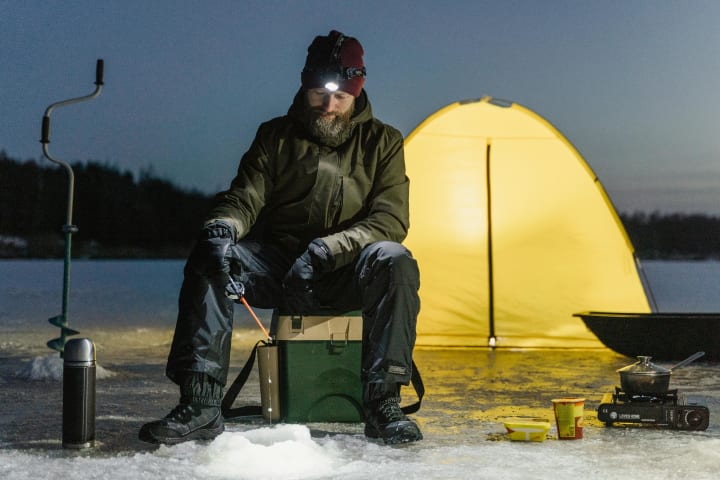
Daylight hours are shorter in winter, which makes it crucial to start your hike early and stick to a timeframe that allows you to finish before dusk. Hiking in low light is challenging and risky, particularly on icy or unfamiliar trails.
2. Stay Hydrated and Fueled
In cold weather, it’s easy to overlook hydration, but you still lose moisture through respiration and sweat. Bring an insulated water bottle to keep your water from freezing. Also, pack nutrient-dense snacks that provide energy over a longer period. Some hikers find that foods like nuts, dried fruit, or energy bars work well. Including Premium calcium mineral supplements in your diet prior to hiking can help maintain bone strength for those rugged winter trails.
3. Hike with a Partner or Group
Winter hiking is safer with others. In case of an injury or sudden weather change, a partner can assist you or get help. If you’re hiking alone, inform someone of your route and expected return time.
4. Be Prepared for Emergencies
Always carry a small first aid kit, a fire-starting kit, and a portable power bank for your phone. In snowier regions, a compact shovel can help dig yourself out of deep snow. Many experienced hikers also bring a lightweight emergency blanket for extra insulation if they’re stranded in cold weather.
Tips for Staying Warm on the Trail
1. Keep Moving to Generate Heat
When you stop for breaks, your body starts to cool down quickly. Keep moving to maintain body heat, but take short breaks as needed to avoid exhaustion. When you do stop, throw on an extra layer or use a warm, insulated pad to sit on instead of sitting directly on cold ground.
2. Protect Your Hands, Feet, and Face
Your extremities are particularly vulnerable to cold temperatures. Wear thermal gloves or mittens, insulated socks, and a winter hat. A neck gaiter or balaclava can help protect your face and neck from frostbite, especially in windy conditions.
3. Use the Right Layers for Ventilation
Winter hikes can become surprisingly warm once you start moving, and sweating too much can lead to chills once you slow down. Try adjusting your layers to avoid overheating. Ventilate by opening zippers or removing a hat if you start to feel too warm.
[Note: If you want to gain some AI prompts for article content visit here.]
What to Pack for Winter Hiking

- Navigation tools: GPS device, map, and compass
- Food and water: Calorie-dense snacks and an insulated water bottle
- Extra clothing layers: Including a down jacket or warm fleece
- Headlamp: With extra batteries in case you’re out after dark
- Safety supplies: First aid kit, whistle, fire starter, and emergency shelter
For those hiking with a focus on international gear, Imported Indian products like insulated water bottles and winter-ready hiking gloves can be excellent additions. Additionally, Imported Japanese products like ultra-light but durable trekking poles or compact winter coats can offer innovative functionality and comfort on your winter hikes.
How to Enjoy Your Winter Hiking Adventure
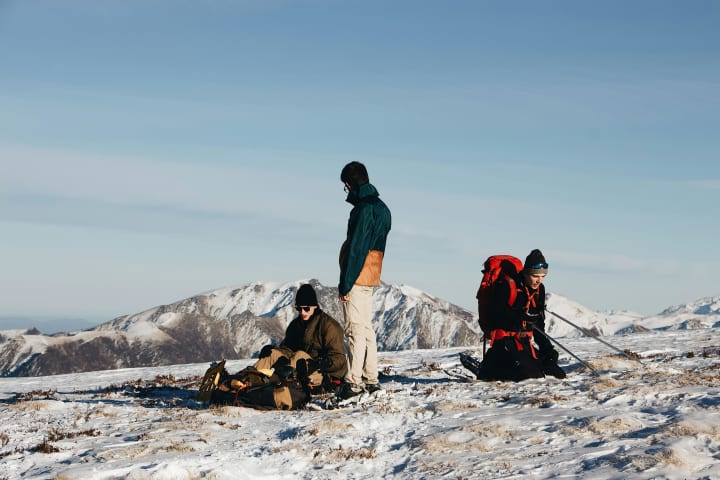
Winter hiking can be one of the most rewarding ways to experience the great outdoors. To fully enjoy your adventure, embrace the challenges, and respect nature’s beauty. Take in the sights, appreciate the solitude, and let the quiet of the snow-covered landscape rejuvenate your mind and spirit.
Remember, preparation is key to a successful winter hike. By following these tips, investing in the right gear, and staying mindful of the risks, you’ll be set for an exhilarating cold-weather adventure.
About the Creator
Stink Josh
I am A Professional writer with 10+ years of experience in content writing. I write thousands of content like articles, blogs, websites page content and many more.
Keep reading
More stories from Stink Josh and writers in Lifehack and other communities.
Must-Have Gadgets and Home Essentials: Top Picks for Electronics and Kitchen Upgrades
In today's fast-paced world, technology and home essentials play a crucial role in enhancing our daily lives. Whether you're looking to simplify household chores, improve your home entertainment setup, or boost kitchen efficiency, the right gadgets can make all the difference.
By Stink Joshabout a year ago in Lifehack
How to Recover Your Instagram Account: The Complete 2026 Guide
Losing access to your Instagram account can feel like being locked out of a digital life. With billions of users and accounts increasingly targeted by hackers, knowing exactly how to react is crucial. Whether you’ve been hacked, forgotten your password, or had your account disabled, this comprehensive guide walks you through every official recovery method. We base our advice on Instagram's official help resources and cybersecurity experts to ensure you can regain access quickly and secure your profile for the future.
By Alexander Hoffmannabout 19 hours ago in Lifehack
Top 10 Side Effects of Chia Seeds You Should Know
Chia seeds have gained huge popularity in recent years as a superfood. From smoothies and puddings to salads and oatmeal, these tiny seeds are often praised for their high fiber, omega-3 fatty acids, and protein content. Many people include them in their daily diet to support weight loss, digestion, and overall health.
By Veronica Bennett4 days ago in Lifehack
My First Time Skiing and I Got Lost, Alone, in the French Alps
Looking back, I can trace some of my life’s biggest adventures to a simple action from my sister. She’d introduced me to Tommy (a very long time ago), a colleague of hers, who had overshared his penchant for Italian-looking women, and I ticked that box.
By Chantal Christie Weissabout 20 hours ago in Humans


Comments
There are no comments for this story
Be the first to respond and start the conversation.