
Why Work-Life Balance Is Sacred in Europe: A Mental Health Awakening
In a fast-moving world, Europeans have chosen to slow down — and they’re happier for it. Here's what we can learn from their way of life.

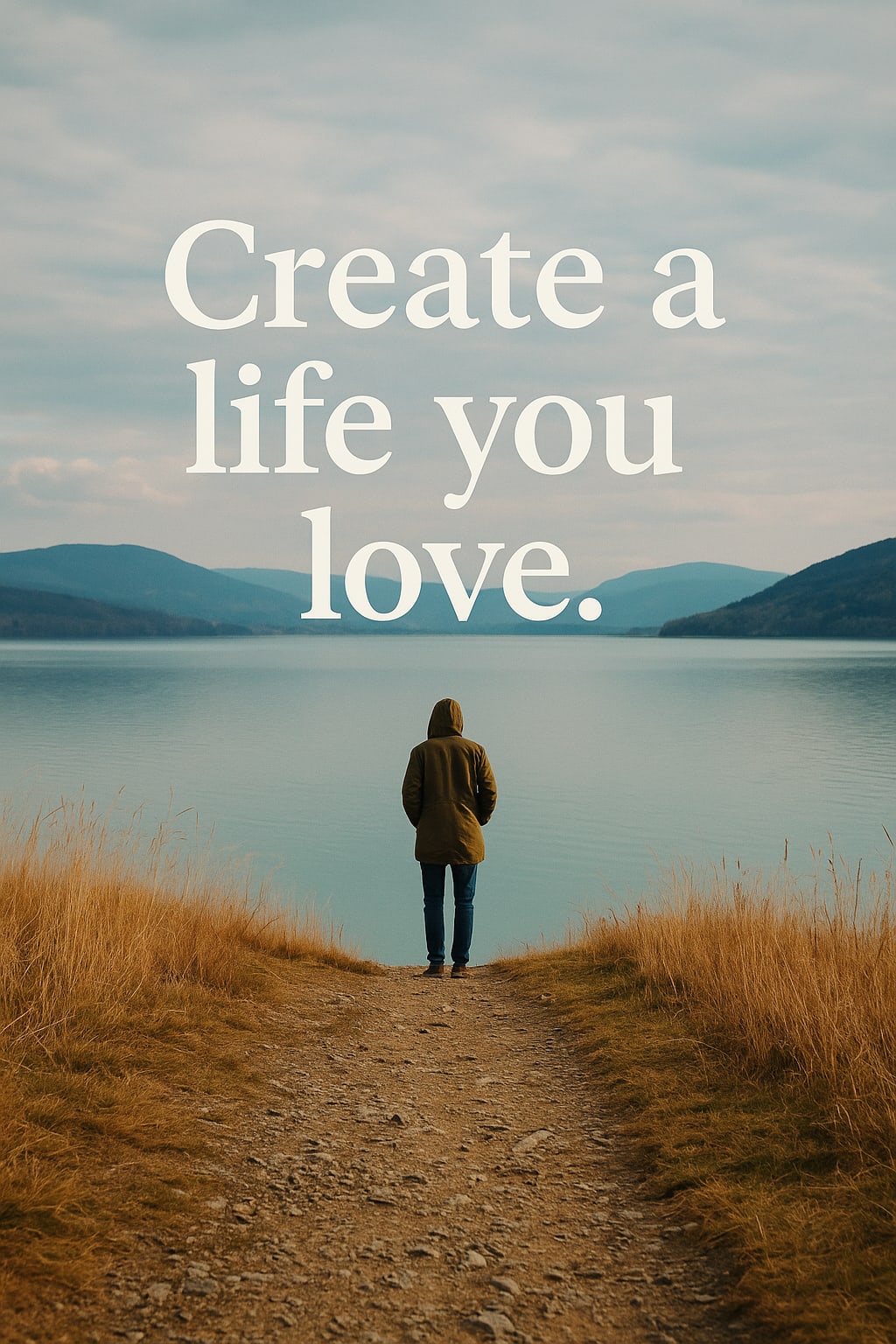
When the clock hits 5 PM in most European offices, the workday truly ends.
Emails go unanswered.
Laptops are shut.
Phones are silenced.
And life — real life — begins.
Unlike many parts of the world where work stretches into evenings and weekends, Europeans treat time off as sacred.
It’s not laziness.
It’s preservation.
They have learned something essential: mental health isn’t optional — it’s foundational.
In countries like France, lunch breaks can last for 90 minutes.
People gather, talk, eat, laugh.
In Spain, the siesta culture still exists in smaller towns.
Shops close.
People rest.
The rhythm of the day respects the body and the mind.
Northern Europe takes it even further.
In Sweden, the concept of “fika” — a break for coffee, pastries, and conversation — is a cultural institution.
It happens twice a day in many workplaces.
Not because workers are lazy.
Because they are human.
And humans need pause.
Now, let’s look at vacations.
In the United States, many workers fear taking time off.
In Europe?
It’s expected.
Mandatory, even.
France offers at least 5 weeks of paid leave.
Germany and the Netherlands follow closely.
People go to the mountains.
They walk in forests.
They sit beside lakes.
They unplug.
And when they return to work — they’re healthier, calmer, more focused.
The results are visible in mental health statistics.
Countries that value time off show lower rates of burnout and depression.
People sleep better.
They experience fewer stress-related illnesses.
They have more time for relationships, hobbies, and themselves.
It’s not just about taking breaks.
It’s about setting boundaries.
A concept many people struggle with.
In Germany, there are strict rules protecting workers’ right to disconnect after hours.
In France, the “right to disconnect” is protected by law.
That means your boss can’t legally expect you to answer work emails in the evening.
And that’s powerful.
Work-life balance isn’t a trend in Europe.
It’s a philosophy.
A lifestyle.
A recognition that people are more than their productivity.
More than their paychecks.
More than their deadlines.
Mental health is not hidden in hushed tones.
It’s discussed.
Respected.
Supported.
Governments fund mental health services.
Companies offer therapy support.
Friends ask how you're really doing — and mean it.
In Denmark, considered one of the happiest countries in the world, people prioritize family time over overtime.
Weekends are for community.
Evenings are for dinner together.
Rain or shine, they cycle through parks.
They meet for walks.
They live.
What’s the secret?
It’s simple.
Europeans believe that happiness isn’t earned — it’s built.
Not in big leaps.
But in daily decisions.
Small routines.
Gentle pauses.
Kind boundaries.
They don’t wait for burnout to take rest.
They rest before the burnout comes.
And maybe that’s what the rest of the world can learn.
That working nonstop doesn’t make you strong.
That sacrificing your health for your job doesn’t make you loyal.
That being constantly busy isn’t a badge of honor.
It’s a silent cry for help.
Europe’s approach is different.
It’s softer.
More human.
More honest.
They see rest as strength.
Balance as courage.
Boundaries as wisdom.
If you ever visit a park in Oslo, a beach in Barcelona, or a coffee shop in Vienna on a weekday afternoon, you might be surprised.
People are sitting. Smiling. Breathing.
And that — right there — is the point.
Final Thought (with 20 extra words):
In a world that rewards hustle, Europe reminds us to heal.
To slow down.
To reconnect with the parts of life that can’t be measured in money.
To value stillness, protect our peace, listen to our bodies, and build a life where joy is not postponed — but lived daily.
About the Creator
Keep reading
More stories from Abuzar Khan and writers in Lifehack and other communities.
How to Recover Your Instagram Account: The Complete 2026 Guide
Losing access to your Instagram account can feel like being locked out of a digital life. With billions of users and accounts increasingly targeted by hackers, knowing exactly how to react is crucial. Whether you’ve been hacked, forgotten your password, or had your account disabled, this comprehensive guide walks you through every official recovery method. We base our advice on Instagram's official help resources and cybersecurity experts to ensure you can regain access quickly and secure your profile for the future.
By Alexander Hoffmann3 days ago in Lifehack
Top 10 Side Effects of Chia Seeds You Should Know
Chia seeds have gained huge popularity in recent years as a superfood. From smoothies and puddings to salads and oatmeal, these tiny seeds are often praised for their high fiber, omega-3 fatty acids, and protein content. Many people include them in their daily diet to support weight loss, digestion, and overall health.
By Veronica Bennett6 days ago in Lifehack
My First Time Skiing and I Got Lost, Alone, in the French Alps
Looking back, I can trace some of my life’s biggest adventures to a simple action from my sister. She’d introduced me to Tommy (a very long time ago), a colleague of hers, who had overshared his penchant for Italian-looking women, and I ticked that box.
By Chantal Christie Weiss3 days ago in Humans


Comments
There are no comments for this story
Be the first to respond and start the conversation.