
Why Flagship Phones in 2026 Feel Boring (And What Actually Matters Now)
We’re getting faster chips and smarter AI, but the real user experience has barely improved—and that’s the problem

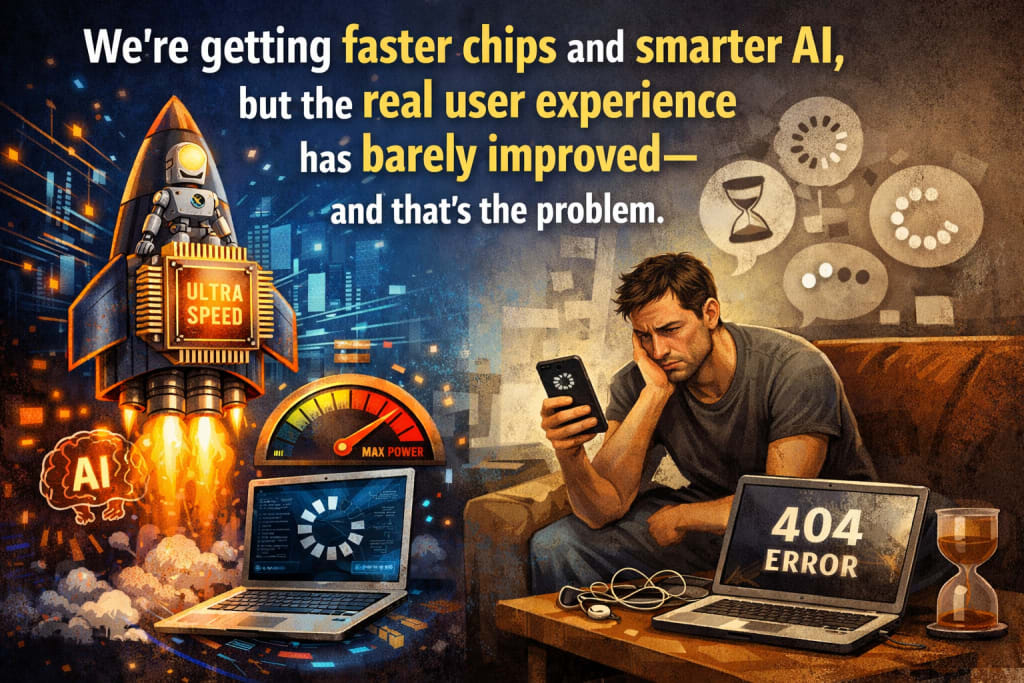
For the first time in years, I noticed myself doing something unique.
A big flagship phone arrived, my newsfeed was full of anticipation, camera comparisons, AI demos, and “first impressions” videos… and I felt nothing.
No excitement. No urgency. No curiosity strong enough to make me examine the price.
If you asked me in 2020, I’d never believe I’d say this. Back then, the difference between phones was dramatic: screens jumped, cameras altered, battery life improved, and charging got faster. Each year actually felt like the future arriving.
But in 2026, flagship phones are starting to feel mundane.
Not because they’re bad—many are fantastic. But because the industry is locked in a loop: more power, more AI, more features… without fixing the problems that genuinely frustrate people every day.
This isn’t just a “tech reviewer” complaint. It’s something normal users feel too, even if they can’t define it.
So here’s the real question:
Why do flagship phones feel less thrilling in 2026—and what actually matters now more than ever?
Let’s talk about it honestly.
1) The flagship “performance race” is virtually over.
In 2026, most high-end phones:
open apps instantly.
scroll smoothly
manage heavy multitasking
run challenging games with ease
Even upper-midrange phones do this now.
So when brands say,
“This chip is 18% faster and 25% more efficient!”
That’s impressive on paper.
But most people won’t feel it.
The truth:
Flagship performance doesn’t matter if your phone still:
heats up during video calls
loses battery overnight
delays after an update
kills apps aggressively
stutters because storage is full
That’s not performance—that’s consistency.
And consistency is what people actually notice.
2) AI is ubiquitous, but the experience is inconsistent.
AI is the key selling point in 2026.
We’re getting:
AI photo editing
AI summaries
AI call translation
AI writing tools
AI “smart assistant” upgrades
But here’s the uncomfortable reality:
AI characteristics often feel like
tools you use once
features you forgot exist
choices concealed in menus
Also, many AI characteristics depend on
region availability
language support
internet connection
privacy permissions
cloud processing
Meaning: two persons buying the same phone can have quite different experiences.
AI is useful, certainly. But it’s not stable enough to be the reason you upgrade—at least not yet.
3) Cameras are amazing… but camera bumps are out of control.
Flagships in 2026 have reached camera greatness.
Most phones currently take:
wonderful portraits
crisp daytime shots
amazing night mode photos
But the hardware needs have created a new problem:
The camera bump problem
Phones are:
unsteady on tables
heavier
uncomfortable in pockets
uncomfortable to hold for long
And the funniest part?
Most individuals use:
1x camera
portrait mode occasionally
brief video clips
Yet phones are constructed like everyone is making documentaries.
For many users, camera quality in 2026 is already “good enough.”
What people want now is:
greater shutter speed consistency
less motion blur
natural skin tones
no aggressive AI sharpening
Those are software problems, not hardware ones.
4) Battery life is still the biggest disappointment in 2026.
You know what’s wild?
We have:
4K displays
120 Hz refresh rates
ultra-fast processors
AI background processing
always-on connectivity
But most phones still struggle to deliver really stress-free battery life.
A full-day phone should mean:
no charging anxiety
no turning off features
no lugging power bank daily.
Yet many flagships still finish up at:
20% by late afternoon
10% by nightfall if heavy use
What we actually need:
less heat
steady standby time
improved battery health preservation
better background app control
And most importantly: battery longevity, not just battery capacity.
5) Software has become the key “flagship feature.”
Here’s the genuine shift.
From 2018 to 2022, hardware was king.
In 2026, software is everything: updates, smoothness,
UI stability
bug fixes
battery tuning app optimization
This is why iPhones and Pixels typically feel more consistent:
not always best specs
but more predictable experience
Even Android brands now advertise:
5–7 years updates
extended security support
AI software tools
That’s where the struggle has moved.
6) The new luxury isn’t specs—it’s less worry.
What’s the premium experience now?
Not a 200MP camera.
Not 24GB RAM.
The premium experience is:
phone that never overheats
battery that lasts
apps that don’t crash
no lag after updates
notifications that work properly
reliable Bluetooth and Wi-Fi
Flagship phones feel uninteresting because brands are selling “more” instead of offering “better.”
Final thought: We don’t need smarter phones—we need calmer phones.
In 2026, I don’t want my phone to be a robot.
I want it to be:
reliable, stable, fast enough, efficient, predictable
Flagships feel uninteresting because they’ve achieved a level of awesomeness.
Now the next evolution isn’t bigger specs.
It’s a better everyday experience.
Disclaimer
This essay offers personal analysis and user-experience observations based on current smartphone trends. Opinions may vary depending on brand preference, locality, and individual usage habits.
About the Creator
abualyaanart
I write thoughtful, experience-driven stories about technology, digital life, and how modern tools quietly shape the way we think, work, and live.
I believe good technology should support life
Abualyaanart
Keep reading
More stories from abualyaanart and writers in Lifehack and other communities.
The 2026 Complete Guide to Legitimate Wi-Fi Password Recovery: Methods, Tools & Protection
Disclaimer: This article is for educational purposes and legitimate password recovery only. Always obtain proper authorization before accessing any network. Unauthorized network access violates laws in most jurisdictions.
By Alexander Hoffmann7 days ago in Lifehack
The Calm Within the Chaos: How Grounding Yourself Can Change Your Life
I know what it feels like to wake up already overwhelmed, as if the day is asking more from you than you have to give. Your phone lights up, your thoughts speed up, and your body tightens before anything has actually gone wrong.
By Anie Liban5 days ago in Lifehack
🅼🅸🅳🅽🅸🅶🅷🆃 🆂🅽🅰🅲🅺🆂
"It's 10 in Tuscon! We all know what that means... It's Time for Midnight Snacks with your man, Gerald Gee! Ready to spend the night together? Me too! I'm full of snacks and can't wait to regurgitate them all back into your hungry ears. Crack a brew! Pop some corn! Anything to get ready for one hell of a show where the talk maybe cheap but the words cut deep...
By Lamar Wiggins2 days ago in Fiction


Comments
There are no comments for this story
Be the first to respond and start the conversation.