
White Tea Leaves: Savoring Nature’s Purest Brew
White Tea Leaves

Introduction
White tea, revered for its delicate flavor and subtle elegance, is a gem in the world of tea. Crafted from the tender white tea leaves of the Camellia sinensis plant, this minimally processed tea offers a light, floral, and slightly sweet profile that captivates those seeking a refined, calming experience. Known for its low caffeine content and high antioxidant levels, white tea is perfect for moments of mindfulness and tranquility. From the silvery buds of Silver Needle to the nuanced leaves of White Peony, white tea leaves embody purity and artistry. In this blog, we’ll explore their origins, health benefits, brewing techniques, and tips for selecting the best varieties, inviting you to savor a tea that whispers sophistication.
What Are White Tea Leaves?
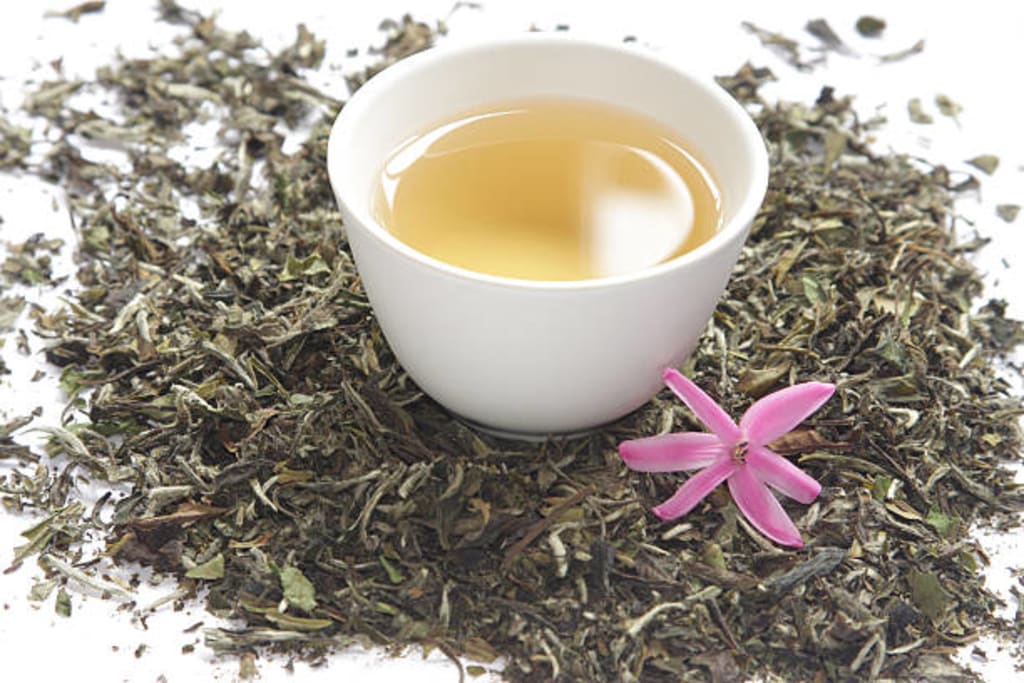
White tea leaves are the young, tender leaves and buds of the Camellia sinensis plant, harvested in early spring to capture their delicate essence. Unlike green or black teas, white tea undergoes minimal processing, with leaves withered and dried to prevent oxidation, preserving their natural compounds. This gentle approach retains high levels of catechins and polyphenols, contributing to its health benefits and subtle flavors, often floral, honeyed, or melon-like. The leaves, covered in fine white hairs—especially in varieties like Silver Needle—give white tea its name. Available as loose-leaf or in premium blends like White Peony, white tea leaves offer a pure, elegant tea experience for discerning drinkers.
Origins and Cultural Significance
White tea originated in China’s Fujian province during the Tang Dynasty (618–907 CE), initially crafted as a luxury for imperial courts, symbolizing purity and refinement. Fujian’s Fuding and Zhenghe regions remain the epicenter of white tea production, producing iconic varieties like Silver Needle and White Peony. In Chinese culture, white tea is valued for its calming properties, often enjoyed in meditative tea rituals that emphasize simplicity and mindfulness. Its minimal processing reflects a deep respect for nature, connecting drinkers to ancient traditions. Today, white tea’s global popularity blends this rich heritage with modern wellness trends, offering a serene ritual for those seeking balance and elegance in their daily lives.
Why Choose White Tea Leaves?
White tea leaves are prized for their purity and quality. Organic white tea, grown without synthetic pesticides or fertilizers, ensures a clean, safe product while supporting sustainable farming practices. The minimal processing preserves antioxidants and delicate flavors, offering a superior sensory experience compared to more processed teas. Loose-leaf white tea allows leaves and buds to unfurl, releasing nuanced aromas and enabling multiple infusions, unlike tea bags, which often contain crushed fragments. Buy white tea at Backyard Brew, where their certified organic Silver Needle and White Peony from Fujian deliver authentic, delicate flavors for a refined ritual. Choosing white tea leaves reflects a commitment to health, sustainability, and the art of tea, transforming each cup into a moment of serenity.
Health Benefits of White Tea Leaves
White tea leaves are a wellness treasure, with minimal processing preserving their potent bioactive compounds:
- Antioxidant Power: High in catechins like EGCG and polyphenols, white tea neutralizes free radicals, reducing inflammation and supporting cellular health.
- Skin Health: Antioxidants may protect against UV damage and promote youthful, radiant skin.
- Heart Health: Studies suggest white tea can lower LDL cholesterol and improve blood vessel function, supporting cardiovascular wellness.
- Mental Calm: Low caffeine (15–30 mg per cup) and L-theanine provide gentle, jitter-free alertness.
- Immune Support: Polyphenols and vitamins bolster immunity, helping protect against seasonal illnesses.
Organic white tea leaves, free from chemical residues, maximize these benefits, making them a pure, health-conscious choice for daily sipping.
Brewing the Perfect Cup
Brewing white tea leaves requires care to preserve their delicate flavors and benefits. Follow these steps:
- Water Temperature: Use 160–185°F (70–85°C) to avoid scorching the leaves. Silver Needle prefers cooler water (160°F or 70°C).
- Tea-to-Water Ratio: Use 1–2 teaspoons of loose-leaf tea per 8 ounces of water for a balanced brew.
- Steeping Time: Steep for 2–4 minutes for the first infusion, tasting to avoid bitterness. Increase slightly for subsequent steeps (up to 3–5 infusions).
- Equipment: A gaiwan, glass teapot, or basket infuser allows leaves to expand, enhancing flavor and aroma.
Use filtered water for a clean taste and store white tea in an airtight, opaque container away from light and moisture to maintain freshness. Avoid additives to savor its natural subtlety, though a touch of honey can enhance floral notes if desired.
Pairing White Tea Leaves with Food
The delicate, nuanced flavors of white tea leaves pair beautifully with light, refined foods:
- Seafood: Silver Needle complements scallops or white fish, enhancing their delicate sweetness.
- Desserts: White Peony pairs with fruit tarts or vanilla pastries, echoing its floral, honeyed notes.
- Vegetables: White tea matches steamed greens or zucchini, aligning with its light, vegetal character.
- Cheese: Soft cheeses like brie or camembert harmonize with white tea’s creamy undertones.
For a tea tasting, serve white tea with small bites like cucumber sandwiches or macarons, creating an elegant experience that highlights its subtle complexity.
Creative Uses for White Tea Leaves
White tea leaves offer versatility beyond the teacup, enriching your lifestyle with creative applications:
- Skincare: Use steeped white tea leaves as a face mask or toner to harness antioxidants for soothing, radiant skin.
- Cooking: Infuse white tea into broths or sauces for a subtle, floral depth.
- Mindful Ritual: Pair white tea with meditation or reading, sipping slowly to foster calm and presence.
- Cold Brew: Steep leaves in cold water for 6–8 hours for a refreshing, delicate drink.
These uses make white tea leaves a versatile addition to your routine, blending flavor, health, and mindfulness.
Conclusion
White tea leaves are a celebration of purity, elegance, and wellness, offering a delicate yet profound tea experience. From the silvery buds of Silver Needle to the nuanced leaves of White Peony, these teas invite mindfulness and serenity with every sip. By choosing high-quality, organic leaves and brewing with care, you can transform your tea ritual into a moment of balance and joy. Whether seeking health benefits, cultural connection, or a refined brew, white tea leaves deliver a timeless experience. Embrace their subtle beauty and make them a cherished part of your daily wellness journey, savoring the delicate dance of flavor in every cup.
FAQs
1. What makes white tea leaves different from other teas?
White tea leaves are minimally processed with little to no oxidation, preserving their delicate flavor and high antioxidant content compared to green or black teas.
2. How long do white tea leaves stay fresh?
Stored in an airtight, opaque container in a cool, dark place, they remain fresh for up to 18 months, best within 6–12 months.
3. Does white tea contain caffeine?
Yes, it has low caffeine (15–30 mg per cup), paired with L-theanine for gentle, calm alertness.
4. Can white tea leaves be steeped multiple times?
Yes, high-quality white tea can be steeped 3–5 times, with each infusion revealing subtle flavor variations.
5. Why buy from trusted retailers like Backyard Brew?
Trusted retailers like Backyard Brew offer organic, ethically sourced white teas, ensuring premium quality and authentic, delicate flavors for a superior tea experience.
About the Creator
Backyard Brew
Since 2016, Backyard Brew has been crafting unique coffee and tea blends that bring comfort and joy to every cup. Experience our local touch in every sip.
Keep reading
More stories from Backyard Brew and writers in Lifehack and other communities.
Pu-erh Tea: Explore the World of Aged Fermented Flavor
Introduction Pu-erh tea, a fermented treasure from China’s Yunnan province, stands out in the world of tea for its rich, earthy flavors and remarkable ability to evolve over time. Unlike other teas, Pu-erh’s unique microbial fermentation process crafts a complex brew that ranges from bold and smooth to intricate and fruity. Whether you’re captivated by the immediate depth of ripe Pu-erh or the aging potential of raw Pu-erh, buying Pu-erh tea opens a gateway to a storied tradition. Online tea shops make accessing premium Pu-erh effortless, offering variety and quality at your fingertips. In this blog, we’ll explore Pu-erh’s origins, health benefits, brewing techniques, and tips for purchasing the finest varieties, guiding you toward a transformative tea ritual.
By Backyard Brew6 months ago in Lifehack
Why Smartphones in 2026 Will Feel Very Different From the Ones You Use Today
The top phones from 2024 and 2025 don't appear that different when you put them next to each other. The displays are a little brighter. The cameras are a bit clearer. The CPUs are a little speedier. But in real life, things haven't altered much. You still swipe. You still tap. You still plug in your phone every night. You still care about battery life.
By abualyaanart4 days ago in Lifehack
5 Essential Daily Habits for a Healthier and More Productive Life in 2026
In the fast-paced world of 2026, where digital distractions and high-stress environments are common, maintaining a healthy and productive lifestyle has become more important than ever. Many of us strive for success, but we often forget that true success starts with a healthy body and a clear mind. You do not need to make massive changes overnight to see results. Instead, focusing on small, consistent daily habits can create a significant positive impact over time.
By MD. Rahmat Ullah5 days ago in Lifehack


Comments
There are no comments for this story
Be the first to respond and start the conversation.