
Pu-erh Tea: Explore the World of Aged Fermented Flavor
Pu-erh Tea

Introduction
Pu-erh tea, a fermented treasure from China’s Yunnan province, stands out in the world of tea for its rich, earthy flavors and remarkable ability to evolve over time. Unlike other teas, Pu-erh’s unique microbial fermentation process crafts a complex brew that ranges from bold and smooth to intricate and fruity. Whether you’re captivated by the immediate depth of ripe Pu-erh or the aging potential of raw Pu-erh, buying Pu-erh tea opens a gateway to a storied tradition. Online tea shops make accessing premium Pu-erh effortless, offering variety and quality at your fingertips. In this blog, we’ll explore Pu-erh’s origins, health benefits, brewing techniques, and tips for purchasing the finest varieties, guiding you toward a transformative tea ritual.
What Is Pu-erh Tea?
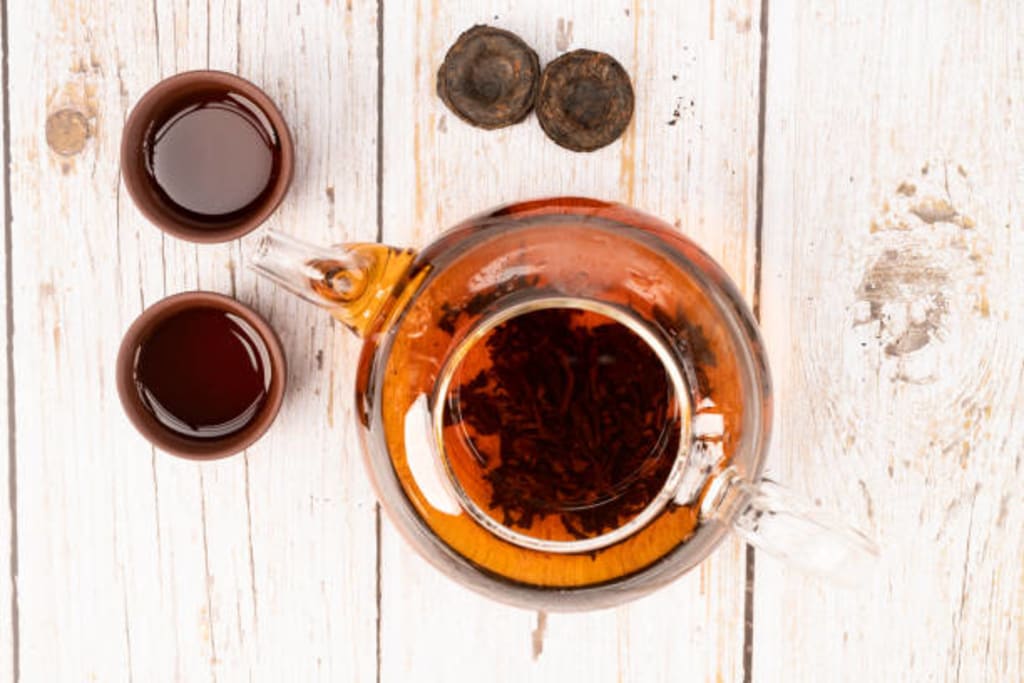
Pu-erh tea is made from the leaves of the Camellia sinensis plant, grown primarily in Yunnan’s mountainous regions. Its defining characteristic is microbial fermentation, which sets it apart from green, black, or oolong teas. Raw (sheng) Pu-erh is naturally aged, developing woody, fruity, or floral notes over years, while ripe (shou) Pu-erh undergoes accelerated fermentation for a darker, smoother taste ready for immediate drinking. Available as loose leaves or compressed into cakes, bricks, or tuo cha, Pu-erh appeals to collectors and casual sippers alike. This fermentation process not only enhances flavor complexity but also introduces probiotics, making Pu-erh a distinctive, evolving addition to any tea collection.
Origins and Cultural Significance
Pu-erh’s history stretches over 1,700 years, originating in Yunnan as a key trade item along the ancient Tea Horse Road, where it was exchanged across Asia for goods and currency. Named after the trading hub of Pu’er, the tea was compressed for easier transport, a practice that also enhanced its aging potential. In Chinese culture, Pu-erh is prized for its digestive benefits, often served after rich meals to aid digestion. Aged raw Pu-erh, with its intricate flavors, is a collector’s gem, with some cakes fetching high prices at auctions. The fermentation process embodies patience and craftsmanship, connecting modern drinkers to centuries-old traditions. Pu-erh remains a symbol of heritage, resilience, and the artistry of tea-making.
Why Buy Pu-erh Tea?
Purchasing Pu-erh tea offers access to a specialty tea with unparalleled depth and versatility. Online retailers provide a wide range of options, from affordable ripe Pu-erh to rare, aged raw cakes, often sourced directly from Yunnan’s tea farms. Detailed product descriptions—covering harvest dates, fermentation types, and flavor profiles—make informed choices straightforward. Customer reviews and brewing guides demystify Pu-erh for newcomers, while sampler sets and subscriptions ensure variety and convenience. Discover our selection of Pu-erh teas at Backyard Brew, featuring organic, ethically sourced raw and ripe varieties that deliver authentic, premium flavors for a refined tea experience. This accessibility makes buying Pu-erh online ideal for curating a personalized, high-quality tea collection.
Health Benefits of Pu-erh Tea
Pu-erh tea is renowned for its potential health benefits, blending ancient wisdom with modern research:
- Digestive Health: Fermentation introduces probiotics that may support gut health, making Pu-erh a go-to after heavy meals.
- Weight Management: Studies suggest Pu-erh can boost metabolism and reduce fat storage, aiding weight goals alongside a healthy lifestyle.
- Antioxidant Properties: Polyphenols combat free radicals, reducing inflammation and promoting overall wellness.
- Cholesterol Health: Research indicates Pu-erh may lower LDL cholesterol, supporting cardiovascular function.
- Mental Clarity: Moderate caffeine (30–70 mg per cup) and L-theanine provide calm, focused energy without jitters.
These benefits, paired with its smooth, low-astringency profile, make Pu-erh a nourishing choice for daily sipping, offering both health and enjoyment.
Choosing the Right Pu-erh Tea
Selecting high-quality Pu-erh tea requires attention to several factors:
- Raw vs. Ripe: Raw (sheng) Pu-erh is ideal for aging or exploring complex flavors, while ripe (shou) offers immediate, mellow satisfaction.
- Age: Raw Pu-erh improves over 5–20 years, developing richer flavors, while ripe Pu-erh is ready to drink upon purchase.
- Quality: Choose organic, ethically sourced teas with transparent details on origin, harvest, and processing.
- Form: Loose-leaf is convenient for daily brewing, while compressed cakes are suited for aging or gifting.
- Retailer Reputation: Opt for trusted retailers with fresh stock, clear sourcing, and reliable customer support.
Sampler sets or small quantities allow you to test different Pu-erhs, helping you find a tea that aligns with your taste and preferences.
Brewing the Perfect Cup of Pu-erh
Brewing Pu-erh tea enhances its rich, evolving flavors. Follow these steps:
- Rinse the Leaves: Steep in hot water for 1–2 seconds and discard to “wake” the leaves and remove dust, especially for compressed Pu-erh.
- Water Temperature: Use near-boiling water (195–212°F or 90–100°C) to extract depth.
- Tea-to-Water Ratio: Use 1–2 teaspoons of loose-leaf or 5–7 grams of compressed tea per 6–8 ounces of water.
- Steeping Time: Steep for 10–30 seconds for the first infusion, increasing slightly for subsequent steeps. Pu-erh can yield 10–15 infusions.
- Equipment: A gaiwan or small teapot is ideal for multiple infusions, allowing leaves to expand fully.
Store Pu-erh in a breathable, odor-free environment to maintain quality, particularly for aging raw Pu-erh. This method ensures a robust, aromatic cup every time.
Pairing Pu-erh Tea with Food
Pu-erh’s earthy, mellow flavors pair beautifully with a variety of foods, enhancing both casual and gourmet meals:
- Rich Dishes: Ripe Pu-erh complements fatty meats, dim sum, or creamy cheeses, balancing their intensity.
- Desserts: Raw Pu-erh’s fruity or woody notes pair with dark chocolate, nutty pastries, or dried fruit.
- Spicy Foods: Pu-erh’s smooth profile soothes the palate alongside spicy Asian or Indian dishes.
- Breakfast: A bold Pu-erh matches eggs or oatmeal, grounding your morning.
For a tea tasting, serve Pu-erh with small bites like almonds or figs, highlighting its evolving infusions in an elegant setting.
Creative Uses for Pu-erh Tea
Pu-erh tea offers versatility beyond the cup, enriching your lifestyle with creative applications:
- Cooking: Use brewed Pu-erh as a base for soups or braises, adding earthy depth.
- Morning Ritual: Start with ripe Pu-erh for a gentle, grounding boost.
- Evening Calm: Sip raw Pu-erh to unwind, pairing it with reflection.
- Cocktails: Blend brewed Pu-erh with whiskey or citrus for a bold, tea-infused drink.
These uses make Pu-erh a dynamic ingredient, weaving flavor and wellness into daily life.
Conclusion
Buying Pu-erh tea unlocks a world of fermented artistry, rich with flavor, history, and health benefits. From its ancient Yunnan origins to its modern global appeal, Pu-erh offers a dynamic tea experience that evolves with each infusion. By selecting high-quality teas from trusted retailers and brewing with care, you can elevate your tea ritual into a moment of depth and discovery. Whether savoring a smooth ripe Pu-erh or aging a raw cake for future enjoyment, Pu-erh enriches your life with every sip. Embrace this fermented masterpiece and make it a cherished part of your tea journey.
FAQs
1. What’s the difference between raw and ripe Pu-erh tea?
Raw (sheng) Pu-erh is naturally aged, developing complex flavors over years, while ripe (shou) is artificially fermented for a smoother, darker taste ready for immediate consumption.
2. How long can Pu-erh tea be stored?
Raw Pu-erh can age for decades in a breathable, odor-free environment, improving with time; ripe Pu-erh is best enjoyed within a few years.
3. Does Pu-erh tea contain caffeine?
Yes, it has moderate caffeine (30–70 mg per cup), varying by age and type, offering a balanced lift with L-theanine for focus.
4. Why buy Pu-erh tea online instead of in stores?
Online retailers offer a wider selection, including rare aged teas, detailed information, and better pricing with convenient delivery.
5. Can Pu-erh tea be steeped multiple times?
Yes, Pu-erh can be steeped 10–15 times, with each infusion revealing new flavors, making it ideal for Gongfu-style brewing.
About the Creator
Backyard Brew
Since 2016, Backyard Brew has been crafting unique coffee and tea blends that bring comfort and joy to every cup. Experience our local touch in every sip.
Keep reading
More stories from Backyard Brew and writers in Lifehack and other communities.
Strongest Black Tea: Bold Flavor in Every Sip
Introduction Black tea, with its deep, robust flavor and invigorating energy, is a beloved staple for tea enthusiasts worldwide. For those seeking a powerful, full-bodied brew, the strongest black tea varieties offer unmatched intensity, high caffeine content, and bold character. From the malty richness of Assam to the smoky depth of Lapsang Souchong, these teas are ideal for kickstarting mornings or fueling focused afternoons. Their strength stems from full oxidation, high caffeine levels, and often smaller leaf grades that release flavor rapidly. In this blog, we’ll explore what defines a strong black tea, highlight top varieties, share brewing tips, and delve into their cultural significance, inviting you to embrace the vibrant world of bold black teas.
By Backyard Brew8 months ago in Lifehack
A More Human Vocal
When we launched Vocal nearly a decade ago, the world was a very different place. LLMs did not exist, and stories were created one at a time by people sitting down to write, revise, and share something personal. Many of our assumptions about publishing, trust, and participation were built for a world where effort and output were inseparable.
By Justin @ Vocal7 days ago in Resources


Comments
There are no comments for this story
Be the first to respond and start the conversation.