
Which Is Healthier: Whole or Skimmed Milk?
Exploring the Health Benefits and Nutritional Differences of Whole and Skimmed Milk

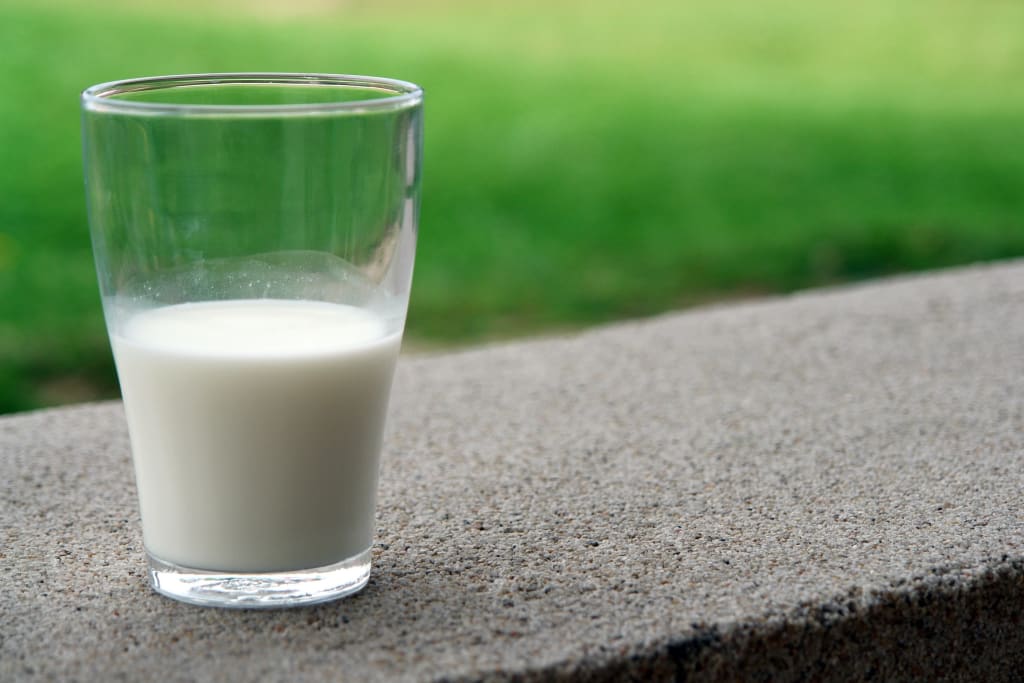
Milk is a nutritious beverage that is consumed worldwide and provides essential nutrients like calcium, protein, vitamins, and minerals. When it comes to choosing the right type of milk, there are various options available, including whole milk and skimmed milk. Both types of milk have their own unique characteristics and benefits. In this article, we will compare whole milk and skimmed milk to help you determine which one is better for you.
1. Understanding Whole Milk
Whole milk is a type of milk that contains a higher fat content compared to other varieties. It is often referred to as full-fat milk. Whole milk is obtained by pasteurizing and homogenizing fresh cow's milk. It retains the natural fats present in milk, giving it a rich and creamy texture.
2. The Benefits of Whole Milk
Whole milk offers several benefits due to its higher fat content. The fat in whole milk provides a source of energy and aids in the absorption of fat-soluble vitamins like A, D, E, and K. It also contributes to the feeling of satiety, which can be beneficial for weight management. Additionally, whole milk contains essential fatty acids that are important for brain development and overall health.
3. Understanding Skimmed Milk
Skimmed milk, also known as fat-free or nonfat milk, is a type of milk from which the cream and fat have been removed. This process is usually done through centrifugation or separation techniques. Skimmed milk has a lower fat content, making it a popular choice among individuals who are looking to reduce their calorie and fat intake.
4. The Benefits of Skimmed Milk
Skimmed milk is an excellent option for individuals who are watching their calorie intake or trying to maintain a healthy weight. It provides similar amounts of protein, vitamins, and minerals as whole milk but with significantly fewer calories and less fat. Skimmed milk can be a suitable choice for individuals with specific dietary requirements or those aiming to reduce their overall fat consumption.
5. Nutritional Comparison
Let's compare the nutritional content of whole milk and skimmed milk per 100 ml:
Whole Milk:
Calories: 65
Fat: 3.5 grams
Protein: 3.2 grams
Carbohydrates: 4.7 grams
Calcium: 120 mg
Skimmed Milk:
Calories: 35
Fat: 0.3 grams
Protein: 3.6 grams
Carbohydrates: 4.8 grams
Calcium: 120 mg
As seen from the comparison, whole milk contains higher amounts of fat and calories compared to skimmed milk. Skimmed milk, on the other hand, has minimal fat content while providing similar levels of protein and calcium.
6. Choosing the Right Milk for Your Needs
The choice between whole milk and skimmed milk depends on various factors such as personal preferences, dietary goals, and overall health. If you are aiming to reduce your fat intake or manage your weight, skimmed milk may be a better option. However, if you require additional calories, and healthy fats, or are looking for a creamier texture, whole milk can be a suitable choice.
7. The Role of Milk in a Balanced Diet
Milk, regardless of its fat content, plays a vital role in a balanced diet. It is an excellent source of calcium, which is essential for strong bones and teeth. Milk also provides protein for muscle growth and repair. Including milk as part of a well-rounded diet can contribute to overall health and well-being.
8. Whole Milk vs. Skimmed Milk: Which One Should You Choose?
When it comes to choosing between whole milk and skimmed milk, there is no one-size-fits-all answer. It ultimately depends on your individual dietary needs and preferences. If you are looking for a milk option with higher fat content and a creamier taste, whole milk may be a better fit. On the other hand, if you are aiming to reduce your calorie and fat intake, skimmed milk can be a suitable choice. Consider consulting with a healthcare professional or a registered dietitian to determine the best option for you.
9. Conclusion
In conclusion, both whole milk and skimmed milk offer unique benefits. Whole milk provides a higher fat content, essential fatty acids, and a creamy texture, while skimmed milk is lower in fat and calories, making it suitable for weight management and specific dietary needs. The choice between the two depends on individual preferences, dietary goals, and overall health. Remember to incorporate milk as part of a balanced diet to reap its nutritional benefits.
About the Creator
arju
Passionate writer and reader exploring the realms of personal development, health, and fitness. Sharing insights and inspiration to uplift and empower. LOVE YOURSELF
How Sherman Lai Integrates Natural Therapies for Whole-Body Wellness
Many people have begun searching for natural methods to enhance their general health and well-being in recent years. Holistic healthcare concentrates on balancing the overall body rather than just treating symptoms. Because they promote long-term wellbeing, natural treatments including acupuncture, herbal medicine, and lifestyle counseling are growing in popularity. Sherman Lai, a practitioner renowned for this well-rounded approach, combines many natural healing techniques to assist people in achieving whole-body wellbeing.
By Sherman Lai Guelphabout 12 hours ago in Lifehack




Comments
There are no comments for this story
Be the first to respond and start the conversation.