
10 Powerful Ways Phase Change Ceiling Tiles Improve Energy Efficiency
Explore how Phase Change Ceiling Tiles optimise indoor climates, cut energy costs, and enhance building sustainability through passive thermal regulation.

When it comes to modern building design and energy-saving strategies, Phase Change Ceiling Tiles are quietly revolutionising the industry. These innovative tiles harness the power of phase change materials (PCMs) to regulate indoor temperatures, reduce energy consumption, and boost sustainability—without the need for complex technology or expensive retrofits.
Let’s explore ten compelling ways these clever ceiling tiles enhance energy efficiency, with a deep dive into their role in systems like the suspended ceiling system and specific products like the Thermal Cool Tile.
Phase Change Ceiling Tiles: A Modern Energy-Saving Marvel
Phase Change Ceiling Tiles contain materials that absorb, store, and release thermal energy during phase transitions—typically from solid to liquid and back. This process stabilises indoor temperatures, easing the burden on HVAC systems and lowering electricity bills. As a passive thermal energy storage solution, they offer a low-maintenance, sustainable approach to indoor climate control.
Passive Temperature Regulation
The standout feature of Phase Change Ceiling Tiles is their ability to maintain comfortable indoor temperatures without consuming energy. When temperatures rise, the PCM melts, absorbing heat. As it cools, it solidifies, releasing stored heat. This self-regulating thermal cycle minimises indoor temperature swings and reduces reliance on mechanical cooling and heating.
Reduced HVAC Load
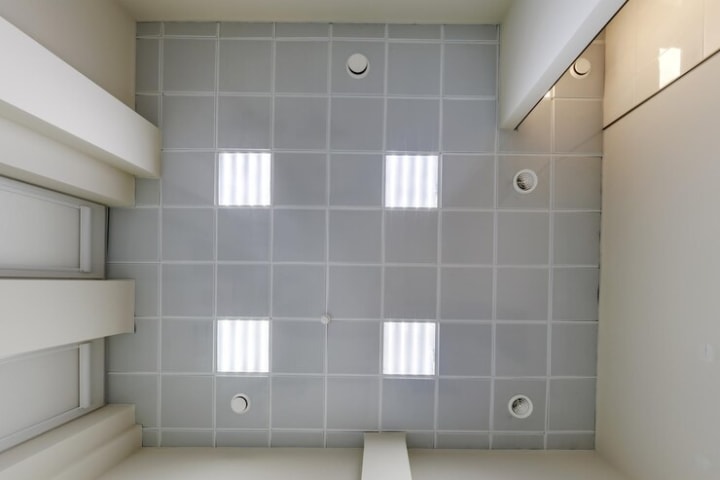
By mitigating the peaks and troughs of temperature variation, these tiles reduce the need for HVAC systems to work overtime. In commercial spaces, especially those using a suspended ceiling system, this results in lower operational costs and prolonged HVAC system lifespan.
Enhanced Thermal Comfort
Occupants in buildings with Phase Change Ceiling Tiles often report improved thermal comfort. Whether in an office, school, or hospital, maintaining a stable temperature improves wellbeing, productivity, and even sleep quality in residential settings.
Lower Energy Bills
Thanks to reduced heating and cooling demands, energy consumption naturally drops. Over time, this translates to significant savings on electricity bills—particularly in large-scale facilities.
Eco-Friendly Alternative
In a world moving toward net-zero targets, Phase Change Ceiling Tiles align well with green building certifications like BREEAM and LEED. Their eco-friendly materials and energy-reducing impact make them ideal for sustainable construction practices.
Perfect for Retrofitting
Older buildings can also enjoy the benefits. Tiles like the Thermal Cool Tile are designed to retrofit easily into existing suspended ceiling systems, enabling modern energy-saving solutions without structural changes.
Supports Peak Load Shifting
PCMs can absorb excess heat during peak hours and release it during off-peak times. This kind of thermal load shifting supports demand-side energy management and may even reduce electricity costs further when combined with time-of-use tariffs.
Low Maintenance, Long-Term Performance
Once installed, Phase Change Ceiling Tiles require no complex maintenance. Unlike mechanical systems, there are no moving parts, filters, or fluids to replace, ensuring a long lifespan and stable performance.
Adaptable Across Climates
These tiles work in both hot and cold climates. They absorb excess heat in warmer conditions and release heat in cooler times, making them a flexible solution globally.
Compatibility with Smart Energy Systems
When integrated with smart thermostats or energy monitoring systems, buildings can leverage real-time data to optimise the energy efficiency potential of Phase Change Ceiling Tiles further. This synergy enhances precision in temperature control and contributes to smart building initiatives.
Conclusion
As energy efficiency becomes a top priority across the construction industry, Phase Change Ceiling Tiles offer a practical, innovative, and sustainable solution. Their passive thermal regulation, compatibility with existing ceiling systems like the suspended ceiling system, and product innovations like the Thermal Cool Tile make them a smart choice for anyone looking to reduce energy use and environmental impact. Whether you're designing a new space or retrofitting an old one, these tiles deserve serious consideration.
FAQs
What are Phase Change Ceiling Tiles made of?
They typically contain encapsulated phase change materials (often paraffin or salt hydrates) embedded in a lightweight structure compatible with common ceiling systems.
Can these tiles be used in homes?
Absolutely. They're effective in both commercial and residential buildings, offering energy savings and improved thermal comfort.
Do Phase Change Ceiling Tiles replace insulation?
Not entirely. They work best as a complementary solution to traditional insulation, enhancing overall thermal performance.
Are they fire-resistant?
Yes, most products meet fire safety standards. Always check the specific product datasheet to confirm fire ratings.
Do they work in cold climates?
Yes, they can help retain heat during colder seasons, making them effective in temperate and colder regions.
How long do Phase Change Ceiling Tiles last?
Many products are rated for decades of performance, maintaining efficiency through thousands of thermal cycles.
About the Creator
Therma Cool
ThermaCool provides innovative thermal management solutions using phase change materials to enhance indoor comfort and energy efficiency.
Keep reading
More stories from Therma Cool and writers in Lifehack and other communities.
What Makes Phase Change Material for Cooling an Eco-Friendly Choice?
In the face of escalating climate change, efficient and sustainable thermal management has become a global necessity. Traditional cooling systems often rely on energy-intensive technologies and refrigerants that contribute to greenhouse gas emissions. Phase change material for cooling has emerged as a promising alternative — one that’s not only effective but also eco-friendly.
By Therma Cool9 months ago in Lifehack
Planning a Successful Move in Boise, Idaho: What to Look for in Professional Movers
Moving in Boise, Idaho, often feels straightforward at first glance. The city is known for its accessible neighborhoods, manageable traffic compared to larger metro areas, and steady growth. However, relocation still involves many decisions that can influence how smooth—or stressful—the experience becomes. One of the most important choices is selecting movers who are prepared, reliable, and familiar with local conditions.
By House Doctor4 days ago in Lifehack
Spirulina Benefits
In recent years, spirulina has earned a strong reputation as one of the most powerful natural superfoods available today. Used for centuries by ancient civilizations and now backed by modern scientific research, spirulina is praised for its impressive nutritional profile and wide range of health benefits. From boosting energy levels to supporting immunity and detoxification, this microscopic algae has become a favorite among health-conscious individuals worldwide.
By shakir hamid2 days ago in Lifehack




Comments (1)
Conclusion: Ideal for new buildings and retrofits, Phase Change Ceiling Tiles like the Thermal Cool Tile provide a sustainable, smart, and cost-effective solution for energy efficiency in both residential and commercial spaces.