
When Is Women’s Mental Health Month?
Understanding the Importance of Mental Wellness for Women

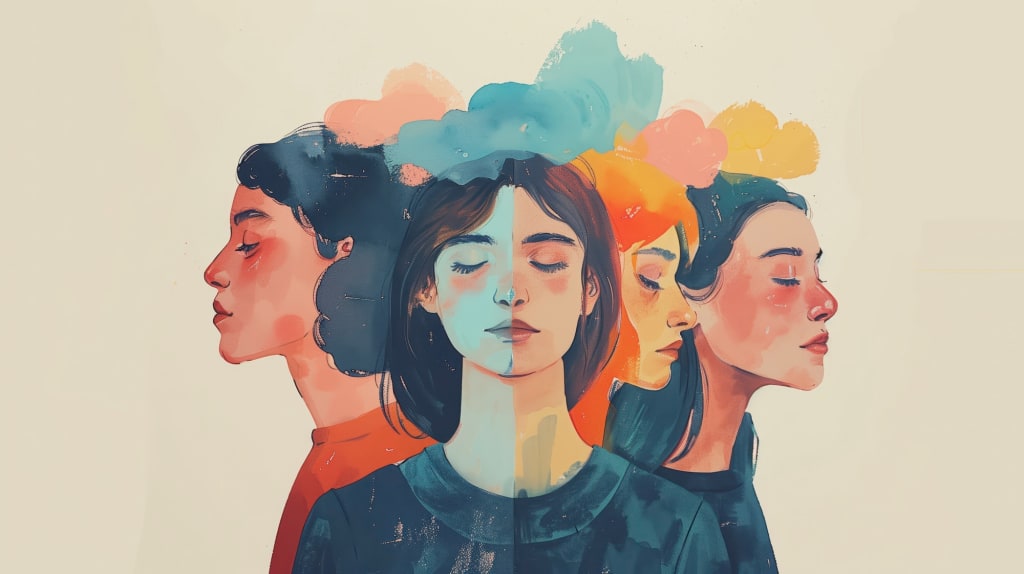
In the evolving conversation around mental health, one important question continues to rise: When is Women’s Mental Health Month? Although there is no officially designated Women’s Mental Health Month, May—Mental Health Awareness Month—serves as a powerful platform to highlight issues unique to women’s mental wellness.
While efforts to understand and support mental health are growing, gender-specific mental health needs are often overlooked. Women face distinct mental health challenges, shaped by biological, social, cultural, and economic factors. At the same time, there’s growing advocacy around men’s mental health, raising an equally important question: When is Men’s Mental Health Month?
In this post, we’ll explore:
- When and how we recognize Women’s Mental Health
- The significance of Mental Health Month for women
- An overview of mental health in women
- The top female mental health challenges
- The link between women and mental wellness
- And how we can promote broader women’s mental health awareness
When Is Women’s Mental Health Month?
There is no nationally designated "Women’s Mental Health Month", but May, as Mental Health Awareness Month, often serves as the time when women’s mental health is given focused attention.
Organizations like the Office on Women’s Health (OWH), Mental Health America, and NAMI (National Alliance on Mental Illness) use May to share resources, host events, and advocate for greater mental health support tailored to women.
Why May? Because it’s a time when the entire country focuses on awareness, stigma reduction, and resource promotion for mental health—which makes it the perfect opportunity to spotlight the unique challenges women face.
Why Women’s Mental Health Deserves Its Own Spotlight
Although both men and women suffer from mental illness, mental health in women often manifests differently and is influenced by unique experiences such as:
- Hormonal fluctuations (puberty, menstruation, pregnancy, postpartum, menopause)
- Cultural expectations and pressures
- Disproportionate caregiving responsibilities
- Gender-based violence and trauma
- Healthcare disparities
As a result, female mental health challenges can be complex, varied, and frequently underdiagnosed or misunderstood.
Key Mental Health Statistics for Women
Understanding the data helps contextualize the urgency of the issue:
- 1 in 5 women in the U.S. experience a mental health disorder annually
- Women are twice as likely to experience anxiety and depression as men
- Postpartum depression affects 10–20% of new mothers
- 70% of people with eating disorders are women
- Women are more likely to experience PTSD from trauma or abuse
These numbers paint a clear picture: Mental health in women must be addressed through a gender-sensitive lens.
When Is Men’s Mental Health Month?
To balance the conversation, it’s worth noting that When is Men’s Mental Health Month? is observed every June. While women are more likely to be diagnosed with certain mental health disorders, men are less likely to seek treatment and more likely to die by suicide. Both genders face stigma, but in different ways.
Recognizing Men’s Mental Health Month helps normalize open conversations and encourages men to seek support. Likewise, Mental Health Month for women in May is vital to combatting the internal and external barriers women face when addressing their mental health.
Top Female Mental Health Challenges
Let’s take a deeper look at the unique mental health challenges women face across different life stages:
1. Adolescence and Young Adulthood
- Anxiety and depression rates spike in young women during puberty.
- Social media adds pressure related to appearance and social comparison.
- Eating disorders often begin in adolescence, particularly in girls.
2. Reproductive Years (20s–40s)
- Postpartum depression and anxiety can significantly affect new mothers.
- Infertility stress and pregnancy loss carry deep emotional trauma.
- Balancing careers and family leads to chronic stress and burnout.
3. Midlife (40s–60s)
- Perimenopause and menopause can affect mood, memory, and sleep.
- Empty nest syndrome and caregiving for aging parents create mental strain.
- Many women in this stage silently suffer from undiagnosed depression.
4. Older Women (60+)
- Loss of partners, loneliness, and physical health decline can contribute to anxiety and depression.
- Ageism and gender bias may lead to misdiagnosis or lack of treatment.
Women and Mental Wellness: What It Really Means
Women and mental wellness is about more than treating illness—it's about fostering emotional, psychological, and social well-being in a way that’s responsive to women’s lived experiences.
It means:
- Encouraging emotional expression without shame
- Reducing the mental load many women carry
- Supporting access to reproductive and maternal health services
- Creating supportive work environments
- Ensuring culturally competent, trauma-informed care
- Mental wellness for women should be seen not as a luxury, but as a right and a necessity.
How to Promote Women’s Mental Health Awareness
Want to be part of the movement during Mental Health Month for women? Here are simple, impactful ways to raise awareness:
1. Share Women-Centered Resources
Promote helplines, therapy platforms, and support groups designed for women.
2. Host or Attend Events in May
Community panels, webinars, and workshops during Mental Health Awareness Month can focus on mental health in women.
3. Use Your Platform
Whether on social media or your workplace newsletter, highlight female mental health challenges and success stories.
4. Support Policy Change
Advocate for laws that increase funding for women’s mental health research and community services.
5. Educate Yourself and Others
Learn about the signs of postpartum depression, anxiety in girls, and menopause-related mental health issues. Then, pass that knowledge on.
Final Thoughts: Beyond the Calendar
While we may not have a stand-alone Women’s Mental Health Month, May serves as a vital annual opportunity to draw attention to these often-silent struggles. By aligning women’s mental health awareness efforts with Mental Health Awareness Month, we can drive real change—through education, compassion, policy, and action.
Mental health should not be gender-blind. Both men’s and women’s mental wellness deserve the spotlight. But the road to equity begins with awareness, and that begins with us.
About the Creator
PURE HEALTH BLOGS
Pure Health Blogs offers expert tips on general health, beauty, fitness, nutrition, mental wellness, and recipes. We help you live healthier every day with science-backed insights and practical advice.
Keep reading
More stories from PURE HEALTH BLOGS and writers in Lifehack and other communities.
Best Gentle Cleansers for Acne-Prone Skin in 2025
December 17, 2025 | By Pure Health Blogs Acne impacts over 85% of individuals between the ages of 12 and 24, making it one of the most widespread skin concerns globally. Despite common misconceptions, aggressive scrubbing and harsh acne cleansers often worsen breakouts by damaging the skin’s natural barrier. This disruption leads to increased oil production, irritation, and inflammation.
By PURE HEALTH BLOGS20 days ago in Families
The Burnout Generation: Why I’m Rejecting Hustle Culture for My Mental Health
I used to believe that grinding—24/7, no breaks, no excuses—was the only way to succeed. Coffee in one hand, deadlines in the other, my brain constantly buzzing, my chest tight, my mind refusing to rest.
By Anie Liban4 days ago in Lifehack



Comments
There are no comments for this story
Be the first to respond and start the conversation.