
What Your Favorite Color Says About You 🌈🎨🖌️
Do you have a favorite color? If so, did you know that the color you choose can actually say a lot about your personality?

In this article, we will explore the psychology of color and what your favorite color might say about you. We will also discuss some of the benefits of using color psychology in your own life.
What is Color Psychology?
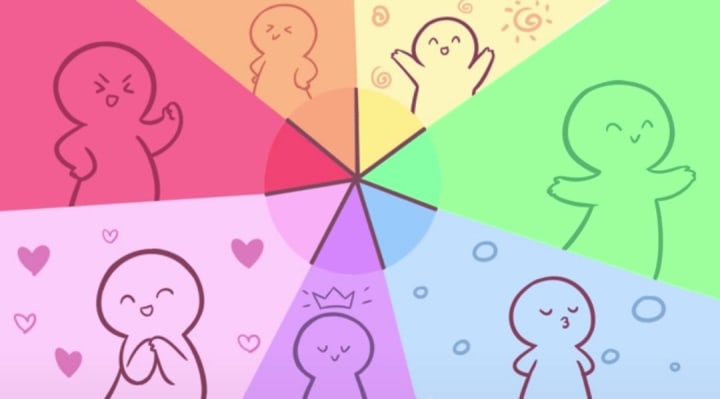
Color psychology is the study of how colors affect our emotions, thoughts, and behaviors. It is based on the idea that different colors have different wavelengths, which can have a physiological and psychological impact on us.
For example, the color red is often associated with passion, energy, and excitement. This is because red has a long wavelength, which can stimulate our heart rate and breathing.
On the other hand, the color blue is often associated with calmness, peace, and tranquility. This is because blue has a short wavelength, which can have a calming effect on our nervous system.
What Your Favorite Color Says About You
So, what does your favorite color say about you? Here are some of the possible personality traits associated with different colors:
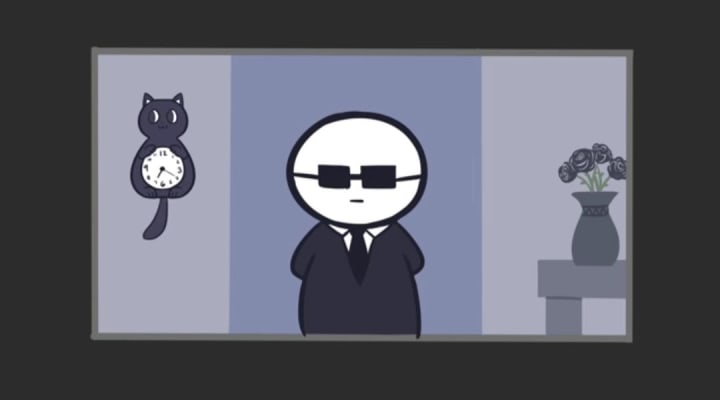
- Black: People who prefer black are often seen as being serious, independent, and mysterious. They may be private people who do not share their emotions easily.
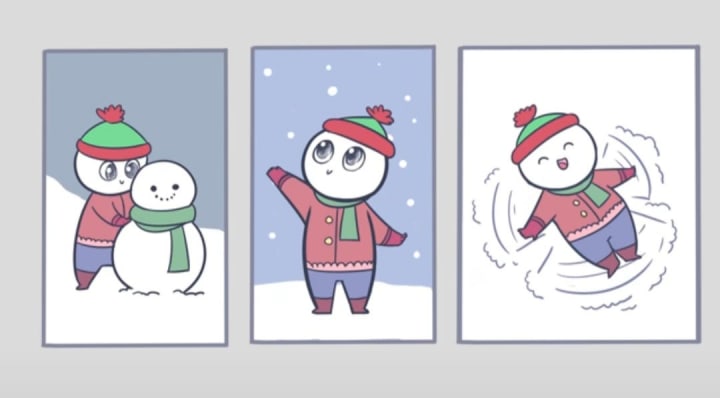
- White: People who prefer white are often seen as being organized, logical, and optimistic. They may be focused on the bright side of life and strive to find peace.
- Red: People who prefer red are often seen as being passionate, outgoing, and adventurous. They may be very confident and take charge in social situations.
- Blue: People who prefer blue are often seen as being calm, reliable, and loyal. They may be level-headed and good at managing stress.
- Green: People who prefer green are often seen as being open-minded, curious, and independent. They may be good at problem-solving and finding creative solutions.
- Yellow: People who prefer yellow are often seen as being happy, optimistic, and spontaneous. They may be very expressive and enjoy being the center of attention.
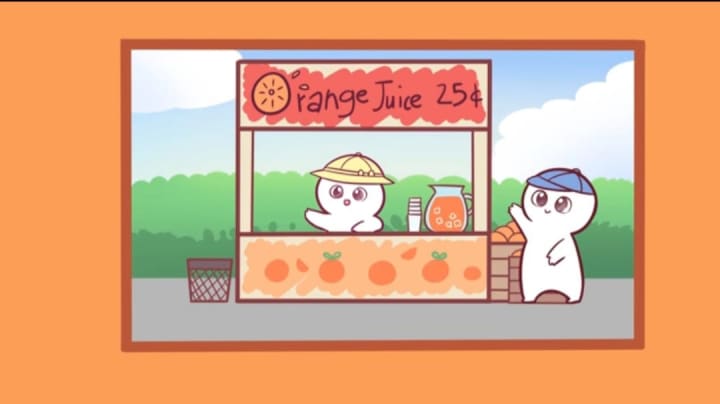
- Orange: People who prefer orange are often seen as being energetic, enthusiastic, and optimistic. They may be very social and enjoy being around people.
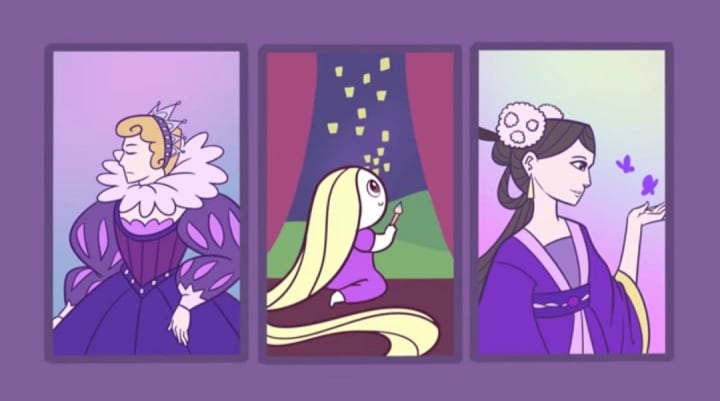
- Purple: People who prefer purple are often seen as being creative, spiritual, and helpful. They may be very intuitive and have a strong sense of purpose.
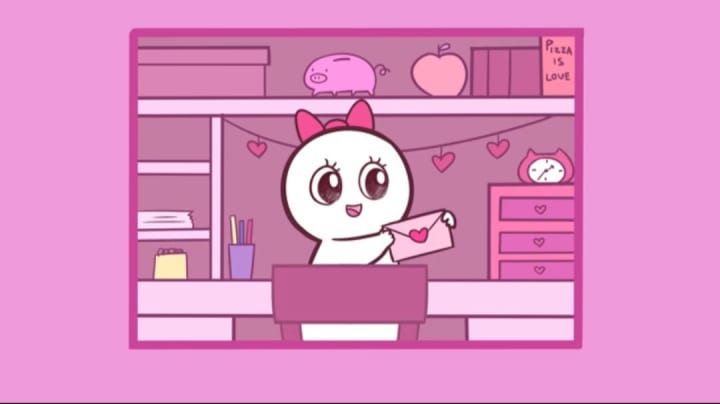
- Pink: People who prefer pink are often seen as being loving, compassionate, and feminine. They may be very family-oriented and put the needs of others before their own.
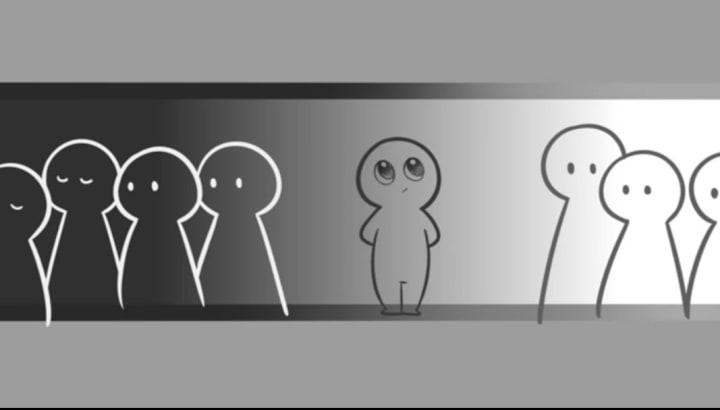
- Gray: People who prefer gray are often seen as being mature, sophisticated, and fair-minded. They may be very objective and good at seeing both sides of an issue.
- Brown: People who prefer brown are often seen as being down-to-earth, reliable, and sincere. They may be very practical and value traditional values.
How to Use Color Psychology in Your Life
- Now that you know a little bit about color psychology, you can start to use it to your advantage in your own life. Here are a few tips:
- Choose colors that make you feel good. When you are surrounded by colors that you enjoy, it can boost your mood and make you feel more positive.
- Use colors to create a specific atmosphere. If you want to create a relaxing atmosphere in your home, for example, you might choose to paint the walls blue or green.
- Use colors to communicate your message. The colors you choose can also send a message to others. For example, if you want to project an image of authority, you might wear a suit in a dark color like black or navy.
Conclusion
Color psychology is a fascinating field that can help us to understand ourselves and others better. By understanding the meaning of different colors, we can use them to create a more positive and productive environment in our lives.
About the Creator
Top 10 Questions to Ask Every Perth NDIS Service Before You Engage Them
Choosing the right National Disability Insurance Scheme (NDIS) provider shapes the quality of care, independence, and outcomes a participant experiences. In Perth, families and participants face a growing number of service options, which makes informed decision-making essential.
By Anshul Vijay2 days ago in Lifehack
9 Foods You Should Never Eat Past the Expiration Date, No Exceptions
But certain foods cross a line where the expiration date becomes about more than just quality—it’s about safety. Eating past that line can expose you to dangerous bacteria, toxins, or nutrient loss you can’t see or smell. Knowing which foods to never push beyond their expiration dates is key to keeping your kitchen safe. Here are the nine foods that are not worth the risk.
By General gyan2 days ago in Lifehack

Comments
There are no comments for this story
Be the first to respond and start the conversation.