
What is The Keto Diet - The Fact
The fact that will make you know that is not a typical diet.
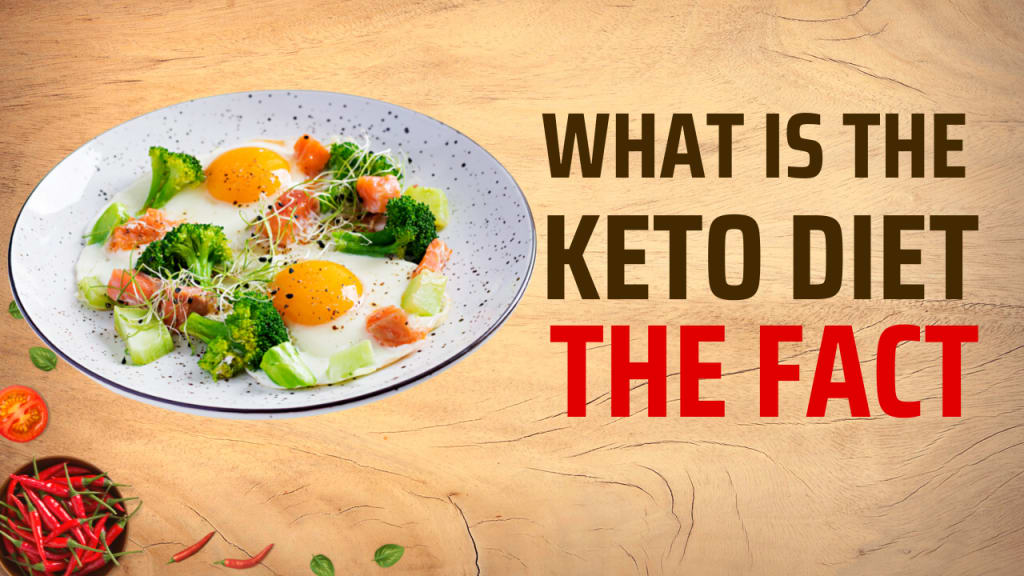
The ketogenic diet, also known as the keto diet, is a low-carb, high-fat diet that has gained popularity in recent years for its potential health benefits, including weight loss and improved insulin sensitivity. The basic idea behind the ketogenic diet is to restrict carbohydrates in order to induce a state of ketosis, where the body burns fat for energy instead of glucose from carbohydrates.
On the keto diet, people typically aim to consume:
- 70-75% of their calories from fat,
- 20-25% from protein;and
- 5-10% from carbohydrates.
This usually translates to a daily intake of around 20-50 grams of carbohydrates, which is significantly lower than the typical Western diet. To compensate for the lack of carbohydrates, people on the keto diet increase their consumption of healthy fats, such as olive oil, avocado, and fatty fish, and moderate amounts of protein, such as chicken, fish, and eggs.
People on the keto diet increase their consumption of healthy fats.
The body normally uses glucose from carbohydrates as its main source of energy. When carbohydrate intake is restricted, the liver starts producing ketones, which are byproducts of fat metabolism. These ketones can be used as an alternative source of energy for the brain and other organs. This state of ketosis is what gives the diet its name and is believed to be responsible for its health benefits.
One of the main benefits of the keto diet is its potential for promoting weight loss. By restricting carbohydrates, the diet reduces insulin levels, which is the hormone responsible for storing fat in the body. With lower insulin levels, the body is able to break down stored fat for energy, leading to weight loss. Additionally, the high-fat, low-carb approach of the keto diet may also help to reduce appetite and increase feelings of fullness, which can further aid weight loss.
keto diet may also help to reduce appetite and increase feelings of fullness
The ketogenic diet has also been shown to have potential benefits for a range of other health conditions, including type 2 diabetes, epilepsy, and some types of cancer. By reducing insulin resistance and improving glucose control, the diet may help to improve insulin sensitivity and blood sugar control, which is important for managing type 2 diabetes. Additionally, the keto diet has been used for decades to treat childhood epilepsy and is believed to work by reducing seizures through the production of ketones.
Another potential benefit of the keto diet is its ability to improve heart health by reducing markers of inflammation, such as high-sensitivity C-reactive protein (hs-CRP), and increasing levels of "good" HDL cholesterol. Additionally, the diet may also improve brain health by reducing oxidative stress and improving cognitive function.
However, it's important to note that while the ketogenic diet has potential benefits, it's not suitable for everyone and should be followed under the guidance of a doctor or registered dietitian. The diet can be challenging to stick to and may cause side effects such as fatigue, constipation, and bad breath, especially in the early stages. Additionally, the high-fat content of the diet can raise cholesterol levels, which is a concern for people with a history of heart disease.
In conclusion, the ketogenic diet is a low-carb, high-fat diet that has gained popularity for its potential health benefits, including weight loss, improved insulin sensitivity, and reduced risk of certain health conditions. While the diet has potential benefits, it's not suitable for everyone and should be followed under the guidance of a doctor or registered dietitian.
Whatever diet you choose, there are many benefits to our health but remember, do it with consistency.
If you want to practice this diet, Get Free Recipes Keto Here
About the Creator
Keep reading
More stories from writers in Lifehack and other communities.
How to choose a hiking sleeping bag
Wherever the night finds you, a comfortable and full sleep will always be a priority. And it doesn't matter if you are in a cosy hotel or tent. Therefore, if you are planning a hike in the mountains with an overnight stay, it is important to take care of the necessary equipment for a comfortable and safe sleep. It's about a sleeping bag.
By Olaf Podolski2 days ago in Lifehack
The Blue Ridge Stalker
Tom had left the Ford down the way, its spark plugs finally exhausted and no mechanics for a dozen miles back through the foothills to Strossburg. No matter, he had worn his boots—almost as if he planned for this to happen. The puzzle he sought to solve emanated from the woods clinging to the slopes above; the valley behind held no mysteries.
By Stephen A. Roddewig3 days ago in Fiction



Comments
There are no comments for this story
Be the first to respond and start the conversation.