
What is the best vitamin A fruit?
Sources of Vitamin A in Fruits and Animal Products

Vitamin A deficiency: causes, symptoms, and prevention
Vitamin A is an important nutrient for maintaining healthy vision, skin, and immune system function. While fruits contain a variety of vitamins and minerals, they are not usually considered to be a primary source of vitamin A.
That being said, some fruits do contain vitamin A in the form of beta-carotene, which the body can convert to vitamin A. Fruits that are good sources of beta-carotene include:
- Mangoes: One cup of sliced mango contains about 35% of the recommended daily intake of vitamin A. Mangoes are a tropical fruit that is not only delicious, but they also contain essential nutrients, including vitamin A. making it a good source of this nutrient.
- Cantaloupe: One cup of cubed cantaloupe contains about 30% of the recommended daily intake of vitamin A.
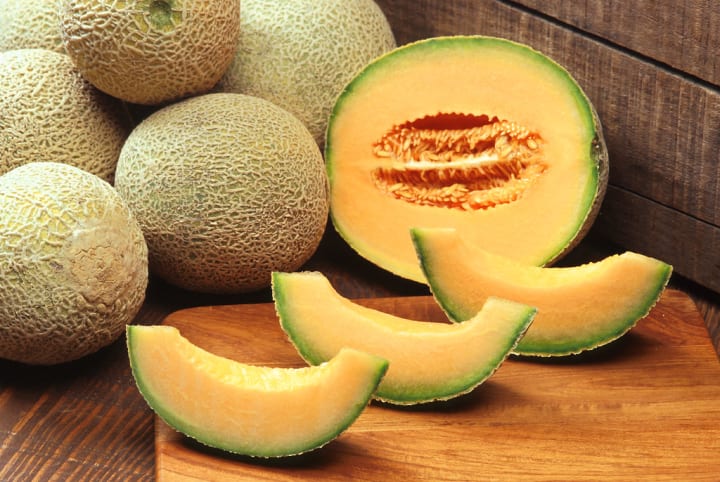
Cantaloupe is easy to incorporate into your diet and can be enjoyed on its own or added to salads, smoothies, or other dishes. When selecting a cantaloupe, look for one that is heavy for its size, has a slightly sweet fragrance, and has a smooth, firm rind. To prepare, cut the cantaloupe in half and scoop out the seeds, then slice or cube the flesh and enjoy.
- Papaya: One small papaya contains about 29% of the recommended daily intake of vitamin A. In addition to vitamin A, papaya is also a good source of vitamin C, folate, and potassium. Vitamin C is important for immune system function, while folate is important for cell growth and development. Potassium is important for regulating blood pressure and heart function. Papaya is also rich in antioxidants, which can help protect the body against cellular damage.
Apricots: Three fresh apricots contain about 10% of the recommended daily intake of vitamin A. Apricots are sweet and tangy fruit that contain beta-carotene, which the body can convert to vitamin A. Three fresh apricots contain approximately 10% of the recommended daily intake of vitamin A, making them a good source of this nutrient.
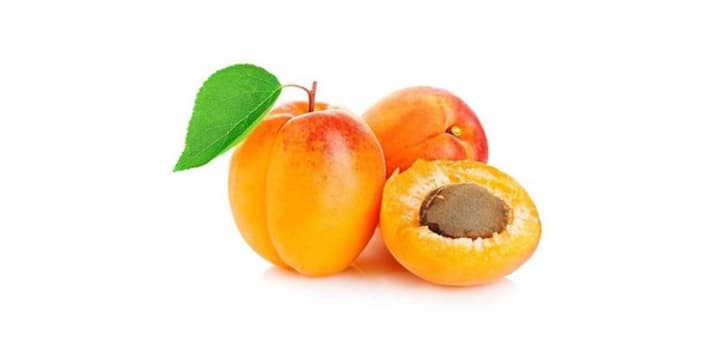
In addition to vitamin A, apricots are also a good source of vitamin C and fiber. Vitamin C is important for immune system function and the formation of collagen, a protein that is essential for skin, bone, and joint health. Fiber is important for maintaining digestive health and can help regulate blood sugar levels.
Apricots can be enjoyed on their own as a snack or added to a variety of recipes, including baked goods and salads. When selecting apricots, look for fruit that is firm, but not too hard or soft, and has a vibrant orange color. It's best to eat apricots when they are ripe, as unripe apricots can be tart and difficult to digest.
It's worth noting that the best sources of vitamin A are usually animal products such as liver, eggs, and dairy products. Suppose, you may want to consider incorporating these foods into your diet or speaking with a healthcare professional or registered dietitian.

Eggs as a Source of Vitamin A and Other Nutrients
Eggs are a nutrient-dense food that are rich in a variety of essential vitamins and minerals. Specifically, eggs are a good source of vitamin A, with one large egg providing about 6% of the recommended daily intake of this important nutrient. In addition to vitamin A, eggs are also a good source of protein, which is essential for building and repairing tissues in the body, and other nutrients such as vitamin D, vitamin B12, and choline.
Vitamin D is important for maintaining healthy bones, while vitamin B12 is important for healthy nerve function and the production of red blood cells. Choline is an essential nutrient that is important for brain health and development, and also plays a role in metabolism.
Dairy Products as a Source of Vitamin A and Other Nutrients
Dairy products such as milk, cheese, and yogurt are excellent sources of a variety of essential nutrients, including vitamin A. Vitamin A is important for maintaining healthy vision, skin, and immune system function. One cup of whole milk contains approximately 8% of the recommended daily intake of vitamin A, while one ounce of cheddar cheese contains about 6%.
In addition to vitamin A, dairy products are also rich in calcium, which is important for maintaining strong bones and teeth.
In conclusion, vitamin A is a crucial nutrient that plays a vital role in maintaining healthy vision, skin, and immune system function. It is essential for promoting healthy growth and development, and it is important to ensure adequate intake of this nutrient through a balanced diet that includes foods such as liver, eggs, dairy products, and a variety of colorful fruits and vegetables. While vitamin A deficiency is rare in developed countries
About the Creator
R S Charan
Hey there! I'm Charan, from India. I'm a YouTuber and I make videos about unknown facts, covering interesting topics around the world. I study at Anna University in Chennai, and I'm all about learning something new, then share to friends.
Keep reading
More stories from R S Charan and writers in Lifehack and other communities.
What is ChatGPT?
1. What is ChatGPT? In recent years, the field of Artificial Intelligence (AI) has experienced massive growth. With the advancements in deep learning techniques, AI has become more accessible and is being used to develop a wide range of applications. One of the most exciting developments in AI is the emergence of conversational language models, and ChatGPT is one of the most advanced models available today.
By R S Charan3 years ago in 01
Bullies Suck
We’ve all had to deal with bullies. The problem is when the bullies become a problem at work. You need to figure out ways to deal with the problem, and to do so in such a way that the problem is dealt with permanently. No one deserves to be humiliated where they work or play, and if someone makes you feel like you are worth less than nothing then they need to be dealt with, preferably by the book. Hopefully, you’ll find a way to deal with your bully that removes them from the situation.
By Jamais Jochim6 days ago in Lifehack
Digital Well-Being
We live in a time where the internet is not just a tool — it is an environment. From the moment we wake up to the moment we fall asleep, screens shape how we think, work, communicate, and relax. Technology connects us instantly, but constant connection can quietly drain our attention, energy, and peace of mind. Digital well-being is the practice of using technology in a way that supports — rather than harms — our mental, emotional, and physical health.
By shaoor afridi4 days ago in Lifehack



Comments
There are no comments for this story
Be the first to respond and start the conversation.