


In today’s fast-paced world, where productivity often overshadows personal well-being, the concept of self-care has become a lifeline for many. But what exactly is self-care? At its core, self-care is the intentional practice of nurturing your physical, emotional, mental, and spiritual health to maintain balance and resilience. Far from being a luxury or a trend, it’s a foundational act of self-respect that empowers individuals to show up as their best selves in every aspect of life. Let’s unpack what self-care truly means, why it matters, and how to integrate it into daily routines without guilt or overwhelm.
Defining Self-Care: Beyond Bubble Baths
Self-care is often misrepresented as indulgence—think spa days, expensive skincare routines, or lavish vacations. While these activities can certainly play a role, true self-care runs deeper. The World Health Organization defines it as “the ability of individuals, families, and communities to promote health, prevent disease, and cope with illness and disability with or without the support of a healthcare provider.” In simpler terms, it’s about taking proactive steps to protect your well-being, whether through rest, healthy habits, or setting boundaries.
Self-care is deeply personal. What revitalizes one person might drain another. For example, an introvert might recharge by spending a quiet evening reading, while an extrovert might thrive after a social gathering. The key is tuning into your unique needs rather than following generic advice.
The Pillars of Holistic Self-Care
Effective self-care addresses multiple dimensions of well-being. Ignoring one area can create imbalance, so consider these interconnected pillars:
Physical Self-Care
This involves caring for your body through nutrition, exercise, sleep, and hygiene. It’s not about strict diets or extreme workouts but rather sustainable habits. Walking daily, staying hydrated, or prioritizing seven hours of sleep all count. Physical self-care also includes listening to your body—resting when fatigued or seeking medical care when needed.
Emotional Self-Care
Managing emotions is critical for mental health. Practices like journaling, therapy, or talking with a trusted friend help process feelings. Emotional self-care also means setting boundaries to protect your energy, such as saying “no” to draining commitments or distancing yourself from toxic relationships.
Mental Self-Care
Stimulating your mind and managing stress fall under this category. Activities might include reading, puzzles, learning a new skill, or practicing mindfulness. Mental self-care also involves challenging negative self-talk and replacing it with compassionate inner dialogue.
Social Self-Care
Humans are wired for connection, but healthy relationships require effort. Schedule regular catch-ups with loved ones, join clubs aligned with your interests, or volunteer. Conversely, social self-care might mean taking a break from social media to avoid comparison fatigue.
Spiritual Self-Care
This doesn’t necessarily relate to religion. It’s about finding purpose and connecting with something greater than yourself. Meditation, spending time in nature, or engaging in creative pursuits like art or music can fulfill this need.
Why Self-Care Isn’t Selfish (And Other Myths)
Despite its importance, self-care is often misunderstood. Let’s debunk common myths:
Myth 1: “Self-care is selfish.”
Prioritizing your needs isn’t selfish—it’s sustainable. Just as oxygen masks on planes instruct adults to secure their own before assisting others, caring for yourself ensures you have the energy to support loved ones.
Myth 2: “It’s all about pampering.”
While treating yourself can be part of it, self-care isn’t synonymous with consumerism. Free practices, like deep breathing or a walk in the park, are equally valuable.
Myth 3: “I don’t have time.”
Self-care doesn’t require hours. Even five minutes of stretching or mindful breathing can reset your mindset. It’s about consistency, not grand gestures.
The Science-Backed Benefits
Research underscores the tangible benefits of self-care. Studies show it reduces stress, lowers the risk of chronic illnesses like heart disease, and improves focus. Emotionally, it fosters resilience, helping individuals navigate challenges without burnout. Relationships also benefit—when you’re emotionally balanced, you communicate more effectively and show up more fully for others.
Practical Ways to Cultivate Self-Care
Integrating self-care into a busy life requires intention. Try these strategies:
Start Small
Begin with micro-habits, like a two-minute morning stretch or jotting down three things you’re grateful for. Small wins build momentum.
Audit Your Energy
Track how different activities make you feel over a week. Notice what drains you (e.g., scrolling social media) and what energizes you (e.g., a lunchtime walk). Adjust accordingly.
Schedule It
Treat self-care like a non-negotiable appointment. Block time for a hobby, relaxation, or a digital detox.
Embrace Flexibility
Some days, your self-care might be a 20-minute workout; other days, it’s ordering takeout instead of cooking. Adapt based on your current capacity.
Overcoming Guilt and Barriers
Many struggle with guilt when prioritizing themselves, especially caregivers or high achievers. Reframe self-care as a responsibility rather than a reward. Remember: You can’t pour from an empty cup. If time constraints are an issue, multitask mindfully—listen to a podcast while commuting or practice gratitude during chores.
The Takeaway
Self-care isn’t a one-size-fits-all checklist or a fleeting trend. It’s a dynamic, ongoing practice of tuning into your needs and honoring them without apology. By nurturing your physical, emotional, and mental health, you build the resilience to thrive in a demanding world. Start today—not tomorrow—with one small act of kindness toward yourself. After all, you deserve the same care you so freely give to others.
About the Creator
The Content Crafter
Hi, I’m Vikas! I write Content and Stories that hit the Feels and Education.
- 📚 Education
- 🍔 Food
- 🏥 Health
- 🔢 Angel Number
- 📝 Poet
- 📖 Stories
- 🏺 History
- ⭐ Review
- 🌌 Space and Earth
- 🎮 Games
- 👻 Horror
📲Please 🔔 Subscribe 🔔 Me ❤️
Keep reading
More stories from The Content Crafter and writers in Lifehack and other communities.
Self Care Quotes
In a world that often glorifies busyness and productivity, self-care has emerged as a vital act of rebellion—a way to reclaim our time, energy, and peace. While the concept of self-care is simple, practicing it consistently can feel challenging. This is where the power of words comes in. Self-care quotes, when thoughtfully chosen, serve as gentle reminders to pause, reflect, and prioritize our well-being.
By The Content Crafterabout a year ago in Lifehack
A Planetary Alignment will coincide with Mercury Retrograde
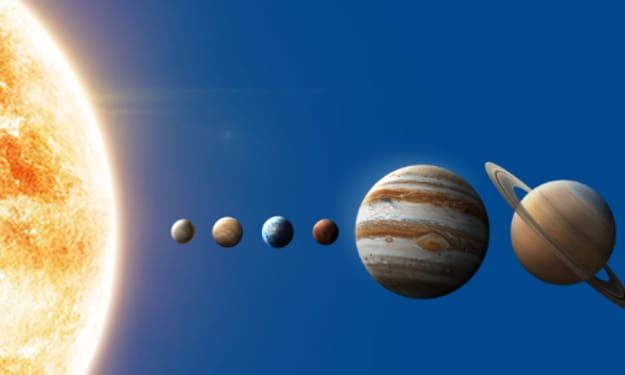
Double phenomena in the heavens Some people say in jest that the planets have aligned in their favor when life works the way they desire. Were you aware that there are seasons when things do line up in the heavens? There will be a planetary alignment AKA a planet parade, on February 28, 2026.
By Cheryl E Preston6 days ago in FYI



Comments
There are no comments for this story
Be the first to respond and start the conversation.