
What Does Healthy Eating Really Mean? Doctor Shares How to Eat Right, Snack Right, and Steer Clear of Fad Diets
A medical expert explains how to build lasting healthy eating habits, choose smart snacks, and avoid the trap of fad diets
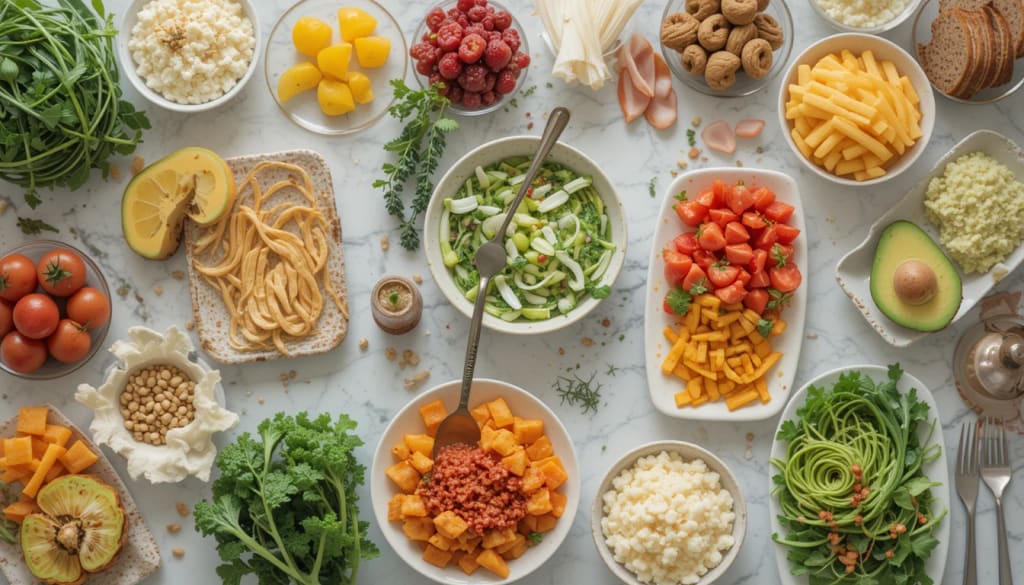
In today's world, it's hard to know what "healthy eating" even is. Every week or so, there's a new diet plan that markets quick fixes — keto and paleo and juice cleanses and fasting diets. But are those really the best choices for your body?
To obtain direct answers, people are increasingly seeking nutritionists and physicians with expertise in overall health instead of temporary fixes. We spoke to a doctor who provided us with direct, science-backed advice on what to eat, how to snack, and how to stay away from fad diets that might do more harm than good.
---
Why Healthy Eating Matters
Eating healthy isn’t just about losing weight or fitting into a certain size. It’s about giving your body the fuel it needs to work properly — from your brain and heart to your muscles and immune system.
A balanced diet can help you:
Have more energy throughout the day
Maintain a healthy weight
Prevent illnesses like diabetes, heart disease, and high blood pressure
Sleep better
Feel better mentally and emotionally
Healthy eating isn't a quick fix, it's a lifestyle.
---
The Doctor's 5 Simple Rules for Healthy Eating
Healthy eating doesn't need to be complicated, according to the doctor. These five easy rules can guide you towards healthy eating:
1. Eat Whole, Real Foods
Eat the best foods, which are basically the foods that are closest to their natural form — like fruits, vegetables, whole grains, lean meats, nuts, and seeds.
Steer clear of ultra-processed foods with added sugars, salt, and chemicals. Examples are sugary drinks, packaged snacks, frozen foods, and fast food.
2. Balance Your Plate
A balanced plate would include:
Half of vegetables and fruits
One quarter whole grains (such as brown rice, oats, or whole wheat bread)
One quarter lean protein (such as chicken, fish, beans, or tofu)
Add a small amount of healthy fats like olive oil, avocado, or nuts. It will maintain your blood sugar stable and your belly full for a longer period.
3. Have Enough Water
Water is so easily forgotten, but it also has an essential role in a healthy diet. Make an effort to drink at least 8 glasses of water a day. Avoid sugary drinks like soda and limit alcohol and caffeine.
4. Eat Mentally
Be mindful of how you eat, as well as what you eat. Eat slowly, chew thoroughly, and attend to your body's hunger and fullness cues. Avoid eating while distracted, such as while watching TV or at work.
5. Don't Skip Meals
Skipping meals, particularly breakfast, causes some people to overeat later in the day. Eat normal, balanced meals throughout the day to maintain your energy and mood levels.
---
I hope the above helps.
How to Snack Smart
Snacking isn't bad — if you do it right. In fact, healthy snacks can help you keep your energy up and prevent gorging at meals.
Here are physician-approved tips for intelligent snacking:
Smartest Snack Options:
A handful of almonds or walnuts
Fresh fruit with a dollop of peanut butter
Low-fat yogurt and berries
Hummus and raw carrots or cucumber slices
Whole grain crackers and cheese
A boiled egg with a piece of fruit
Snacking Tips:
Don’t eat out of a bag or box — portion your snack
Keep healthy snacks ready and visible
Snack only when you’re truly hungry, not bored or stressed
---
The Truth About Fad Diets
Fad diets may sound appealing because they promise fast results. But many of them are not safe or sustainable. The doctor warns that most of these diets:
Cut out entire food groups (e.g., carbs or fat)
Too low in calories
Based on expensive supplements or cleanses
May lead to nutrient deficiency
Tend to lead to yo-yo dieting — weight loss and re-gain
Instead of following a trendy new regimen, focus on building habits that stick. Progress, not perfection, is the goal.
---
What a Healthy Day of Eating Looks Like
Below is an example of a simple, balanced day of eating:
Breakfast
Oatmeal with diced banana, chia seeds, and a honey drizzle
Snack:
Greek yogurt with berries
Lunch:
Chicken salad with mixed greens, cherry tomatoes, avocado, and vinaigrette dressing
Snack:
Apple slices and almond butter
Dinner:
Baked salmon, quinoa, steamed broccoli
Drink water throughout the day.
---
Final Thoughts: Make Small Changes That Last
Healthy eating is not perfect or by the book. It's about eating more healthfully most of the time and being kind to yourself when you slip up.
Start small:
Add one extra serving of vegetables per day
Switch from sugary drinks to water
Cook at home more often
Use whole grain bread instead of white bread
Have healthy snacks on hand so that you won't be vulnerable to junk food
These small steps create big changes in the long run.
About the Creator
How to Travel the Ella Odyssey Train Route in Sri Lanka
Taking a train ride in Sri Lanka is undoubtedly a unique experience, and there can hardly be a finer choice in this regard than riding the Ella Odyssey, a special luxury train service targeted mainly at tourists. You may well have seen images of the scenic sights that you can experience on this distinctive journey, which may be counted amongst the most picturesque in the world. Some useful information regarding enjoying this amazing ride is provided below.
By ameliarosannaabout 19 hours ago in Lifehack
“I Forgot How to Be Bored (And It Was Ruining My Focus)”
Let’s be real—my phone was low-key ruining my life. I’m gonna be 100% honest: it got pretty embarrassing. I reached a point where I couldn’t even wait for the coffee to brew without my hand "magically" grabbing my phone. It wasn’t even a choice anymore; it was just this mindless, zombie-like reflex. I’d spend an hour scrolling through absolute junk and then realize I didn't remember a single thing I saw. My focus? Completely trashed.
By Demiana Louis Boshraa day ago in Lifehack
Wild Card Weekend Recap: What Happens Now?
I think I figured out why I love Wild Card Weekend so much. It's because it's the first playoff anything of the calendar year. The NFL season starts in the fall, and once upon a time, the champion was crowned either on or slightly before New Year's. The evolution of the NFL schedule has resulted in the playoffs starting just into the New Year, and currently, the final week of the season falls on the first weekend of the New Year, with Wild Card Weekend coming a week after that. So yes, chronologically, the NFL's Wild Card Weekend serves as the first playoff anything of the calendar year.
By Clyde E. Dawkins7 days ago in Unbalanced



Comments
There are no comments for this story
Be the first to respond and start the conversation.