
What Causes Tennis Elbow? Symptoms and Fixes
tennis elbow
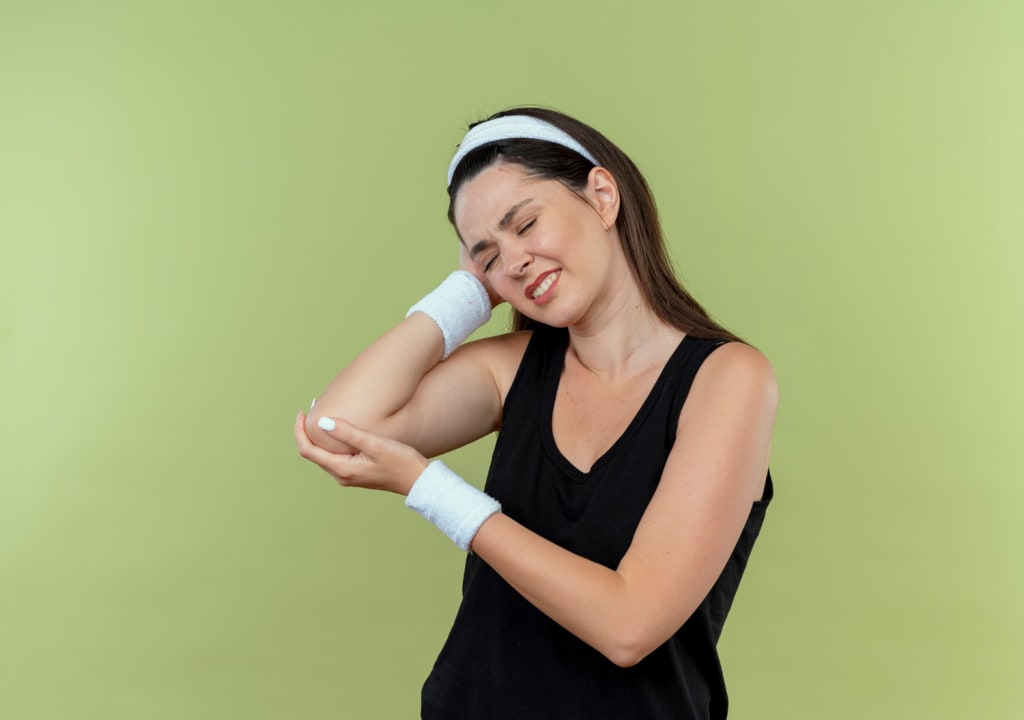
Tennis elbow, or lateral epicondylitis, is a condition most commonly experienced by people who habitually repeat activities involving the moving of their arm and wrist. It results from overuse of the forearm muscles, which eventually causes inflammation and microtears in the tendons connecting them to the elbow. This condition is more associated with tennis players; however, all those who perform repetitive motions get affected, from painters and carpenters to office workers. If not treated, it causes chronic pain and weakness in the arm. It is very essential to understand what causes it, its symptoms, and its treatment because of the importance of managing and preventing this painful condition. One of the effective methods for relief is Massage for Tennis Elbow, improving circulation, reducing tension, and having a healing effect. Exploring the symptoms and best treatment approaches will enable individuals to take proactive steps to reduce discomfort and restore normal function. The article will focus on the causes of tennis elbow, its symptoms, and the best solutions for managing and preventing tennis elbow.
Common Causes of Tennis Elbow
Repeated strain injury to the tendons attaching to the lateral epicondyle of the humerus is the cause of the condition referred to as tennis elbow. Tennis elbow is no longer confined to athletes, but it has become common among various working people or activities. The repeated gripping, twisting, or lifting motion causes a small tear within the tendon and inflammation with pain. Jobs that include plumbing, painting, and carpentry require all these movements; thus, those people are exposed to developing the condition. Maltechnique during sports, such as tennis, also causes significant strain on the forearm muscles. Lastly, one may develop it from prolonged hand tool use or typing.
Diagnostics and Medical Assessment
If a suspect feels they have tennis elbow, then there is an urgent need for a medical assessment. A doctor will make a diagnosis through both physical examination and history. They may ask what the patient did during the day and what the patient was doing at work. They may try simple tests such as the "chair lift test" or "resisted wrist extension test," which can detect pain and weakness. In other cases, X-rays or MRIs may be ordered to eliminate other conditions like arthritis or nerve compression. The proper diagnosis is essential for specific treatment and will not put a strain on the damaged tendons again.
Treatment
Several treatment options exist for the condition and alleviation of its symptoms. The patient can reduce tension on the tendons by avoiding repetitive activities or resting the affected arm. The application of ice packs to the elbow for 15-20 minutes several times a day will minimise inflammation. Pain could also be treated over the counter by the use of drugs like ibuprofen or acetaminophen. Support in the form of a brace or a forearm strap reduces the tension that results because of movement to the tendon. Physical therapy through exercises like stretching and strengthening enhances flexibility preventing the recurrence of the condition.
Strengthening and Stretching Exercises
Incorporating specific exercises into a daily routine can significantly improve strength and flexibility in the forearm muscles. Wrist extension and flexion exercises with light weights help to strengthen the muscles around the elbow. Stretching exercises like wrist flexors and extensor stretches improve the range of motion and avoid stiffness. Performing these exercises regularly will decrease the likelihood of re-injury. Gentle movements should be initiated and gradually increased in intensity. A physical therapist should be consulted to create a personal exercise plan for proper technique and maximum benefit.
Prevention Tips and Long-Term Care
Prevention of tennis elbow requires minor changes in daily activities and work habits. Forearm strain can be reduced through proper posture in either working or sports playing with ergonomic tools. A break can help prevent repetitive stress, which develops when tasks are done continuously and changed. Strong exercises and stretches should be incorporated into a regimen for fit, healthy tendons and muscles. Wearing protection like an elbow brace also helps in those activities involving twisting and gripping motion. One can prevent the condition from becoming chronic by being aware of the pain signals and attending to the discomfort early.
Conclusion
Tennis elbow is a painful condition that can affect daily life and physical activities. Understanding the causes, recognising symptoms early, and appropriate treatment can help individuals manage and overcome this condition. Strengthening and stretching exercises along with preventive measures are very important to avoid its recurrence. A few simple steps to prevent it could be taken. A few alterations in the day-to-day schedule will ensure keeping the forearm muscle healthy and well-built. Symptoms not going away would call for a visit to a healthcare expert to obtain proper advice for some personal treatment procedure.
Vist vocal.media for more informative blogs.
About the Creator
Kitchen Renovation Material Trends (2026 Report)
The 2026 kitchen is a study in deliberate, thoughtful evolution. Homeowners and designers are moving away from the stark minimalism and cold, sterile palettes that have dominated recent years. In their place, a new design language is emerging—one that speaks to our collective desire for warmth, tranquility, and a deeper connection to craftsmanship. This year, the kitchen is not just a place to cook; it is the hearth of the home, a multi-functional sanctuary designed for living, working, and gathering. The trends shaping this transformation are rich with texture, grounded in nature, and seamlessly integrated with invisible technology. This report delves into the definitive material trends of 2026, exploring how surfaces, colors, and finishes are being reimagined to create spaces that are both visually stunning and profoundly personal.
By Flooring Tips3 days ago in Lifehack



Comments
There are no comments for this story
Be the first to respond and start the conversation.