
What causes belly fat in females
causes belly fat in females
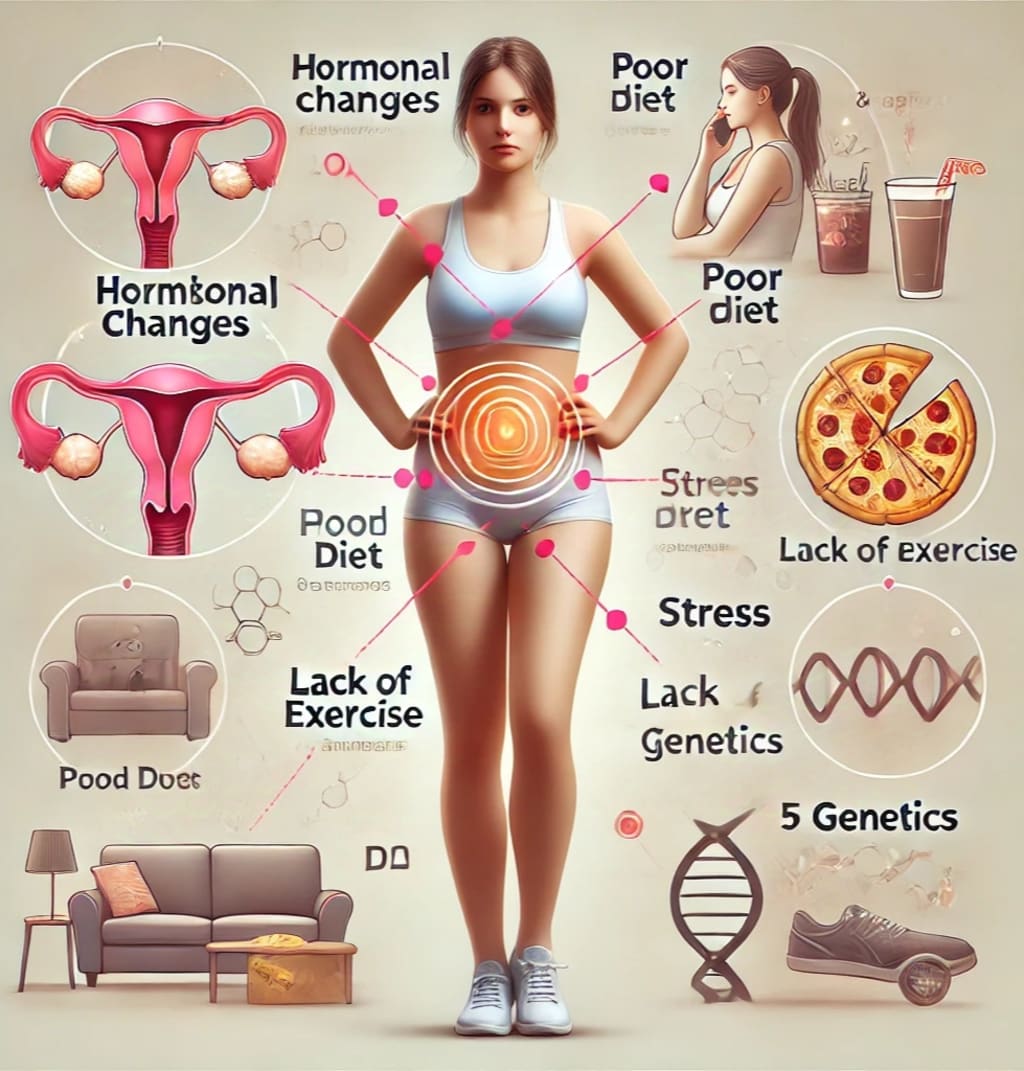
Belly fat, popularly known as visceral fat, is a common cause of concern among females. Though it is normal to have some amount of body fat, excessive belly fat is problematic, not only because it affects a person's appearance but also because it poses health problems. Knowing what causes belly fat in females can help individuals deal with and manage this condition effectively. The reasons range from hormonal imbalances and lifestyle factors to genetic predispositions and aging.
1. Hormonal Changes
Hormones play a great role in the distribution of fats, especially in women. Estrogen is the major female hormone, and it determines where fat will be stored in the body. In the reproductive years, estrogen favors the storage of fats in the hips, thighs, and buttocks. This is a way of conserving energy for pregnancy and breastfeeding. As women reach menopause, the estrogen levels decrease, causing a change in the distribution of fats. Fat is more likely to accumulate around the abdomen during and after menopause, contributing to belly fat.
Additionally, other hormonal imbalances, such as elevated cortisol levels (stress hormone), can lead to fat accumulation in the abdominal region. Chronic stress can trigger overeating and increase fat storage around the belly.
2. Dietary Choices
Poor dietary habits are the primary cause of belly fat in females. Intake of diet with high refined carbohydrates, sugar, and processed foods contributes to weight gain and abdominal fat. Sugary beverages, desserts, white bread, and fried foods cause rapid spikes in blood sugar and insulin, which promotes fat storage in the abdomen.
Caloric excess, especially with minimal exercise, leads to energy storage as fat in the body. Drinking alcohol can also cause an increase in belly fat. It is referred to as "beer belly" for a reason because alcoholic beverages contain high amounts of empty calories, which are usually stored as visceral fat.
3. Sedentary Lifestyle
Physical inactivity is another leading cause of belly fat. A sedentary lifestyle, where one sits or lies down for many hours without exercising regularly, reduces calorie expenditure and lowers metabolism. This imbalance between calorie intake and calorie usage leads to weight gain, especially in the midsection.
The likelihood of getting much belly fat with advancing age is also attributed to the lack of doing constant aerobic exercise or strength training by women. Loss of muscle, caused by being sedentary, results in lowering metabolic rate and reduced capabilities to burn fats.
4. Aging
Aging is a normal process that impacts the body composition of females. The older the woman gets, the less muscle mass there is and the higher the percentage of fat. With reduced muscle mass, the metabolism slows down, which means the body burns fewer calories when at rest. This results in an easier way to gain weight, especially in the abdominal area.
For women, the increase in belly fat is significantly higher during the onset of menopause due to changes in hormones. As estrogen levels decrease, body fat redistributes from hips and thighs to the abdomen. The body responds to this through the redistribution of fat.
5. Genetics
There is genetics when it comes to fat accumulation areas of the body. Some females can predispose to more central visceral fat due to heritability. Women tend to store fat around their waists if their mothers, siblings or other close relatives experienced excessive stomach fat. It explains distribution of fat cells, calories burning efficiency in addition to other factors.
6. Stress and Poor Sleep
Stress and sleep patterns have a significant role in weight gain and belly fat accumulation. Stress increases cortisol, which is a hormone stimulating the storage of fats within the abdominal region. A high level of cortisol results in increased appetite and urges for sugary and fatty foods.
The other disadvantage of sleep deprivation is that it affects hormone regulation. Sleep deprivation tends to reduce the levels of leptin, the fullness hormone, and elevate ghrelin, the hunger trigger. This hormonal imbalance will definitely lead to overeating, which can result in gain weight, especially around the belly.
7. Medical Conditions
Some diseases tend to make females gain abdominal fats. These conditions include PCOS, hypothyroidism, and insulin resistance, all of which tend to result in weight gain as well as the storage of fat in the abdominal area. All these conditions lead to hormone imbalance and alteration in metabolic rates, hence, hard to lose the fat in their body despite dieting and other means.
Other medications that can cause weight gain include antidepressants, steroids, and some hormone therapies, which often result in fat accumulation in the midsection.
8. Changes During Pregnancy and Postpartum
Pregnancy changes the shape of a woman's body dramatically, such as gaining weight and fat accumulation in places that will help to accommodate the fetus. In many women, it is hard to regain their original weight after delivering, especially around the tummy. Abdominal muscles may also be compromised during pregnancy, and so creating a "pooch" that can be hard to eliminate without proper exercise.
Health Risks of Belly Fat
Excess belly fat, especially visceral fat, is not only a cosmetic problem but also a serious health risk. Visceral fat surrounds vital organs and increases the risk o
Type 2 diabetes
Cardiovascular diseases
High blood pressure
Fatty liver disease
Certain cancers
How to Reduce Belly Fat
The causes of belly fat are multifactorial, but a healthier lifestyle can help reduce it. This includes:
Eating a balanced diet with whole foods, lean proteins, and healthy fats
Inculcating regular exercise, including cardio, strength training, and core workouts
Managing stress through mindfulness practices like yoga or meditation
Ensuring adequate sleep (7-8 hours per night)
Avoiding excess sugar, alcohol, and processed foods
Conclusion
The accumulation of belly fat in females is contributed by a combination of hormonal, dietary, genetic, and lifestyle factors. Although some causes, such as aging and genetics, are not in control, a healthy lifestyle may help manage and reduce belly fat effectively. Underlying factors such as stress, poor diet, and lack of physical activity are addressed not only to improve appearance but also to promote overall health and well-being.
About the Creator
Keep reading
More stories from Mohd Imran and writers in Lifehack and other communities.
Understanding Anxiety Attacks: Causes, Symptoms, and Effective Coping Strategies
Understanding Anxiety Attacks: Causes, Symptoms, and Effective Coping Strategies Anxiety is a normal reaction to stress or danger, but if it spirals out of control into an overpowering attack of dread or discomfort, it can lead to an anxiety attack. Although they are often mistaken for panic attacks, anxiety attacks involve a slow intensification of anxiety symptoms that interfere with daily functioning. Although not officially classified as a separate diagnosis in the Diagnostic and Statistical Manual of Mental Disorders (DSM-5), the term "anxiety attack" is popularly used to refer to intense bouts of anxiety.
By Mohd Imran10 months ago in Lifehack
5 Simple Lifehacks to Keep Your Teeth Healthy Every Day
Healthy teeth aren’t just about occasional dental visits—they’re shaped by the little choices you make every day. Simple habits, when done consistently, can prevent cavities, gum issues, sensitivity, and other oral concerns while keeping your smile bright and comfortable. These lifehacks are easy to integrate into your routine and don’t require drastic lifestyle changes.
By Smile Sydney2 days ago in Lifehack
Review of 'Man on the Run'
My wife and I saw Man on the Run, a nearly 2-hour documentary on Amazon Prime, about Wings, Paul McCartney's group that flew around the world from shortly after The Beatles broke up in early 1970 to shortly after John Lennon was murdered at the end of 1980, making a Beatles reunion forever impossible.
By Paul Levinson5 days ago in Beat


Comments
There are no comments for this story
Be the first to respond and start the conversation.