

Ways to Improve Your Health
WHO wants to be sick? At the very least, an illness is an inconvenience and an expense. You not only feel bad, but when you are sick, you may not be able to go to work or school, earn any money, or look after your family. You may even need someone to look after you, and you may have to pay for expensive medicines and treatment.
Well has it been said that “Prevention is better than cure.” Some illnesses cannot be avoided. Still, there is much you can do to slow down or even prevent the onset of illness. Consider five things that you can do today to get on the road to better health.
3 HEALTHLY TIPS
1 PRACTICE GOOD HYGIENE

According to the Mayo Clinic, “one of the best ways to avoid getting sick and spreading illness” is to wash your hands. One of the easiest ways to catch a cold or influenza is to rub your nose or your eyes when your hands have been contaminated by germs. Your best defense against such contamination is to wash your hands regularly. Good hygiene can also prevent the spread of more serious conditions, such as pneumonia and diarrheal diseases, which every year cause the death of over two million children under the age of five. Even the spread of deadly Ebola can be minimized by the simple habit of washing hands.
There are certain times when hand washing is particularly important to protect your own health and that of others.
You should wash your hands:
- After using the toilet.
- After changing diapers or helping a child to use the toilet.
- Before and after treating a wound or a cut.
- Before and after being with someone who is sick.
- Before preparing, serving, or eating food.
- After sneezing, coughing, or blowing your nose.
- After touching an animal or animal waste.
- After handling garbage.
And do not take it for granted that you are cleaning your hands properly. Studies have shown that a large percentage of those who use public toilets do not wash their hands afterward or do not wash them correctly.
How should you wash your hands?
- Wet your hands in clean running water and apply soap.
- Rub your hands together to make a lather, not forgetting to clean your nails, your thumbs, the backs of your hands, and between your fingers.
- Keep rubbing for at least 20 seconds.
- Rinse in clean running water.
- Dry with a clean cloth or a paper towel.
- Such measures are simple but can avert illness and save lives.
2 USE A SAFE WATER SUPPLY

Cholera is most often contracted when a person drinks water or eats food that is contaminated with fecal matter from infected people. What steps can you take to protect yourself, even in the immediate aftermath of a disaster, from this and other types of water contamination?
- Ensure that all your drinking water—including the water used for brushing teeth, making ice, washing food and dishes, or cooking—comes from a safe source, such as an adequately treated public supply or sealed bottles from a reputable firm.
- If there is any possibility that your piped supply has been contaminated, boil your water before use or treat it with an appropriate chemical product.
- When using chemicals, such as chlorine or water-purifying tablets, follow the maker’s directions carefully.
- Use quality water filters, if available and affordable.
- If no water-treatment products are available, add household bleach, eight drops per gallon of water (two drops per liter), mix well, and then let the water stand for 30 minutes before using it.
- Always store treated water in clean, covered containers to protect it from possible recontamination.
- Ensure that any vessel used to take water from your stored supply, such as a ladle, is clean.
- Handle water containers with clean hands, and do not dip your hands or fingers into water used for drinking
3 WATCH WHAT YOU EAT
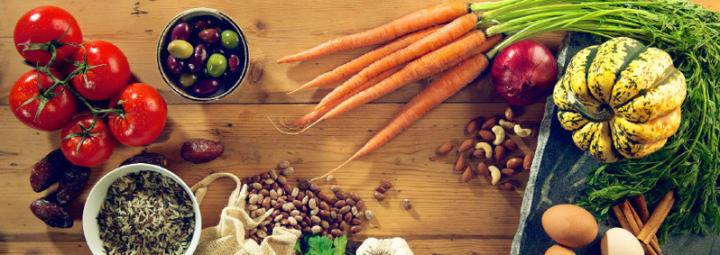
Good health is impossible without good nutrition, and for good nutrition you need a healthy, balanced diet. You may need to consider your intake of salt, fats, and sugar, and you should watch your portion sizes. Include fruits and vegetables in your diet, and vary what you eat. Reading the packaging will help you to select whole-grain foods when buying bread, cereals, pasta, or rice. These are richer in nutrients and fiber than the alternatives made from refined grain. As for proteins, eat small and lean portions of meat and poultry and try to eat fish a couple of times a week, if possible. In some lands it is also possible to find protein-rich foods from vegetable sources.
If you eat too many sugars and solid fats, you risk becoming overweight. To minimize this risk, drink water instead of sweet beverages. Eat more fruit instead of sugary desserts. Limit your intake of solid fats from such items as sausages, meat, butter, cakes, cheese, and cookies. And instead of using solid fats for cooking, you may want to use healthier oils.
What can you do to minimize the risk?
- Vegetables grow in soil that may have been treated with manure, so wash these items carefully before preparing them.
- Wash your hands, cutting board, utensils, dishes, and countertops with hot, soapy water before preparing each item.
- To avoid cross-contamination, never put food on a surface or plate that was previously in contact with raw eggs, poultry, meat, or fish, without first washing that surface.
- Cook until the food reaches the right temperature, and promptly refrigerate any perishable items that are not going to be eaten immediately.
- Discard perishable items left at room temperature for more than two hours or one hour if air temperature exceeds 90 degrees Fahrenheit (32°C)
About the Creator
Jovial Ash
Our life have a lot of questions , where we find oiut .........!!!!!!
Keep reading
More stories from Jovial Ash and writers in Lifehack and other communities.
A Complete Guide to Digital Twins in Healthcare and Their Real-World Applications
Digital twins in healthcare are revolutionizing how medical systems, providers, and researchers understand the human body, manage diseases, and deliver personalized care. A digital twin is a virtual replica of a physical entity, such as a patient, organ, medical device, or healthcare system—that continuously updates using real-time data. In healthcare, this technology bridges the gap between physical health conditions and digital simulations, enabling smarter decisions, predictive insights, and improved outcomes. As healthcare becomes increasingly data-driven, digital twins in healthcare are emerging as a cornerstone of next-generation medical innovation.
By Steve Waugh6 days ago in Lifehack



Comments (1)
EXCELLENT POINTS