
Unlocking the Power of Antioxidant Support: Boost Your Health and Reduce Your Risk of Chronic Diseases
Elevate Your Well-being and Lower the Odds of Chronic Illness

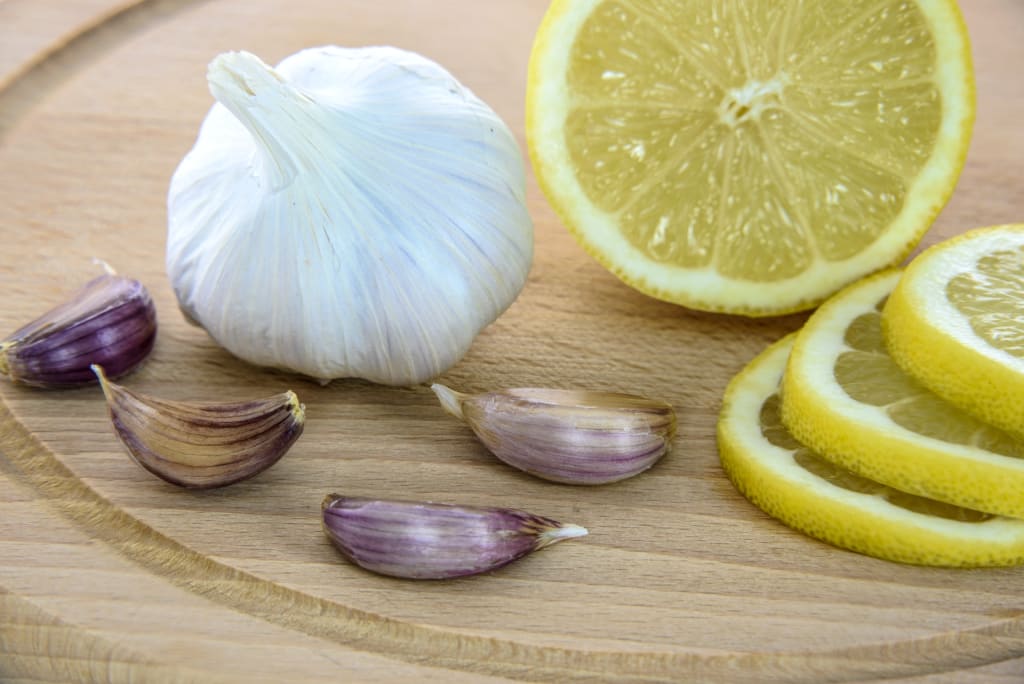
Antioxidants are compounds that protect your body's cells from damage caused by free radicals. Free radicals are unstable molecules that can cause harm to your cells, leading to a range of health problems. Antioxidants neutralize these harmful molecules, helping to protect your body from oxidative stress and inflammation. In this article, we'll explore why antioxidant support is important for your health, what antioxidants are, and some tips for incorporating more antioxidants into your diet.
Why is Antioxidant Support Important for Your Health?
Oxidative stress and inflammation are both linked to a range of health problems, including cancer, heart disease, and neurodegenerative diseases such as Alzheimer's. Antioxidants help to neutralize free radicals, which can reduce the risk of these health problems. Additionally, research has shown that antioxidants may also have anti-aging benefits, helping to keep your skin looking youthful and vibrant.
Antioxidants are compounds that help to protect your body's cells from damage caused by free radicals. They work by neutralizing these unstable molecules, preventing them from causing harm to your cells. Some of the most well-known antioxidants include vitamin C, vitamin E, and beta-carotene. Other antioxidants include selenium, flavonoids, and polyphenols.
Tips for Incorporating Antioxidants into Your Diet
1. Eat a Rainbow of Fruits and Vegetables
Fruits and vegetables are rich in antioxidants, as well as other important nutrients that are essential for good health. Aim to eat a variety of colorful fruits and vegetables every day. Some antioxidant-rich fruits and vegetables include blueberries, strawberries, spinach, kale, and broccoli.
2. Choose Whole Grains
Whole grains, such as brown rice and whole wheat bread, are rich in antioxidants, fiber, and other important nutrients. They're also a great source of energy and can help to keep you feeling full and satisfied. Try swapping out refined grains, such as white rice and white bread, for whole grains to get more antioxidants in your diet.
3. Include Nuts and Seeds
Nuts and seeds are another great source of antioxidants. They're also high in healthy fats and protein, making them a great snack option. Some antioxidant-rich nuts and seeds include almonds, walnuts, sunflower seeds, and pumpkin seeds.
4. Drink Green Tea
Green tea is rich in antioxidants, particularly a type called catechins. These antioxidants have been shown to have a range of health benefits, including reducing the risk of heart disease and cancer. Try swapping out your morning coffee for a cup of green tea to get more antioxidants in your diet.
5. Use Spices and Herbs
Many spices and herbs are also rich in antioxidants. For example, turmeric contains a compound called curcumin, which has been shown to have anti-inflammatory and antioxidant properties. Other antioxidant-rich spices and herbs include cinnamon, ginger, and garlic.
1. A 40-year-old woman who eats a diet rich in fruits, vegetables, whole grains, nuts, and seeds has a high intake of antioxidants. She has a lower risk of developing chronic health problems associated with oxidative stress and inflammation, such as heart disease and cancer.
2. A 50-year-old man who smokes and eats a diet high in processed foods and low in fruits and vegetables has a low intake of antioxidants. He is at higher risk of developing chronic health problems associated with oxidative stress and inflammation, such as heart disease and cancer.
Resources for Antioxidant Support
1. National Institutes of Health (NIH) - Antioxidants: In Depth
The NIH provides a comprehensive resource on antioxidants, including information on how they work, their health benefits, and potential risks associated with taking antioxidant supplements. The resource also covers specific antioxidants such as vitamin C, vitamin E, and beta-carotene, and their sources in food.
The NIH recommends obtaining antioxidants through a healthy and varied diet, rather than relying solely on supplements. They also caution against the use of high-dose antioxidant supplements, as they may interfere with certain medications or increase the risk of adverse health effects.
By consulting the NIH's "Antioxidants: In Depth" resource, you can gain a better understanding of the role antioxidants play in your health and how to incorporate them into your diet and lifestyle safely and effectively Apologies, it seems there was an error in the response I provided earlier. Here's the remaining part of the article on "Antioxidant Support":
2. Antioxidants: What You Need to Know - Harvard Health Publishing
Harvard Health Publishing provides an in-depth look at antioxidants, including the different types of antioxidants, their benefits, and how to incorporate more of them into your diet.
3. The Antioxidant Miracle - Dr. Lester Packer and Carol Colman
In this book, Dr. Lester Packer and Carol Colman explore the role of antioxidants in preventing and treating disease. They offer practical advice for incorporating more antioxidants into your diet and lifestyle.
4. The Antioxidant Prescription - Dr. Bryce Wylde
Dr. Bryce Wylde provides a comprehensive guide to antioxidants, including their benefits, how to choose the best antioxidants for your health needs, and how to incorporate them into your diet and lifestyle.
Antioxidant support is crucial for maintaining good health and reducing the risk of chronic diseases associated with oxidative stress and inflammation. Incorporating more antioxidant-rich foods into your diet, such as fruits, vegetables, whole grains, nuts, and seeds, can help you get the antioxidants your body needs to function at its best. Additionally, supplements such as vitamin C, vitamin E, and selenium can also provide antioxidant support. Remember to consult with a healthcare professional before starting any new supplement regimen. With these tips and resources, you can take proactive steps towards better health and wellbeing through antioxidant support.
summary
The article on "Antioxidant Support" provides an in-depth look at the importance of antioxidants in maintaining good health and reducing the risk of chronic diseases associated with oxidative stress and inflammation. The article explores the different types of antioxidants, their benefits, and how to incorporate more of them into your diet. It also includes information on specific antioxidants such as vitamin C, vitamin E, and selenium, as well as cautionary advice against relying solely on high-dose antioxidant supplements. The article provides additional resources such as books and the National Institutes of Health's "Antioxidants: In Depth" resource to help readers gain a better understanding of how to incorporate antioxidant support into their lifestyle safely and effectively.
Read more >>> https://panda95hub.blogspot.com/
#healthboost #chronicdiseaseprevention #wellbeingjourney #diseaseprevention #healthylifestyle #loweringtheodds #wellnessgoals #holistichealth #healthpromotion #preventivecare #lifelongwellness #healthyhabits #diseasepreventionstrategies #mindbodyhealth #preventativehealth
About the Creator
Art of Be
Welcome to my Vocan media account! As a writer and freelancer, I share health and beauty tips, insightful articles, and valuable knowledge to make life easier. Check out my blog at panda95hub.blogspot.com for more content.
How to repair chipped quartz benchtops
Quartz benchtops have become a staple in contemporary kitchen and bathroom renovations throughout Sydney. Homeowners favour them for their clean appearance, durability and relatively simple maintenance. From family homes in Parramatta and Ryde to coastal properties in Manly and modern apartments across the Eastern Suburbs, engineered quartz surfaces are widely used because they balance practicality with a refined aesthetic.
By John Zhangabout 15 hours ago in Lifehack




Comments
There are no comments for this story
Be the first to respond and start the conversation.