
Understanding the Different Types of Wavy Hair: A Complete Guide
Types of Wavy Hair

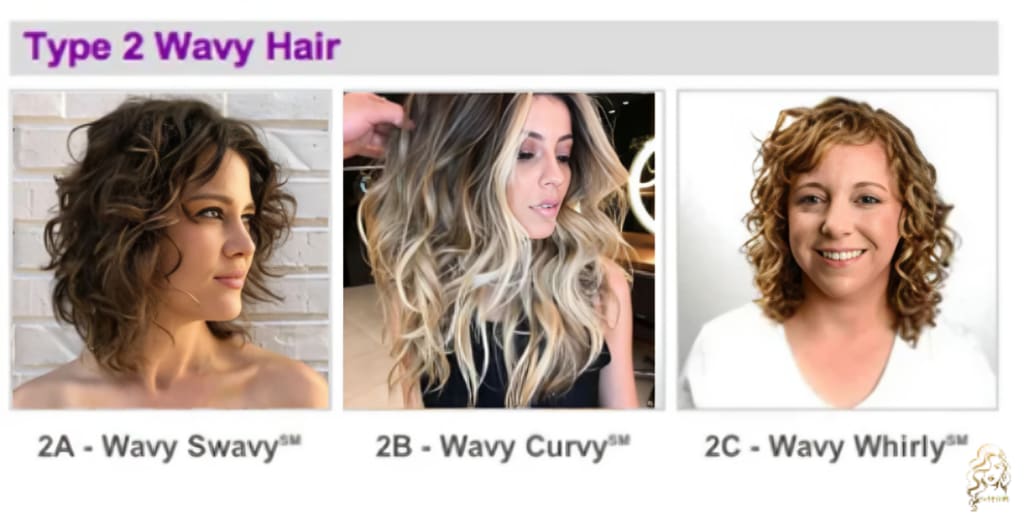
Wavy hair strikes the perfect balance between straight and curly hair, offering unique texture and volume. Understanding your specific type of wavy hair can help you select the right products and techniques for styling and care. There are three primary types of wavy hair, and each has its own characteristics and needs. Let's dive into these different types of wavy hair and how to take care of them.
What Are the Main Types of Wavy Hair?
Wavy hair is classified into three main categories: Type 2A, Type 2B, and Type 2C. Each type varies in the tightness of the waves, thickness, and how prone they are to frizz. Knowing your hair type will ensure you choose the right routine for maintenance and styling.
Type 2A: Loose and Lightweight Waves
Type 2A wavy hair is the loosest form of waves. These waves are soft, with a slight bend, and the hair usually remains straight at the roots with more texture at the ends. It’s ideal for those with fine or medium-textured hair who enjoy a relaxed and natural look.
Characteristics:
Soft, loose S-shaped waves
Fine to medium hair texture
Slight wave without much volume at the roots
Easy to straighten or curl
Care Tips:
Opt for lightweight volumizing shampoos and conditioners.
Avoid heavy styling products that may weigh hair down.
Use sea salt sprays or mousses to add texture and definition.
Regular trims will prevent split ends and maintain the shape of the waves.
Type 2B: Defined Waves with More Body
Type 2B hair is characterized by more pronounced waves that form a distinct S-shape. The texture is thicker compared to 2A hair, and these waves tend to have more body. However, Type 2B hair is more susceptible to frizz, especially in humid weather, so it requires a bit more attention.
Characteristics:
Medium-textured waves with a defined S-shape
More volume compared to 2A
Prone to frizz, especially in humidity
Holds curl better than Type 2A hair
Care Tips:
To manage frizz, use a leave-in conditioner with anti-frizz properties.
Styling gels or creams can enhance wave definition.
A diffuser can help boost volume while minimizing frizz.
Avoid washing hair too often to preserve natural oils and reduce frizz.
Type 2C: Thick, Voluminous Waves
Type 2C hair is the thickest and most defined of the wavy hair types. The waves are often more substantial and may even verge on loose curls. Due to its thicker texture, Type 2C hair can be prone to frizz and dryness, but when properly cared for, it can have a gorgeous, voluminous appearance.
Characteristics:
Thick, coarse texture
Well-defined waves with volume
More resistant to straightening
Prone to frizz and dryness
Care Tips:
Use sulfate-free shampoos to maintain moisture and avoid stripping natural oils.
Apply curl creams or lightweight oils to keep frizz in check.
For moisture retention, try deep conditioning treatments weekly.
Diffusing or plopping can help maintain the wave pattern while reducing heat damage.
Creating the Best Haircare Routine for Wavy Hair
To keep your waves healthy, defined, and frizz-free, it’s essential to follow a regular haircare routine tailored to your specific hair type. Whether you have Type 2A, 2B, or 2C hair, here’s a general guide for creating a routine that works:
Step 1: Wash with Care
Use a sulfate-free shampoo to preserve natural moisture.
Wash your hair 2-3 times a week to prevent dryness and maintain the natural oils your hair needs.
Step 2: Condition and Moisturize
Opt for a lightweight conditioner that hydrates without weighing hair down.
Apply a deep conditioning treatment weekly to replenish moisture and improve texture.
Step 3: Style with the Right Products
Choose products specifically formulated for wavy hair, like curl-enhancing creams or mousses.
For extra definition, scrunch your hair with a styling gel or cream after washing.
Step 4: Protect at Night
Sleep on a satin or silk pillowcase to minimize frizz and breakage.
Use the pineapple method or a loose braid to protect your waves overnight.
Wavy Hair vs. Curly Hair: Key Differences
While wavy and curly hair can seem similar, there are key differences between the two:
Feature Wavy Hair Curly Hair
Shape Loose S-waves Tight curls or ringlets
Frizz Level Moderate High
Definition Softer, more relaxed More structured and coiled
Styling Easy to straighten or curl Requires more moisture and definition
Final Thoughts
Whether you have Type 2A, 2B, or 2C wavy hair, it’s important to understand the specific needs of your hair type to maintain its health, volume, and texture. With the right products and techniques, you can enhance your natural waves, making them more defined, healthy, and beautiful.
For tailored tips and product recommendations, visit WavyHair.uk, where we help you find the perfect care solutions for your wavy hair!
About the Creator
Keep reading
More stories from Care2health Info and writers in Lifehack and other communities.
Does an Epsom Salt Bath Strip Your Hair?
Epsom salt baths are widely praised for their ability to soothe sore muscles, detoxify the skin, and promote relaxation. However, many people wonder: does an Epsom salt bath strip your hair? Understanding how Epsom salt interacts with hair is crucial, especially for those with wavy or curly hair who follow specific hair care routines.
By Care2health Info12 months ago in Lifehack
Time Management Vs Money Management
In today’s fast-paced world, two skills are often highlighted as essential for success: time management and money management. Both are considered pillars of a productive and stable life, yet people frequently debate which one matters more. Is it better to manage your time perfectly or to handle your money wisely? The truth is that both are deeply connected, but they play different roles in shaping personal growth, career success, and long-term happiness.
By shaoor afridi7 days ago in Lifehack



Comments
There are no comments for this story
Be the first to respond and start the conversation.