
Does an Epsom Salt Bath Strip Your Hair?
Epsom Salt Bath Strip Your Hair


Epsom salt baths are widely praised for their ability to soothe sore muscles, detoxify the skin, and promote relaxation. However, many people wonder: does an Epsom salt bath strip your hair? Understanding how Epsom salt interacts with hair is crucial, especially for those with wavy or curly hair who follow specific hair care routines.
How Epsom Salt Affects Hair
Epsom salt, or magnesium sulfate, is often used as a natural remedy for hair volume and scalp health. Some hair products even incorporate it to improve texture. However, when used in baths or directly on hair, it may lead to different results based on hair type and frequency of use.
Does an Epsom Salt Bath Strip Your Hair?
Epsom salt can have both positive and negative effects on hair. While it does not contain sulfates like traditional shampoos that strip natural oils, it can still draw moisture from hair strands. This effect depends on several factors:
Hair Type: Wavy and curly hair tends to be drier than straight hair, making it more susceptible to moisture loss.
Usage Frequency: Occasional exposure may not harm hair, but frequent use could lead to dryness.
Other Ingredients: If mixed with moisturizing agents, Epsom salt may not cause excessive dryness.
Benefits of Epsom Salt for Hair
While some people fear that Epsom salt can strip hair, others find it beneficial in specific situations. Here are some advantages:
1. Adds Volume to Limp Hair
Those with fine or oily hair may benefit from Epsom salt’s ability to absorb excess oils and add texture. By mixing it with conditioner, hair can appear fuller and more voluminous.
2. Helps with Scalp Health
Epsom salt has exfoliating properties that can help remove buildup, excess oil, and flakes from the scalp. A healthy scalp promotes better hair growth and reduces irritation.
3. Defines Wavy and Curly Hair
Wavy hair enthusiasts, like those who follow routines on wavyhair.uk, sometimes use Epsom salt to enhance natural texture. When used correctly, it can improve wave definition without causing excessive dryness.
Potential Drawbacks of Epsom Salt on Hair
Despite the benefits, there are reasons to be cautious:
Can Cause Dryness: Since Epsom salt absorbs moisture, overuse can lead to dry, brittle strands.
May Disrupt Scalp pH: Excessive application might cause scalp irritation in some individuals.
Risk of Buildup: If not rinsed properly, residue can accumulate, making hair feel rough.
How to Use Epsom Salt Without Stripping Hair
If you enjoy Epsom salt baths but worry about hair dryness, here are some protective measures:
1. Keep Hair Out of the Water
The simplest way to prevent moisture loss is to tie hair up and avoid submerging it during an Epsom salt bath.
2. Apply a Protective Layer
Coating hair with a leave-in conditioner or oil before entering an Epsom salt bath can prevent it from absorbing excess minerals.
3. Rinse Thoroughly
After exposure to Epsom salt, rinsing hair with fresh water can help prevent buildup. Following up with a moisturizing conditioner restores hydration.
4. Use a Hydrating Hair Mask
If dryness occurs, applying a deep conditioning treatment can help replenish lost moisture.
Final Thoughts
So, does an Epsom salt bath strip your hair? The answer depends on individual hair types and usage habits. While occasional exposure may not harm hair, frequent or prolonged contact could lead to dryness. By taking precautions, such as using protective products and maintaining hydration, hair can still thrive even with Epsom salt in the mix. For more expert insights on wavy hair care, visit wavyhair.uk.
About the Creator
Keep reading
More stories from Care2health Info and writers in Lifehack and other communities.
Understanding the Different Types of Wavy Hair: A Complete Guide
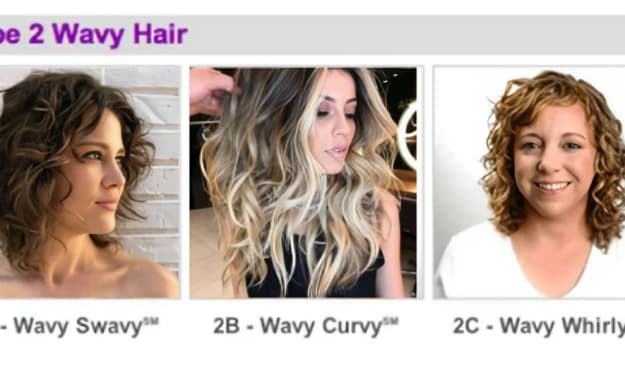
Wavy hair strikes the perfect balance between straight and curly hair, offering unique texture and volume. Understanding your specific type of wavy hair can help you select the right products and techniques for styling and care. There are three primary types of wavy hair, and each has its own characteristics and needs. Let's dive into these different types of wavy hair and how to take care of them.
By Care2health Info12 months ago in Lifehack
How to Stop Procrastinating (Scientifically Proven Method That Works)
There’s a moment most people don’t talk about. You sit down with every intention to start. The task is open in front of you. The deadline is real. And yet, something inside you quietly says, not now. You reach for your phone. You reorganize your desk. You tell yourself you’ll begin once you feel ready. Minutes turn into hours. By the end of the day, the guilt is heavier than the work ever was.
By Liam Osuos32 minutes ago in Lifehack
The dog everyone ignored became the reason I’m still alive.
No one noticed him at first. He crouched in the far corner of the shelter, half-hidden behind a metal food bowl, watching people walk past his cage as if he weren’t there. Families stopped to look at the dog with bright eyes and wagging tail. Volunteers smiled and laughed at the dogs who barked loudly for attention.
By Paw Planet about 4 hours ago in Lifehack


Comments
There are no comments for this story
Be the first to respond and start the conversation.