
Understanding Nodular Acne
Causes, Symptoms, and Effective Treatments

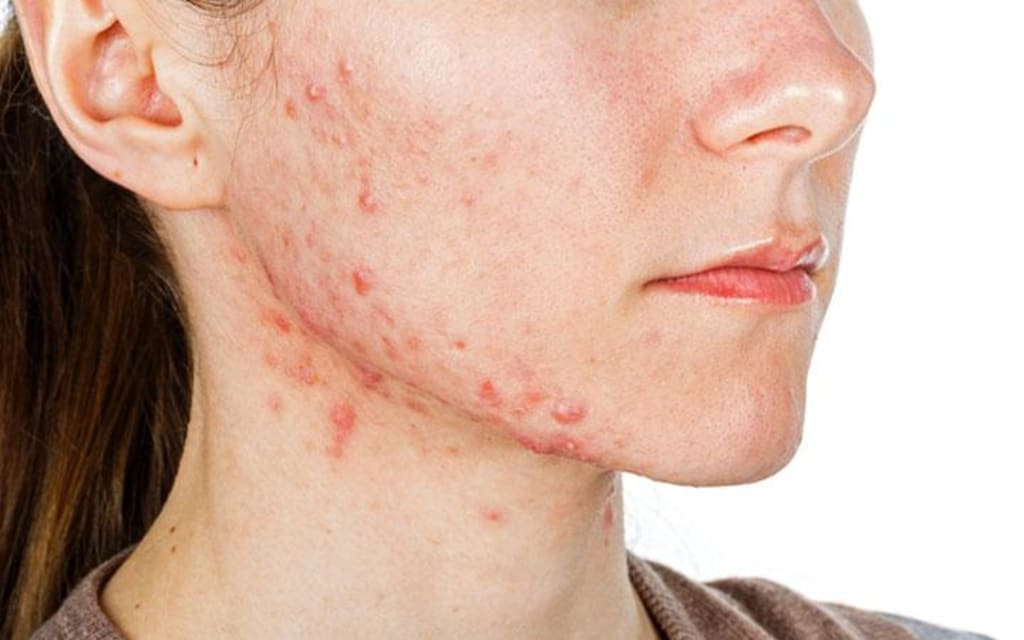
Nodular acne is one of the most severe forms of acne, often leading to deep, painful, and inflamed cysts or lumps under the skin. Unlike typical pimples or blackheads, nodular acne can be persistent, affecting individuals of all ages. It often requires specialized treatment to prevent scarring and manage its long-term impact on skin health. In this article, we’ll dive into the causes, symptoms, and treatments for nodular acne, offering valuable insights to help you combat this condition effectively.
What is Nodular Acne?
Nodular acne is characterized by the appearance of large, painful, solid nodules that develop deep within the skin. These nodules are typically hard and do not come to a head like regular pimples. As the acne progresses, it can result in significant inflammation, redness, and even scarring, making it one of the more challenging types of acne to treat.
Causes of Nodular Acne
Nodular acne is primarily caused by an overproduction of sebum (skin oil) that combines with dead skin cells to block hair follicles. This creates an environment where bacteria thrive, leading to inflammation and the formation of acne lesions. Several factors contribute to the development of nodular acne, including:
1. Hormonal Changes: Hormones play a significant role in the development of acne. Fluctuations during puberty, menstruation, pregnancy, or due to the use of oral contraceptives can trigger or worsen acne. Androgens, male hormones present in both men and women, can stimulate sebaceous glands to produce more oil, contributing to acne formation.
2. Genetics: A family history of severe acne increases the likelihood of developing nodular acne. If your parents or siblings had similar skin issues, you're at a higher risk of facing this type of acne.
3. Diet: While the relationship between diet and acne is still debated, some studies suggest that high glycemic foods (such as sugar and processed carbs) may exacerbate acne. Dairy products have also been linked to increased breakouts in some individuals.
4. Stress: Chronic stress can lead to hormonal imbalances that increase oil production and promote acne formation. The body’s stress response triggers the release of cortisol, which may intensify acne breakouts.
5. Poor Skin Care: Using harsh skin products or over-cleansing can strip the skin’s natural oils, causing it to overcompensate by producing more sebum. This can worsen acne, including the development of nodules.
Symptoms of Nodular Acne
Nodular acne manifests through distinct symptoms:
1. Large, Painful Lumps: The hallmark of nodular acne is the appearance of large, hard, painful bumps beneath the skin. These bumps are typically red or inflamed and do not come to a head like regular pimples.
2. Persistent Breakouts: Nodules tend to be long-lasting and may remain inflamed for weeks or even months. This is unlike other types of acne that can resolve more quickly.
3. Scarring: If left untreated, nodular acne can cause significant scarring. The inflammation from the deep nodules can damage the skin tissue, leading to permanent indentations or discoloration.
Treatment for Nodular Acne
Treating nodular acne requires a more intensive approach than standard acne treatments. Below are some effective treatment options to consider:
- Topical Retinoids: Retinoids, such as tretinoin, are powerful acne medications that help unclog pores and reduce inflammation. These treatments are available in creams or gels and are highly effective in managing severe acne. However, they may cause dryness or irritation, so it's essential to use them under the guidance of a dermatologist.
- Oral Antibiotics: For more severe cases of nodular acne, oral antibiotics like tetracycline, doxycycline, or minocycline may be prescribed. These antibiotics reduce the bacteria that contribute to acne while also minimizing inflammation. They are typically used for a short duration to avoid side effects.
- Oral Contraceptives: In cases where hormonal imbalance is a major trigger for acne, oral contraceptives can help regulate hormones and reduce breakouts. They are particularly effective in women who experience acne during their menstrual cycle.
- Isotretinoin (Accutane): Isotretinoin is a powerful oral medication reserved for severe, cystic, and nodular acne that hasn’t responded to other treatments. It reduces the size of sebaceous glands, minimizes sebum production, and improves skin turnover. However, isotretinoin can have serious side effects and requires close monitoring by a healthcare provider.
- Corticosteroid Injections: For immediate relief from inflammation and pain, corticosteroid injections can be used to shrink nodules quickly. This treatment is performed by a dermatologist and is often used in conjunction with other therapies.
- Chemical Peels and Laser Treatments: Chemical peels can help exfoliate the skin and reduce clogged pores, while laser treatments target deep acne scars and inflammation. These treatments are generally performed by dermatologists and can be effective for long-term skin improvement.
Prevention Tips for Nodular Acne
While you may not always be able to prevent nodular acne, there are several strategies you can follow to minimize flare-ups:
- Follow a Skincare Routine: Use a gentle cleanser and moisturizer that are appropriate for your skin type. Avoid harsh scrubbing or over-cleansing.
- Avoid Picking or Squeezing Pimples: Picking at acne lesions can increase the risk of scarring and infection. Always resist the urge to squeeze nodules.
- Eat a Healthy Diet: Incorporate more fruits, vegetables, and whole grains into your diet while limiting processed foods, sugar, and dairy.
- Manage Stress: Regular exercise, yoga, and mindfulness techniques can help reduce stress and its impact on your skin.
Nodular acne can be a painful and persistent skin condition that requires effective management. By understanding the causes and symptoms, and exploring the range of treatment options, individuals suffering from this form of acne can take proactive steps toward clearer skin. Whether through topical treatments, medications, or lifestyle changes, there are multiple ways to minimize the impact of nodular acne and achieve healthier, more confident skin. Always consult a dermatologist to determine the best course of action based on your unique skin needs.
By following these treatment strategies, you can find relief from nodular acne and prevent long-term damage to your skin, improving both your appearance and your self-esteem.
About the Creator
Rossa
I am an ordinary woman with 2 children who live under the sun, same as you.
Blog: Happy Woman
The Power of Being Alone: Why Solitude Is Becoming the Secret Weapon of the Modern Mind
The modern world is loud. Notifications buzz, videos autoplay, conversations scroll endlessly across screens, and opinions arrive faster than most people can process them. Silence has become so rare that many now associate it with discomfort instead of peace. The moment there is nothing to listen to, watch, or respond to, the hand instinctively reaches for a phone. But beneath all this noise lies a forgotten skill — the ability to be alone without feeling lonely. Solitude is not the same as isolation. Isolation is being cut off from others against your will. Solitude is choosing to step away, even briefly, to reconnect with yourself. This difference is small in definition but massive in impact. Psychologists have found that moments of intentional solitude can improve creativity, emotional regulation, and problem-solving. When the brain is no longer reacting to external stimuli, it begins to wander inward. This is where ideas form, where feelings are processed, and where deeper understanding takes shape. Many of history’s most influential thinkers, artists, and leaders had one thing in common: they valued time alone. Writers walked long distances to think. Scientists sat quietly with unsolved problems. Philosophers spent hours in reflection. These weren’t escapes from reality — they were ways of understanding it more clearly. Today, however, solitude is often misunderstood. Being alone can be seen as antisocial or unproductive. In a culture that celebrates constant connection, stepping back can feel like falling behind. But in truth, the opposite is often happening. When people never pause, they don’t just lose time — they lose direction. Without moments of reflection, it becomes easy to live on autopilot. Goals are inherited instead of chosen. Opinions are adopted instead of examined. Emotions are suppressed instead of understood. Over time, this can create a quiet sense of dissatisfaction, even when life looks successful on the surface. Solitude acts as a mental mirror. In silence, you begin to notice what actually matters to you. You recognize patterns in your behavior. You become aware of the thoughts you normally drown out with distraction. This awareness can be uncomfortable, but it is also powerful. There is also a growing connection between solitude and focus. In an age of constant interruption, the ability to concentrate deeply has become a competitive advantage. People who can work without checking their phone every few minutes often produce better results in less time. This kind of focus doesn’t come from willpower alone — it comes from training the mind to be comfortable without stimulation. Even emotional resilience is shaped in quiet moments. When you sit alone with a difficult feeling instead of escaping it, you learn that discomfort doesn’t destroy you. You learn that emotions rise and fall like waves. This understanding builds inner stability that no external validation can replace. Of course, humans are social by nature. Connection, community, and relationships are essential for a healthy life. The power of solitude doesn’t come from replacing these things, but from balancing them. It’s in solitude that you figure out what you want to bring back to the world. Small practices can make a big difference. A short walk without headphones. A few minutes of journaling in the morning. Sitting quietly before starting the day. These moments don’t need to be dramatic. They just need to be intentional. Over time, something changes. The noise of the world becomes easier to navigate. Decisions feel clearer. Reactions become calmer. You begin to act from understanding instead of impulse. In a society that is constantly speaking, posting, and performing, choosing silence can feel radical. But that is exactly why it is so powerful. Because sometimes, the strongest voice you can listen to is your own.
By Hazrat Usman Usmana day ago in Lifehack


Comments (1)
Hey, just wanna let you know that this is more suitable to be posted in the Longevity community 😊