
When Does Your Vehicle Need An Alignment? I'll Shoot You Straight!
A Master Mechanic explains how a yearly alignment will save your tires, your money and your sanity...

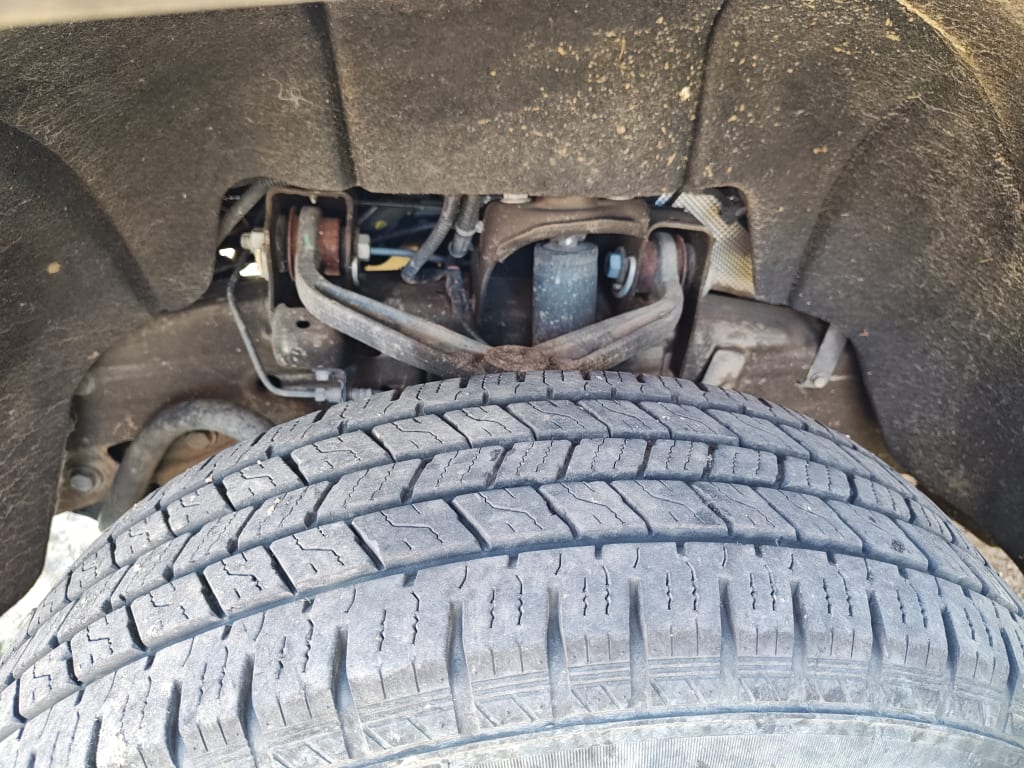
As a general rule, I like to have my vehicle aligned once per year. I usually do it in the spring or early summer, just before a road trip.
A straight steering wheel, a car that doesn’t pull left or right, and relaxed highway driving all make long trips more enjoyable. A proper alignment also reduces driver fatigue — you’re not constantly fighting the wheel just to stay in your lane.
But comfort is only part of the story.
A quality alignment also provides one of the most valuable inspections your vehicle can receive. Here’s why it matters.
________________________________________
1. A Good Alignment Includes a Real Inspection
The most important part of an alignment isn’t the machine — it’s the mechanic.
A quality alignment always starts with inspecting the components that hold the alignment. Otherwise, any adjustment made won’t last.
Here’s what a good mechanic checks:
Tires Tell the Story
Tires reveal alignment and suspension problems long before most drivers notice them.
A trained mechanic looks for:
• Uneven wear across the tread
• Cupping (often caused by worn shocks or struts)
• Belt separation or abnormal wear patterns
• Low tire pressure wear indicators
Cupping, in particular, happens when worn shocks allow the tire to bounce down the road — creating a pattern that looks like shallow cups in the tread and often sounds like a failing wheel bearing.
________________________________________
Steering Components
The mechanic will grab the front tires at the 3 and 9 o’clock positions and check for excessive play.
Some movement is normal, but too much indicates worn:
• Tie rod ends
• Ball joints
• Upper strut bearing plates (on strut-equipped vehicles)
Symptoms you may notice:
• Excessive steering wheel play
• Vibration
• Having to “hold” the wheel slightly off-center to go straight
________________________________________
Suspension Components
A visual inspection looks for:
• Broken or leaking shocks/struts
• Damaged springs
• Loose or worn bushings
A proper jounce test should also be performed. The vehicle should settle after one bounce — not continue oscillating.
________________________________________
Wheel Bearings
While inspecting steering components, the mechanic should also check for bearing wear by testing wheel movement at the 12 and 6 o’clock positions.
Any movement here usually means:
• Further inspection for serviceable bearings
• Replacement for sealed bearings
________________________________________
What a “Quality Alignment” Actually Means
This part is critical.
Many shops perform what mechanics call a “toe-and-go” alignment:
• Minimal inspection
• Only toe is adjusted
• Steering wheel is centered
• Vehicle is sent on its way
Toe is important, but it’s only one of three alignment angles.
A proper alignment also verifies:
• Camber (inward or outward tilt of the tire)
• Caster (steering stability and return-to-center)
Skipping these checks means:
• Tires wear faster
• Vehicle may still pull
• Alignment won’t hold if worn components aren’t first replaced
________________________________________
Where I Take My Own Vehicles
As a Master Mechanic without access to an alignment machine, I take my vehicles to the dealership — and here’s why:
• Adjustment methods vary by manufacturer
• Some caster or camber adjustments require specific shims or hardware
• Dealerships stock these parts
If worn components are found, you’re not obligated to have the repair done there. You can:
• Take the inspection results to your own mechanic
• Perform the repairs yourself
• Return later for the alignment
You may only be charged for the inspection — which is money well spent.
________________________________________
The Bottom Line
A yearly alignment:
• Improves tire life
• Reduces steering fatigue
• Catches suspension problems early
• Makes road trips more enjoyable
And if you find a shop that actually inspects your vehicle before checking and adjusting all three alignment angles?
You will have two things:
• A car that drives straight
• An alignment shop that isn’t crooked
About the Creator
Keep reading
More stories from Jack Martin and writers in Lifehack and other communities.
Premium Gas Is Draining Your Wallet — Unless Your Engine Needs It
Have you ever wondered whether premium fuel could actually help your engine? Fuels rated at 91–93 octane do resist detonation better than lower-octane fuels, and in some cases they can burn more completely. But does that mean your engine will run better, last longer, or get more power?
By Jack Martinabout 20 hours ago in Lifehack


Comments
There are no comments for this story
Be the first to respond and start the conversation.