
Understanding Minoxidil: A Comprehensive Guide to Hair Growth
Unveiling the Science Behind Minoxidil's Hair Growth Magic

Introduction
Hello, dear readers! Welcome back to another blog by MedSimplified. I am Dr. Umar Malik, and I sincerely hope all of you are doing well. In our previous videos on hair fall, we received overwhelming positive feedback, and I want to express my gratitude for that. Today, we are going to delve into a topic that is widely misunderstood but commonly used by both men and women worldwide - Minoxidil.
Hair fall is a sensitive issue for many of us, leading people to try various unproven therapies, expensive treatments, and even hair transplants. However, before diving into all of that, I urge you to watch our video on why hair fall occurs and how to prevent it by clicking the banner above. Simple modifications in your diet and habits can have a significant impact in delaying, if not preventing, hair loss. If you have noticed early signs of baldness, such as thinning hair or a receding hairline, you may have considered Minoxidil as a topical treatment to protect existing hair and stimulate regrowth. So, without further ado, let's explore the world of Minoxidil.
1. The Origins of Minoxidil
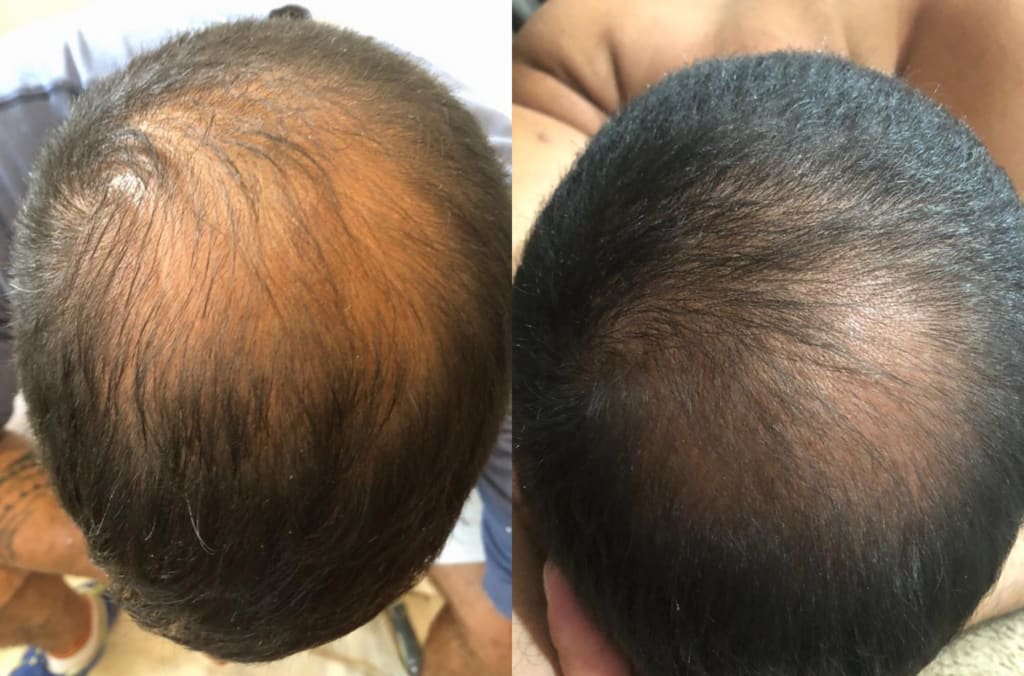
Contrary to popular belief, Minoxidil was not originally developed as a hair fall treatment. In the 1970s, it was introduced as an anti-hypertensive medication to lower blood pressure when taken orally. However, during its use, physicians observed an interesting side effect in bald patients - hair regrowth and excessive hairiness (known as generalised hypertrichosis). This surprising discovery paved the way for the development of a special formulation for promoting hair growth, to be applied directly on the skin and scalp. Today, the FDA has approved the topical use of Minoxidil for the treatment of androgenetic alopecia, commonly known as male and female pattern baldness.
2. How Does Minoxidil Work?
Understanding how Minoxidil induces hair growth requires a brief overview of the hair growth cycle. The hair growth cycle consists of three phases - the anagen (active growth), catagen (transitional), and telogen (resting) phases. During the anagen phase, hair grows to its full length, and approximately 85 to 90 percent of hairs are in this phase at any given time. This phase typically lasts for two to six years.
3. The Hair Growth Cycle
As your hair reaches its full length in the anagen phase, it transitions into the catagen phase, where it detaches from your scalp. Subsequently, the hair enters the telogen phase, resting for several months before shedding entirely. During this process, new hair starts growing from the hair follicle to replace the shed hair.
4. Minoxidil's Impact on Hair Growth
Minoxidil works by shortening the telogen phase of the hair growth cycle, thereby prompting a faster transition to the anagen phase. This leads to a greater number of hairs entering the active growth phase, promoting increased hair density and overall hair growth.
5. Minoxidil for Androgenetic Alopecia
Minoxidil has been extensively studied for its effectiveness in treating androgenetic alopecia, which is the most common cause of hair loss in both men and women. When applied topically, Minoxidil can help to slow down hair loss, stimulate regrowth, and improve hair thickness and volume. However, it is essential to note that results may vary from person to person, and consistent application is necessary for sustained benefits.
6. How to Use Minoxidil
To achieve the best results with Minoxidil, follow these simple steps:
a. Cleanse: Before applying Minoxidil, ensure your scalp is clean and dry. Use a mild shampoo to remove any dirt or oil.
b. Application: Apply the recommended amount of Minoxidil directly to the affected areas of the scalp. Gently massage it into the scalp, allowing it to penetrate the hair follicles.
c. Consistency: Use Minoxidil as directed, usually twice daily. Consistency is key to maximising its benefits.
d. Patience: Hair growth takes time, and it may take several months to see noticeable results. Be patient and persistent.
Conclusion
In conclusion, Minoxidil is a widely-used topical treatment for hair fall, backed by scientific evidence and approved by the FDA for treating androgenetic alopecia. By shortening the telogen phase of the hair growth cycle, Minoxidil encourages hair regrowth and increased hair density. While it may not be a magical cure, it has shown promising results for many individuals experiencing hair loss.
Remember, before starting any new hair fall treatment, consult a healthcare professional to determine the underlying cause of your hair loss and the most suitable approach for your individual needs. Thank you for joining us in this exploration of Minoxidil. Until next time, take care and stay informed with MedSimplified!
About the Creator
Rohit Singh
Software developer, part-time content creator, and tech enthusiast.
Unleashing creativity and embracing tech. Join me on this thrilling journey! 🚀
Keep reading
More stories from Rohit Singh and writers in Lifehack and other communities.
Naturally Flaky No More: 5 Home Remedies for Dandruff-Free Scalp
Dandruff, an annoying and embarrassing scalp condition, affects millions of people worldwide, regardless of their age, ethnicity, or gender. While it primarily manifests on the scalp, it can also extend to other hairy areas such as eyebrows, ears, beards, and even the chest. Dealing with the constant itching and flaking can be frustrating, but there's good news! In this article, we'll explore five natural home remedies that have proven to be effective in treating dandruff without any harmful side effects. Drawing from ancient healing practices like Ayurveda, we'll delve into the wonders of neem oil, tea tree oil, apple cider vinegar, aloe vera gel, and lemon juice, all of which can help you bid farewell to dandruff and embrace a flake-free scalp.
By Rohit Singh3 years ago in Lifehack
Work Less, Create More: Why Smart Creators Are Delegating Their Work
What once required a publishing company can now be done with a laptop, a website, and a strong idea. But as many bloggers quickly discover, running a successful online platform involves far more than writing articles.
By Bella Clumabout 19 hours ago in Lifehack
Wedding RSVPs Made Easy: A 2026 Planning Guide
Couples are juggling timelines, vendors, budgets, travel schedules, and guests who live on their phones. Because of that, the RSVP process has changed dramatically. What once depended on mailed cards and handwritten responses has shifted into a digital first system built around speed and clarity.
By Vala Flynnabout 20 hours ago in Lifehack


Comments
There are no comments for this story
Be the first to respond and start the conversation.