
Understanding HMPV: How Human Metapneumovirus is Affecting Public Health in 2025
What You Need to Know About HMPV, Its Symptoms, Prevention, and the Growing Concern in the U.S.
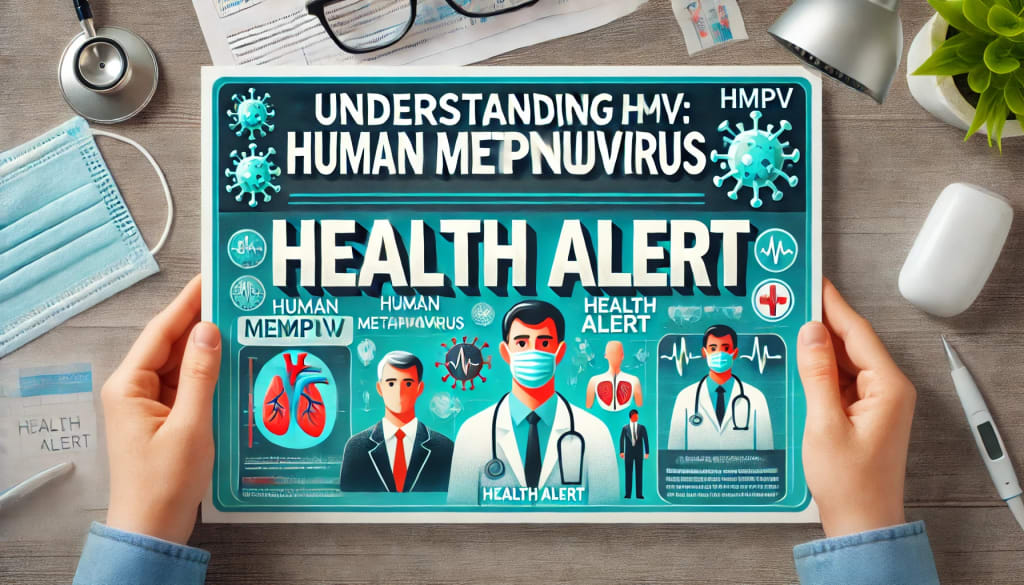
In 2025, health experts are raising alarms about the increasing impact of Human Metapneumovirus (HMPV) on public health in the United States. While HMPV has been around for a while, it is gaining more attention as cases rise and more people experience its effects. In this comprehensive guide, we’ll break down everything you need to know about HMPV, including symptoms, prevention, and how it’s affecting communities across the U.S. Let’s explore why this virus is becoming a significant health concern and what you can do to stay informed.
What is HMPV?
Human Metapneumovirus (HMPV) is a respiratory virus that belongs to the family Paramyxoviridae, similar to the flu virus and respiratory syncytial virus (RSV). HMPV was first discovered in 2001, and since then, it has been linked to various respiratory illnesses, particularly in young children, elderly adults, and those with compromised immune systems. It spreads through respiratory droplets when an infected person coughs or sneezes and can survive on surfaces for several hours.
Although HMPV is common during the colder months, its prevalence and severity have been growing in recent years, causing concern among healthcare professionals and researchers.
Symptoms of HMPV Infection
HMPV can lead to mild to moderate respiratory symptoms, but in some cases, it can result in severe illness. Common symptoms include:
Coughing
Fever
Nasal congestion
Shortness of breath
Wheezing
Fatigue
Sore throat
Body aches
In more severe cases, especially in vulnerable groups, HMPV can lead to bronchiolitis (inflammation of the small airways in the lungs), pneumonia, and respiratory failure. Hospitals across the U.S. have seen increased admissions due to these complications, especially in pediatric and geriatric patients.
How HMPV is Affecting Public Health in the U.S.
In 2025, HMPV cases are rising, with reports from major cities and states such as California, New York, and Florida showing an uptick in infections. This surge has prompted the Centers for Disease Control and Prevention (CDC) to issue guidelines for healthcare providers to manage and monitor the virus more closely. Here’s why HMPV is making headlines:
Increased Transmission:
While HMPV is not as well-known as other viruses, its ability to spread rapidly in crowded areas like schools and nursing homes is becoming a major concern. As flu season overlaps with HMPV’s peak time, there’s a compounded risk for hospitals.
Vulnerable Populations:
Children under the age of 5 and adults over 65 are at the highest risk for severe illness. In nursing homes and long-term care facilities, outbreaks have been particularly devastating, highlighting the importance of preventive measures.
Seasonal Outbreaks:
Similar to RSV and influenza, HMPV tends to peak in the fall and winter months. With the increasing unpredictability of seasonal illness, healthcare systems are preparing for more widespread outbreaks.
Preventing HMPV Infection
There is currently no specific vaccine for HMPV, but the good news is that there are several preventive measures you can take to reduce your risk:
Good Hygiene Practices
Regularly wash your hands with soap and water for at least 20 seconds, especially after coughing or sneezing. Hand sanitizers with at least 60% alcohol can also help kill the virus.
Cover Your Mouth and Nose
Use a tissue or the inside of your elbow when you cough or sneeze to prevent the spread of respiratory droplets.
Avoid Close Contact
Stay away from individuals showing symptoms of respiratory illness. If you’re feeling unwell, it's important to self-isolate to avoid infecting others.
Clean Surfaces Frequently
Disinfect commonly touched surfaces, such as door handles, light switches, and cell phones, especially during peak cold and flu seasons.
Vaccinations
While there’s no vaccine for HMPV itself, staying up to date with vaccines for flu and RSV can help reduce the risk of co-infection and complications.
What’s Being Done to Combat HMPV?
Research into HMPV vaccines and treatments is ongoing. Various pharmaceutical companies are working on developing vaccines, antiviral drugs, and other therapies to target the virus. Public health campaigns are also pushing for greater awareness about HMPV’s presence and encouraging people to take preventive actions.
Additionally, health officials are urging people to stay home when sick, especially in communities where there are outbreaks, to limit the spread of HMPV to others. Public health organizations continue to track outbreaks and provide resources to healthcare facilities on how to manage and treat HMPV effectively.
Conclusion: Stay Informed and Safe
HMPV is becoming a more prominent health concern in the U.S. as we move through 2025. While many cases are mild and resolve without serious complications, it’s important to stay informed, especially if you belong to a high-risk group. By practicing good hygiene, staying home when sick, and keeping up with the latest health guidelines, you can help protect yourself and others from this growing threat.
As we continue to navigate through cold and flu seasons, it’s essential to monitor updates from health authorities, practice preventive measures, and stay prepared for any future outbreaks.
Call to Action:
Stay informed about HMPV and other seasonal respiratory infections by subscribing to health newsletters, following reliable health blogs, and sharing this article with friends and family to help spread awareness.
By targeting a trending and relevant topic like HMPV, this blog can cater to an audience looking for health-related news and updates. The article includes key information, expert advice, and actionable steps, making it a valuable resource for readers in the U.S. interested in learning more about this growing concern.
About the Creator
Keep reading
More stories from muhammad younus and writers in Lifehack and other communities.
FA Cup Third Round: Newcastle United vs. Bromley FC – A Classic David vs. Goliath Encounter
The FA Cup, long known for its tradition of thrilling upsets and unforgettable moments, promises yet another exciting encounter in the third round. On January 12, 2025, Premier League giants Newcastle United will face League Two's Bromley FC at St. James' Park. This match is the perfect example of the classic "David vs. Goliath" story, where a top-tier team like Newcastle takes on underdog Bromley, offering both sides a chance to shine on the national stage.
By muhammad younusabout a year ago in Cleats
Using a novel strategy, scientists try to stop human ageing.
Your cells' functions change as you age, and this gradual change can lead to organ failure, weakening, and scarring. There is now hope for treating age-related disorders since scientists have discovered a mechanism to nudge some cells back towards healthy roles.
By Francis Dami3 days ago in Lifehack
How Naturopathic Medicine Can Help Hormonal Imbalances
They can also increase the risk of chronic diseases like diabetes. Many people are now turning to natural approaches for relief. Naturopathic medicine offers holistic solutions that focus on restoring balance rather than just masking symptoms.
By Lola Gold Fincha day ago in Lifehack




Comments
There are no comments for this story
Be the first to respond and start the conversation.