
Understanding Hair Loss
Types, Causes, Symptoms, and Treatment Options

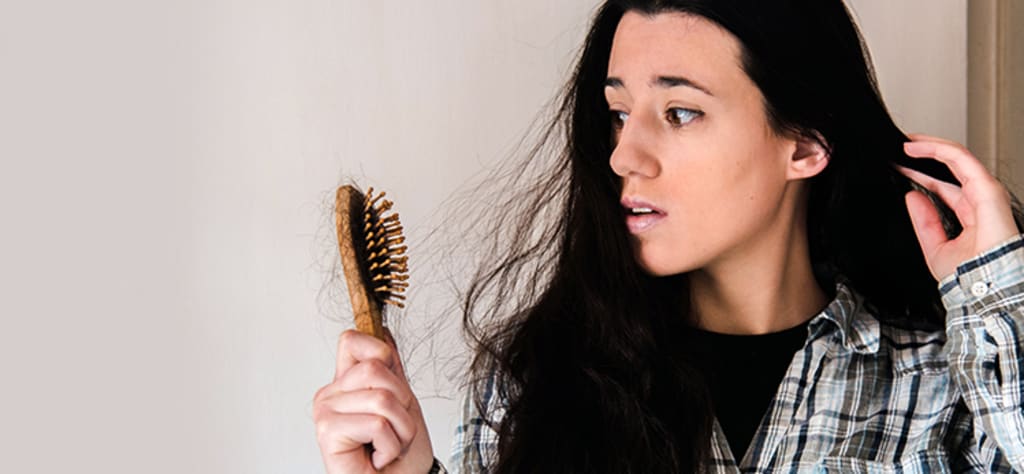
Hair loss is a common condition that affects both adults and children. Most people lose around 100 strands of hair per day as part of the natural growth cycle. However, when you start losing more hair and fewer or no new strands grow back, it is known as alopecia or hair loss. There are different types of hair loss, some of which are temporary while others are permanent.
Before continuing to read the article we would like to offer you a totally FREE E-Book about Hair Loss and how to stop it. Follow this link to get it!
The most common types of hair loss include androgenic alopecia, alopecia areata, telogen effluvium, and anagen effluvium. Androgenic alopecia, also known as male pattern baldness or hair loss in women, is a hereditary condition that can affect anyone. Alopecia areata is an autoimmune disease that causes hair loss from the head and body. Telogen effluvium involves rapid shedding of hair due to physical or emotional stress or sudden hormonal changes. Anagen effluvium is a rapid hair loss that occurs as a result of medical treatments like chemotherapy.
Baldness, specifically androgenic alopecia, is the most common type of hair loss, affecting approximately 80 million individuals in the U.S. Hair loss is a well-known side effect of chemotherapy, and alopecia areata affects about 6.8 million people in the U.S.
Hair loss can have various causes, including hereditary factors, fungal infections on the scalp, tight hairstyles that pull the hair, damage from haircare treatments like perms and bleach, hormonal changes during pregnancy or menopause, certain medical treatments and medications, nutritional deficiencies, stressful events, and thyroid disease.
The symptoms of hair loss differ depending on the type and cause. They can include a receding hairline (typical of male pattern baldness), thinning hair all over the head (typical of female pattern hair loss), loss of small patches of hair on the scalp, or loss of hair on the scalp and body.
Hair loss, whether temporary or permanent, can be emotionally challenging for many people. Some types of hair loss can eventually lead to baldness. It is important to protect the scalp if you experience significant hair loss. Wearing a hat, scarf, or using sunscreen daily can reduce the risk of skin cancer associated with sun exposure.
Diagnosing the cause of hair loss may require some investigation by your healthcare provider. They may inquire about your family history, review your medical history, order blood tests to check thyroid function and iron levels, examine your scalp for signs of infection, or perform a scalp biopsy to check for skin disease.
The treatment for hair loss depends on the underlying cause. Addressing the cause, such as medication adjustments, hormonal balance, or diet changes, can often help stop hair loss. Treatments for androgenic alopecia include over-the-counter medications applied to the scalp (e.g., minoxidil or Rogaine®) or prescription oral medications (e.g., finasteride or Propecia®) for men with male pattern baldness. Hair transplants and platelet-rich plasma (PRP) injections are other options for treating hair loss.
While it is not possible to prevent all types of hair loss, certain steps can help maintain hair health and minimize loss. These include consuming a healthy diet with adequate calories, protein, and iron, finding ways to manage stress, addressing any medical conditions that could contribute to hair loss (e.g., thyroid disease), avoiding hairstyles that pull the hair tightly, and considering the use of cooling caps during chemotherapy.
Hair loss itself does not pose a medical risk, but it can sometimes indicate an underlying disease. The prognosis for hair loss depends on the cause and can range from temporary to permanent. Treatments are available for certain types of hair loss, and support groups can offer emotional support and assistance with obtaining wigs or exploring coping strategies, particularly for conditions like alopecia areata that can affect children as well as adults.
If you experience symptoms such as burning, itching, or irritation on the scalp, excessive daily shedding, loss of hair on the body in addition to the scalp, or sudden loss of large amounts of hair, it is recommended to consult with your healthcare provider. They can determine the cause of your hair loss and discuss appropriate treatments.
It is important to communicate with your healthcare provider about your concerns and ask questions such as the cause of your hair loss, the need to change any current medications, the best treatments for your specific type of hair loss, the suitability for a hair transplant, and the possibility of regrowing hair.
Remember that effective treatments exist for many causes of hair loss, and people can thrive and feel great regardless of the amount of hair they have.
GET YOUR FREE E-BOOK ON HAIR LOSS NOW: CLICK HERE
About the Creator
Keep reading
More stories from Gashi Halit and writers in Lifehack and other communities.
Everything you need to know about hair loss and how to stop it in its tracks
Losing up to 100 strands of hair per day is considered normal, but during the pandemic, many of us have noticed increased hair loss. While hair fall is a normal part of the hair growth cycle, hair loss indicates an issue that impairs the cycle itself. Hair fall refers to the shedding of hair strands, while hair loss involves not only shedding but also a decrease in density. Dr. Satish Bhatia, a cutaneous surgeon based in Mumbai, explains that hair loss occurs when you lose hair and the rate of hair growth declines.
By Gashi Halit3 years ago in Lifehack
Spirulina Benefits
In recent years, spirulina has earned a strong reputation as one of the most powerful natural superfoods available today. Used for centuries by ancient civilizations and now backed by modern scientific research, spirulina is praised for its impressive nutritional profile and wide range of health benefits. From boosting energy levels to supporting immunity and detoxification, this microscopic algae has become a favorite among health-conscious individuals worldwide.
By shakir hamid7 days ago in Lifehack
Lately, I'm empty
Lately, I feel an emptiness inside of me that doesn’t make any sense. I was fine a week ago and now I’m numb to the pain that I’ve been carrying around. Numb to the idea of me existing. I wish I could go to a place where I can hear happy positive thoughts and surround myself with joy. The medication I’m on doesn’t seem to work anymore. I still feel pain from existing, why am I here anyways? Merely to exist. I don’t feel like I’m making any differences being here.
By Cerina Galvan4 days ago in Confessions




Comments
There are no comments for this story
Be the first to respond and start the conversation.