
Understanding Fabric Durability: How the Martindale Tester Shapes Modern Textile Quality
Martindale Tester
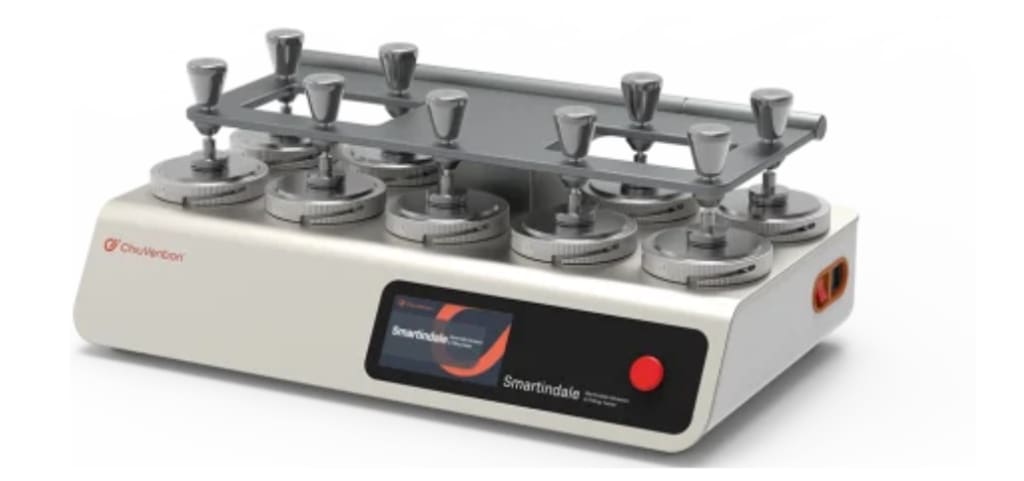
In the textile industry, durability is one of the most important indicators of product quality. From everyday clothing and upholstery to industrial and protective materials, fabrics are constantly exposed to friction, pressure, and repeated use. To evaluate how well a material performs under such conditions, laboratories rely on standardized testing methods. One of the most widely recognized tools for this purpose is the Martindale Tester, an instrument designed to assess fabric abrasion resistance and pilling behavior in a controlled, repeatable manner.
Accurate durability testing is essential not only for manufacturers but also for researchers, quality inspectors, and brands that must comply with international standards. As textile production becomes more advanced and data-driven, testing equipment has also evolved to meet higher expectations for precision, efficiency, and consistency.
What Is a Martindale Tester?
A Martindale Tester is a laboratory instrument used to simulate the wear a fabric experiences during normal use. It works by rubbing a fabric sample against a standard abrasive surface using a specific pressure and a multi-directional motion. Over time, this process reveals how resistant the material is to abrasion and whether it tends to form pills—small fiber balls that appear on the surface due to friction.
The results help determine how long a fabric is likely to maintain its appearance and structural integrity. Because the method is standardized, results can be compared across different materials, batches, or manufacturers.
Why Abrasion and Pilling Testing Matters
Fabric performance testing plays a key role in several areas of the textile industry:
- Quality Control: Ensures consistency across production batches
- Product Development: Helps engineers and designers compare materials and finishes
- Standards Compliance: Verifies that fabrics meet international and regional regulations
- Consumer Satisfaction: Reduces premature wear, complaints, and returns
Without reliable testing, durability claims would be subjective rather than measurable.
The Evolution Toward Smarter Testing Systems
Traditional Martindale testers are mechanically driven and have been used for decades. While effective, mechanical systems may require regular calibration and manual monitoring. Recent advancements have introduced digitally driven and sensor-assisted versions that improve repeatability and reduce operator dependency.
Modern “smart” Martindale systems focus on:
- Digitally controlled motion instead of purely mechanical drives
- Consistent generation of the Lissajous movement pattern
- Automated cycle counting and test monitoring
- Reduced maintenance and calibration requirements
These improvements are particularly valuable in laboratories that process high sample volumes or require long-term data consistency.
How the Martindale Test Works
Although the technology may vary, the testing principle remains consistent:
- Sample Preparation: Fabric specimens are cut to standard dimensions and mounted in holders with defined weights.
- Abrasion Process: The sample moves against a standard abrasive fabric in a precise, repeated pattern.
- Cycle Measurement: The test runs for a fixed number of cycles or until visible damage occurs.
Evaluation:
- Abrasion resistance is measured by the number of cycles endured before failure.
- Pilling resistance is assessed visually using standardized reference charts.
This method provides quantifiable data that can be documented and audited.
Materials Commonly Tested
Martindale testing is applicable to a wide range of materials, including:
- Woven fabrics such as cotton, wool, silk, and linen
- Knitted and synthetic textiles like polyester and nylon
- Artificial and synthetic leather
- Non-woven and technical fabrics
- Protective materials used in gloves, footwear, and workwear
Its versatility makes it a core instrument in textile laboratories worldwide.
Alignment With International Standards
One reason the Martindale method remains widely used is its alignment with global testing standards. Commonly referenced standards include ISO, ASTM, EN, and GB/T specifications for abrasion and pilling resistance. Compliance with these standards ensures that test results are accepted across different markets and regulatory environments.
The Role of Digital Integration in Textile Labs
As laboratories move toward digital record-keeping and automation, newer testing instruments often support data export, software integration, and remote monitoring. These features help labs reduce manual documentation, improve traceability, and maintain consistent testing procedures over time.
Such integration is increasingly important for organizations working with audits, certifications, or multi-location quality systems.
Conclusion
Fabric durability is not a matter of appearance alone—it is a measurable performance characteristic that influences product lifespan, safety, and customer satisfaction. The Martindale Tester remains a cornerstone of textile testing because it offers a standardized, repeatable way to evaluate abrasion and pilling resistance.
With the ongoing shift toward smarter, digitally controlled laboratory equipment, modern Martindale testing systems continue to support higher accuracy, efficiency, and reliability. For professionals involved in textile manufacturing, testing, or research, understanding this method is essential to ensuring that fabrics meet both technical requirements and real-world expectations.
About the Creator
Keep reading
More stories from Shazad Khan and writers in Lifehack and other communities.
How to Build a Financial Roadmap for Long-Term Business Success
Strategy planning helps businesses thrive in today's competitive world. Companies with reliable financial roadmaps, developed with the support of experienced business accountants brisbane, enjoy better resource allocation and stronger financial health. They become more agile during uncertain times.
By Shazad Khan2 months ago in Lifehack
How to Find Penny Items at Dollar General
Imagine walking into Dollar General and walking out with a cart filled with items that cost you a total of less than a dollar. The lucky few who snag penny items certainly have experienced the adrenaline and happiness it creates. If you want to feel like a Queen (or king) for a day, read below to learn how you can become a DG penny-aire.
By Criminal Matters8 days ago in Lifehack
How to Recover Your Instagram Account: The Complete 2026 Guide
Losing access to your Instagram account can feel like being locked out of a digital life. With billions of users and accounts increasingly targeted by hackers, knowing exactly how to react is crucial. Whether you’ve been hacked, forgotten your password, or had your account disabled, this comprehensive guide walks you through every official recovery method. We base our advice on Instagram's official help resources and cybersecurity experts to ensure you can regain access quickly and secure your profile for the future.
By Alexander Hoffmannabout 7 hours ago in Lifehack




Comments
There are no comments for this story
Be the first to respond and start the conversation.