
Types of Back Braces Used for Lower Back Pain Relief Treatment
Lower Back Pain

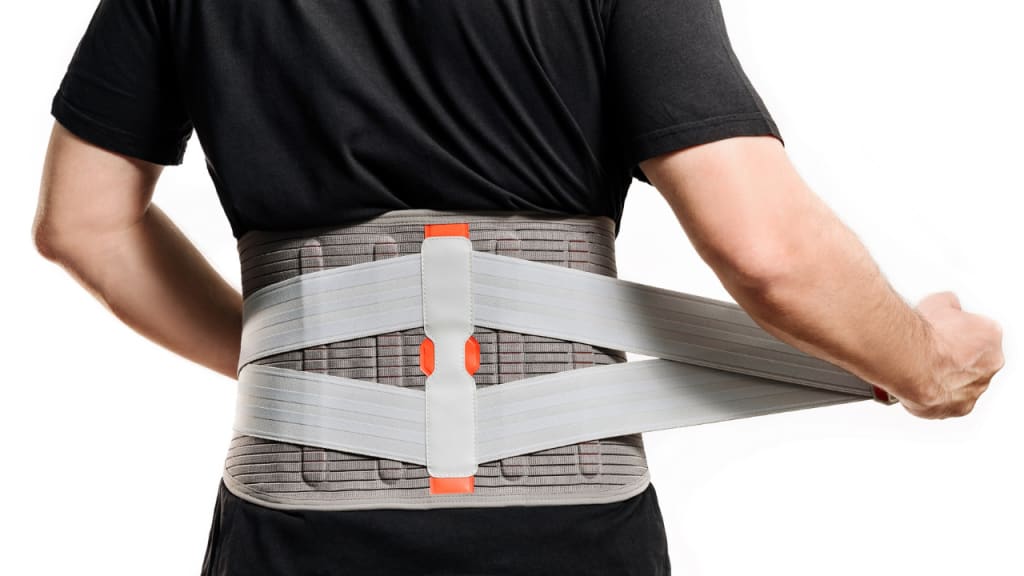
Lower back pain is a common issue that affects millions of people worldwide. Whether caused by an injury, poor posture, or medical conditions like arthritis or scoliosis, back pain can severely impact daily activities. One effective way to manage and alleviate lower back pain is by using a back brace. Back braces provide support, stability, and pain relief by reducing pressure on the spine and improving posture.
In this article, we will explore the different types of back braces used for lower back pain relief treatment, their benefits, and how to choose the right one for your needs.
Types Of Back Braces
1. Rigid (Hard) Back Braces
Rigid back braces are designed to provide maximum support to the lower back. They are typically made of hard plastic or metal with foam padding for comfort. These braces limit movement and are often prescribed for severe spinal conditions.
Uses:
- Post-surgical recovery
- Spinal fractures
- Scoliosis treatment
- Severe lower back injuries
Benefits:
- Provides strong support and immobilization
- Reduces pressure on the spine
- Helps in proper healing post-surgery
Drawbacks:
- Can be uncomfortable due to restricted movement
- Bulky and may be difficult to wear under clothing
2. Semi-Rigid Back Braces
Semi-rigid braces offer a balance between support and flexibility. They are typically made of a combination of rigid and soft materials, providing moderate stability while allowing limited movement.
Uses:
- Chronic lower back pain
- Herniated discs
- Degenerative disc disease
- Mild to moderate spinal injuries
Benefits:
- Offers support without complete immobilization
- More comfortable than rigid braces
- Helps improve posture while allowing mobility
Drawbacks:
- May not provide enough support for severe conditions
- Can be less effective in preventing excessive movement
3. Soft (Flexible) Back Braces
Soft back braces are made of elastic materials, such as neoprene or fabric with adjustable straps. They are commonly used for mild back pain relief and posture correction.
Uses:
- Mild to moderate lower back pain
- Muscle strains and sprains
- Posture correction
- Preventive support for physical activities
Benefits:
- Lightweight and comfortable
- Allows greater range of motion
- Can be worn discreetly under clothing
Drawbacks:
- Provides less support than rigid or semi-rigid braces
- May not be suitable for severe spinal conditions
4. Sacroiliac (SI) Joint Belts
Sacroiliac joint belts are designed to stabilize the sacroiliac joint, which connects the spine to the pelvis. These braces help in reducing pain caused by sacroiliac joint dysfunction.
Uses:
- Sacroiliac joint dysfunction
- Lower back and hip pain
- Pregnancy-related back pain
Benefits:
- Specifically targets sacroiliac joint pain
- Provides compression and stability
- Can be worn during daily activities
Drawbacks:
- Not effective for general lower back pain
- May not provide sufficient lumbar support - (lumbar support belt may be used)
5. Posture Corrector Braces
Posture corrector braces help align the spine by pulling the shoulders back and promoting an upright posture. These braces are often used for posture-related lower back pain.
Uses:
- Poor posture correction
- Muscle fatigue and strain
- Preventing back pain caused by prolonged sitting
Benefits:
- Encourages better posture
- Reduces strain on lower back muscles
- Lightweight and comfortable
Drawbacks:
- Limited support for severe pain conditions
- Requires consistent use for effectiveness
6. Maternity Back Braces
Maternity back braces, also known as pregnancy support belts, are designed to relieve lower back pain during pregnancy by supporting the growing belly and reducing pressure on the spine.
Uses:
- Pregnancy-related back pain
- Pelvic pain during pregnancy
- Support for abdominal muscles
Benefits:
- Reduces lower back strain during pregnancy
- Provides gentle compression and support
- Adjustable for different pregnancy stages
Drawbacks:
- Only useful during pregnancy
- May not provide long-term back support
How To Choose The Right Back Brace?
When selecting a back support brace for lower back pain relief, consider the following factors:
Severity of Pain:
- Mild pain: Soft or flexible braces
- Moderate pain: Semi-rigid braces
- Severe pain: Rigid braces
Underlying Condition:
- Sciatica or herniated disc: Semi-rigid braces
- Post-surgery recovery: Rigid braces
- Posture correction: Posture corrector braces
Comfort and Fit:
- Choose adjustable braces for a customized fit
- Ensure breathability and comfort, especially for prolonged use
Mobility Needs:
- If you require mobility, opt for soft or semi-rigid braces
- For immobilization, a rigid brace is ideal
Lower Back Pain Relief Treatment
Dealing with lower back pain can be challenging, but the right combination of treatments can make a big difference. Whether the pain is from an injury, poor posture, or a chronic condition, there are several ways to find relief and get back to living comfortably. Here are some effective treatments that can help:
1. Physical Therapy
Physical therapy is one of the best ways to manage lower back pain. It helps strengthen the muscles that support your spine, making you more flexible and reducing pain over time. A physical therapist can guide you through exercises tailored to your needs, like core strengthening, stretching, and posture correction. Not only do these exercises help with pain relief, but they also improve stability and prevent future injuries by keeping your muscles strong and your spine aligned.
2. Medication
Sometimes, medication can help manage pain and inflammation. Over-the-counter pain relievers like ibuprofen or naproxen are commonly used to ease discomfort and reduce swelling. In some cases, muscle relaxants may be recommended to relieve muscle spasms. If the pain is severe or persistent, doctors might suggest corticosteroid injections to target inflammation directly. It’s important to follow medical advice when using these medications to avoid side effects and ensure they’re used safely.
3. Lifestyle Changes
Small lifestyle changes can make a big impact on lower back pain. Maintaining a healthy weight helps reduce pressure on your spine, and staying active keeps your muscles strong and flexible. Paying attention to your posture—whether you’re sitting, standing, or lifting heavy objects—can also prevent pain from getting worse. If your job involves sitting for long periods, consider setting up an ergonomic workstation and taking regular breaks to stretch and move around. These adjustments can significantly improve your back health over time.
4. Using Back Braces
Back braces are a great option for additional support, especially during activities that put a strain on your lower back, like heavy lifting or long periods of standing. They help keep your spine aligned and reduce muscle strain. Back braces can also be useful during recovery, as they limit movement to protect the spine and allow healing. However, they should be used as part of a larger treatment plan to avoid muscle weakness from over-reliance.
Finding the Right Approach
The key to effective lower back pain relief is finding the right mix of treatments that work for you. Combining physical therapy, medication, lifestyle changes, and back braces can provide comprehensive relief and help you regain mobility. Consulting with healthcare professionals ensures a personalized approach that targets the root causes of pain. By taking proactive steps and maintaining healthy habits, you can find lasting relief and get back to enjoying life without constant discomfort.
About the Creator
SNUG360
Snug360 provides you with comfortable and pain-relief medical products. Our product is designed and made in the USA to keep the standard high and exceed the needs of people. To view and buy our products visit our website: www.snug360.com
The Pride Flag and the Diversion
For nearly a decade, the LGBTQIA Pride Flag rippled in the wind at Christopher Park, a kaleidoscope of color staked into the soil of America’s first national monument to LGBTQIA+ liberation. That flag came down this week. Federal officials, citing new guidance from the Trump Administration, silently lowered the rainbow flag from its pole across the street from the Stonewall Inn. The birthplace of the modern gay rights movement now flies only the United States flag.
By Tim Carmichael3 days ago in Pride


Comments
There are no comments for this story
Be the first to respond and start the conversation.